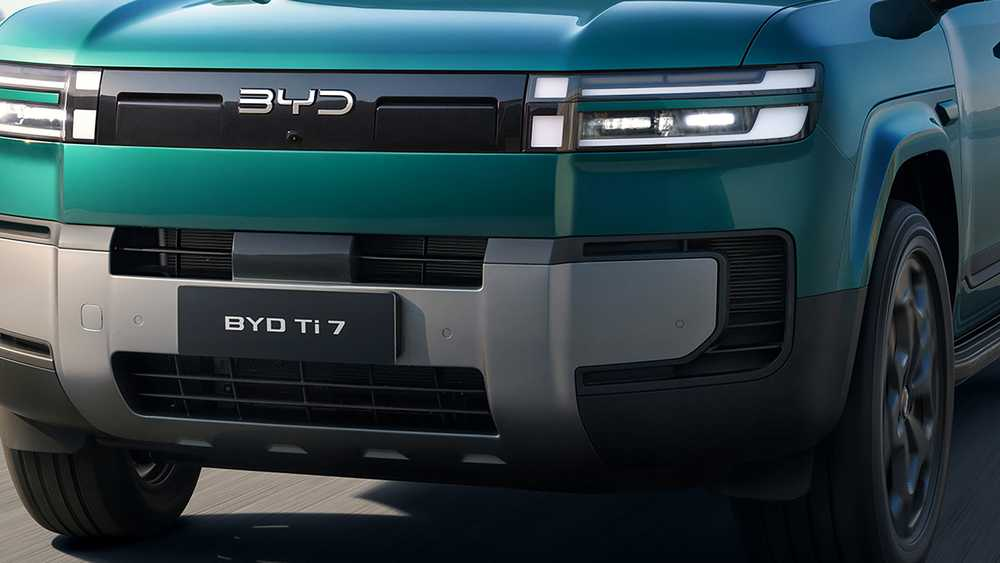
Chinese automakers are exploring ways to establish vehicle production in Canada as steep U.S. import tariffs and restrictions on connected-car technology continue to limit their access to the American market. Chery, BYD and Geely are among the companies pursuing opportunities in Canada, potentially expanding their North American manufacturing presence.
Several Chinese automakers are already preparing for a broader regional expansion. GAC Group is scheduled to open a factory in Mexico by the end of the year, while BYD and Geely are also looking to establish operations there. Chery, meanwhile, plans to begin selling vehicles in Canada in 2027 and is exploring opportunities to manufacture them locally.
Chery Explores Canadian Vehicle Production
Chery’s plans extend beyond importing vehicles into Canada. The company is interested in acquiring inactive manufacturing facilities to produce vehicles locally, while joint ventures are also being considered.
Executive Vice-President Guibing Zhang outlined the company’s interest during an interview at Chery’s headquarters. If the plans move forward, Chery would become the first Chinese car brand to establish a manufacturing site in Canada.
The possibility could raise concerns among U.S. policymakers. Canada has already been viewed as a potential entry point for Chinese automakers seeking to expand into the United States, where tariffs and restrictions continue to limit their access.
BYD and Geely Also Target the Canadian Market
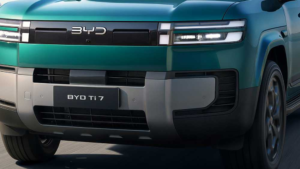
Chery is not the only Chinese automaker considering a larger presence in Canada. BYD is exploring the possibility of establishing a local factory, while its first imported vehicles are expected to reach Canadian customers in early 2027.
Geely is also preparing to enter the Canadian market sometime next year. The companies’ plans reflect growing interest in Canada as a destination for Chinese vehicles and a potential location for future manufacturing operations.
Canada’s Chinese EV Import Deal Could Shape Expansion Plans
Canada is allowing 49,000 Chinese electric vehicles and hybrids to enter the country under a deal that sets the tariff rate at 6.1%. The import quota will increase annually until it reaches 70,000 vehicles per year in 2030.
Establishing manufacturing facilities in Canada could give companies such as BYD and Chery an alternative to relying entirely on imported vehicles covered by the quota. Local production could become an important part of their plans to expand in the country.
Chinese Automakers Look Beyond U.S. Market Restrictions
With Chinese automakers facing steep import tariffs and restrictions on connected-vehicle technology in the United States, Canada and Mexico are emerging as potential locations for their North American expansion efforts.
Chery’s interest in Canadian manufacturing, alongside plans from BYD and Geely, signals that the companies are considering local production as well as vehicle imports. Any expansion of Canadian manufacturing could draw further attention from U.S. policymakers concerned about Chinese automakers’ potential access to the American market.