Audi plans to invest $4 billion in a new assembly and manufacturing plant in Georgia, marking a major step toward expanding its production in the United States. President Donald Trump announced the plan in Macon, Central Georgia, where the facility is expected to produce 200,000 SUVs annually and create thousands of American jobs.
Audi Plans Its First U.S. Assembly Plant
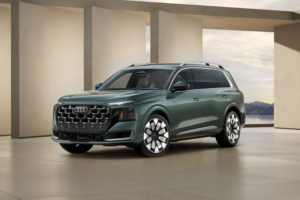
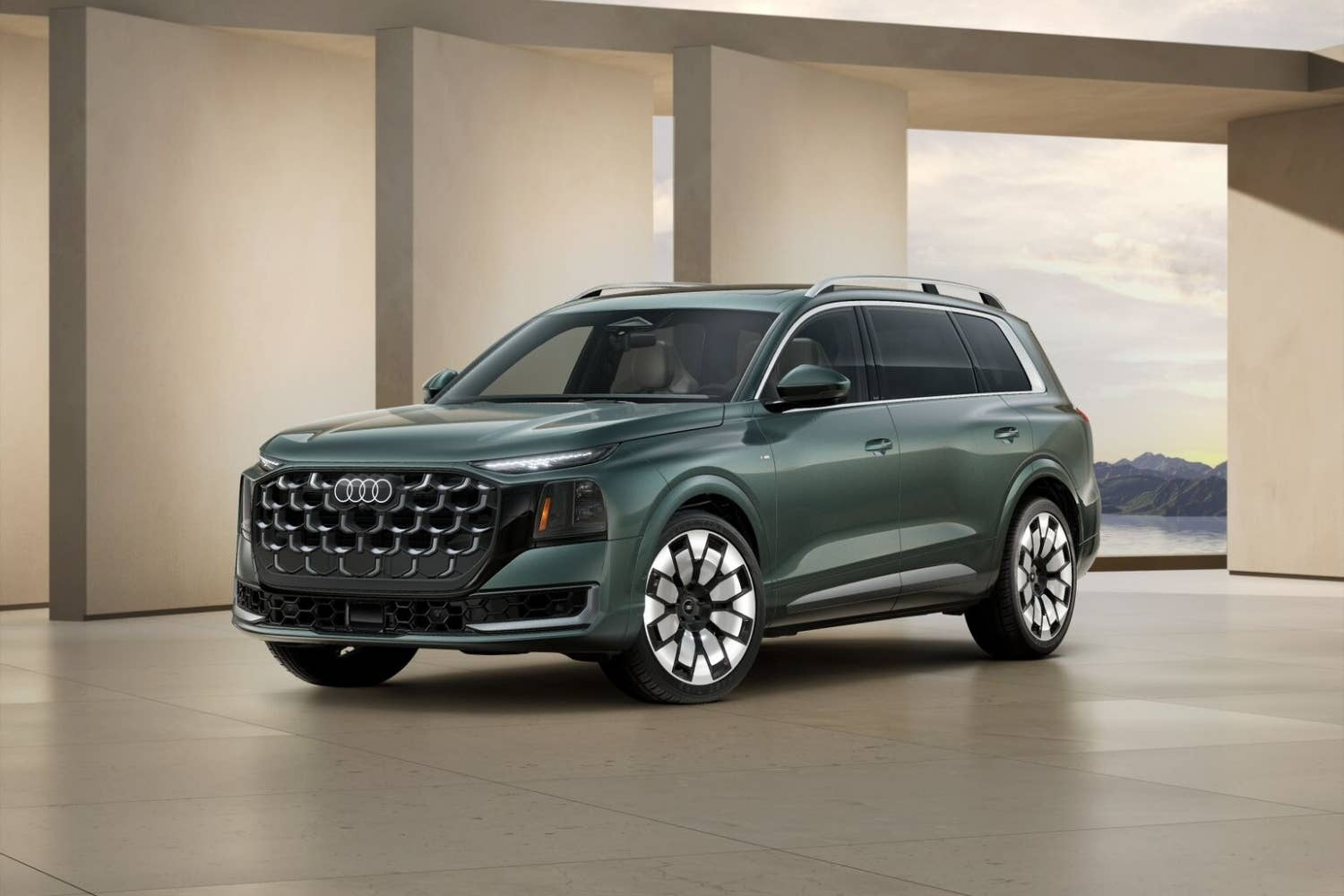
The proposed Georgia facility would mark Audi’s first assembly plant in the United States. The German automaker plans to manufacture its largest and most premium SUVs at the site.
Audi CEO Gernot Doellner said the new plant reflects the company’s commitment to the American market, which Audi continues to believe in.
Audi expects the facility to create 4,500 jobs. Construction is scheduled to begin next year, with production expected to start in the early 2030s.
The Georgia plant will produce three SUV models: the Audi Q7, Q8 and Q9. The facility is expected to have an annual production capacity of 200,000 SUVs.
Volkswagen Subsidiary Plans South Carolina Investment
Audi’s planned Georgia investment comes alongside a separate manufacturing project involving Scout, another Volkswagen subsidiary.
The Scout facility in South Carolina is expected to cost $2 billion and has plans to produce 25,000 vehicles annually.
Tariffs Have Cost Audi $1.4 Billion
The investment announcement comes as automakers continue to navigate higher U.S. tariffs on foreign vehicles. President Donald Trump’s tariffs cost Audi $1.4 billion last year, as the company imports most of the vehicles it sells in the United States from Mexico or Europe.
Audi has also faced declining sales. Its sales fell 7% in the first half of this year, while its 2026 sales are already down 16%.
The Trump administration increased tariffs on foreign automakers in an effort to encourage manufacturers to build more vehicles in the United States and remain competitive in the American market.
Tariffs Linked to Audi’s Georgia Investment
U.S. Sen. Bernie Moreno, an Ohio Republican, said Audi’s major investment in Georgia would not have happened without tariffs or the elimination of California’s ability to regulate fuel economy standards.
Audi’s proposed $4 billion plant would expand the company’s U.S. manufacturing presence, with production planned for its Q7, Q8 and Q9 SUVs and 4,500 new jobs expected as the project moves toward construction and production.