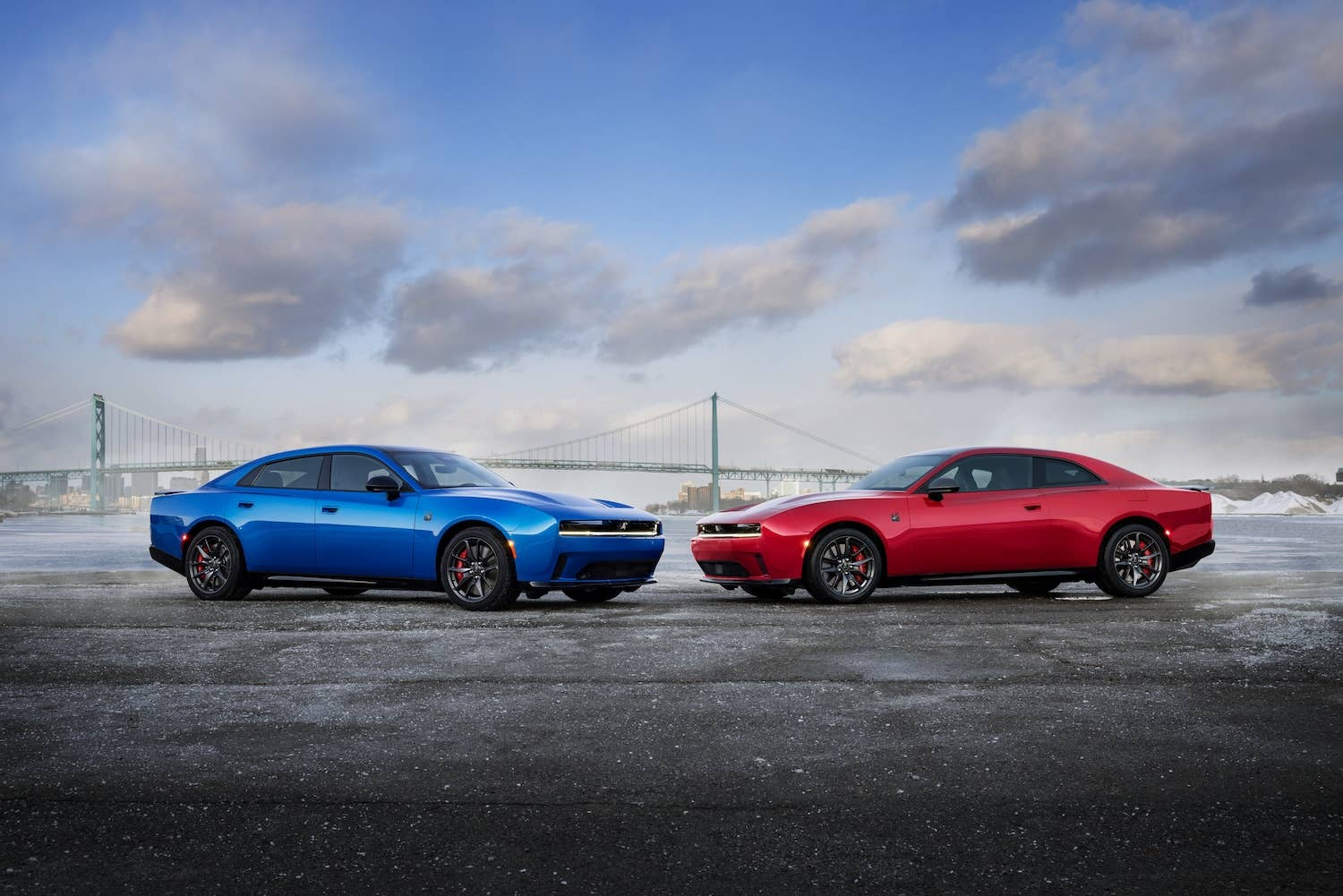
The 2026 Dodge Charger Daytona EV is struggling to compete with its gas-powered sibling, with the Hurricane-powered Charger outselling it by nearly 15 to 1. The gap extends beyond sales, as leasing the electric muscle car costs significantly more than leasing the gas-powered version, despite a relatively small difference in starting prices.
For shoppers considering the electric Charger, the current lease offers present another challenge. Higher monthly payments, limited lease incentives and a weaker projected resale value make the Daytona considerably more expensive to lease than the traditional Charger Scat Pack.
2026 Dodge Charger Daytona EV Lease Costs Nearly Twice as Much
The 2026 Dodge Charger Daytona Scat Pack starts at $60,690. However, the actual cost of leasing the electric model goes well beyond its starting price. The estimated lease payment is $1,312 per month for 36 months, with $6,269 due at signing.
When the upfront payment is spread across the lease term, the effective monthly cost reaches approximately $1,486 before taxes and fees.
The gas-powered alternative offers a substantially lower payment. The two-door 2026 Dodge Charger Scat Pack equipped with the Hurricane engine starts at $55,690. Its estimated lease payment is $573 per month for 36 months, with $5,769 due at signing, bringing the effective monthly cost to approximately $733.
The difference is striking. Although the Daytona EV carries an MSRP that is about 9% higher than the gas-powered model, its effective monthly lease cost is approximately 103% higher.
That means leasing the electric Charger can cost nearly as much as leasing two gas-powered Charger models over the same period.
Limited Lease Incentives Add to the Daytona’s Cost
The electric Charger’s lease costs are further complicated by the lack of meaningful lease cash incentives. The Daytona does not receive substantial lease cash offers, while competing electric vehicles are receiving discounts designed to make them more attractive to shoppers.
Without comparable incentives, the Daytona has fewer opportunities to narrow the financial gap between itself and the gas-powered Charger. The result is a more expensive leasing proposition for buyers interested in the electric model.
Poor Residual Value Makes Leasing the EV More Expensive
The Daytona’s high monthly payments are not driven by its starting price alone. A dealer leasing bulletin from September projects that the electric Charger will retain just 40% of its value after three years, a figure that significantly affects the economics of leasing.
The projected money factor is equivalent to a 12.5% interest rate for the electric model. By comparison, the gas-powered Charger is expected to retain 67% of its value over the same period and carries a substantially lower lease rate of 5.4%.
These figures matter because lease payments are heavily influenced by depreciation and financing costs. A vehicle expected to lose more of its value during the lease term generally costs more to lease, placing additional pressure on a customer’s monthly budget.
The difference between the two Charger models is especially significant. The Daytona’s projected residual value is considerably lower than that of its gas-powered counterpart, while its financing rate is also much higher.
Earlier Dodge Charger Daytona Lease Deals Are Gone
The Daytona previously offered more accessible lease options, including the entry-level R/T, which had a monthly payment of approximately $688. That trim is no longer available for the 2026 model year.
With the entry-level version gone and federal EV tax credits no longer available, Stellantis has fewer reasons to make the electric Charger’s lease offers more attractive.
For now, the numbers favor the gas-powered 2026 Dodge Charger Scat Pack. Its lower monthly payments, stronger projected residual value and more favorable lease rate create a substantial cost advantage over the Daytona EV.