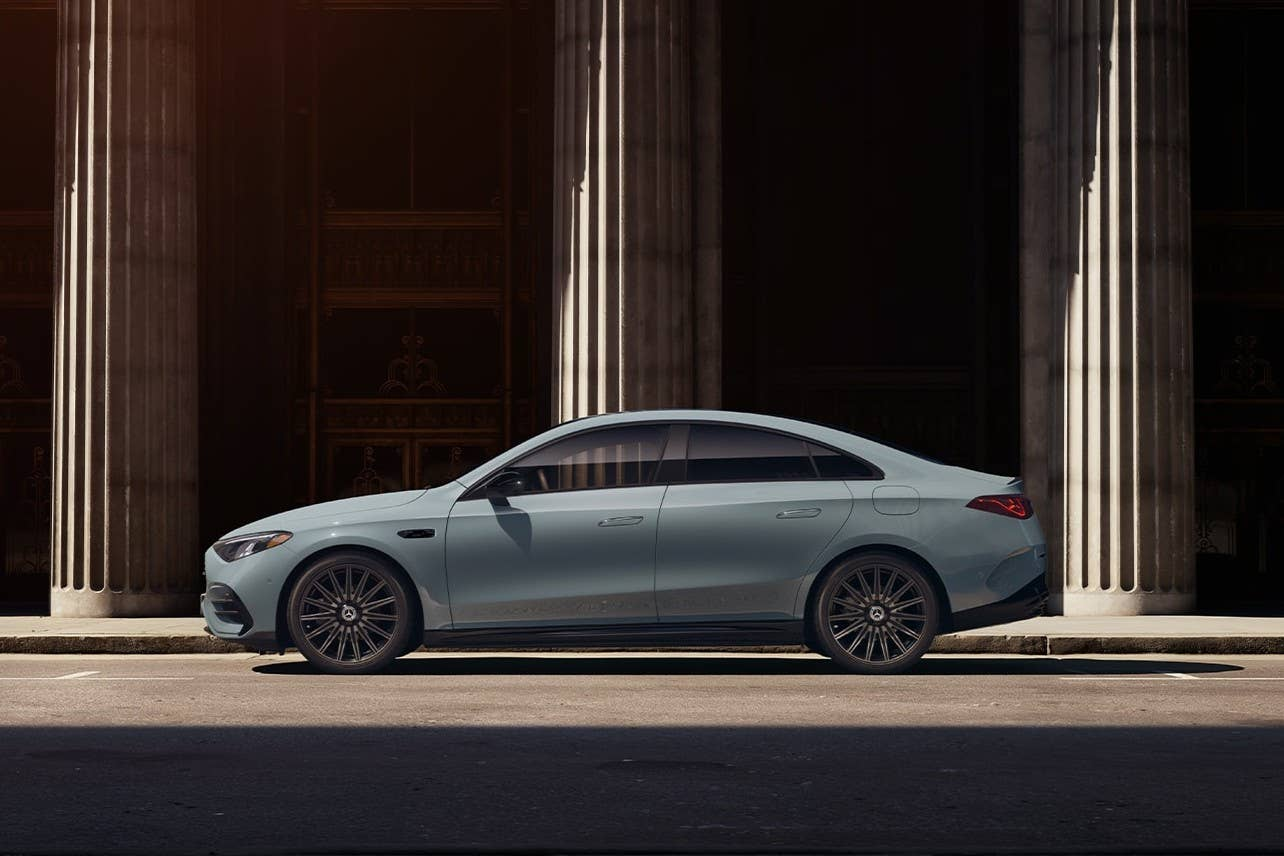
Mercedes-Benz is preparing a broader strategy update for 2030 as it struggles to maintain its position in China, where sales have fallen sharply amid intensifying competition. The automaker plans to provide a detailed review of its China business next year while reshaping its operations in the world’s largest car market and pursuing growth in the United States.
Mercedes-Benz Sales Fall Sharply in China
Mercedes-Benz CEO Ola Källenius has described China as an “indispensable market and innovation hub,” despite mounting pressure on the company’s business in the country.
Mercedes-Benz Cars sales fell 8% in the third quarter to 407,232 vehicles, with deliveries in China dropping 31% to 86,800.
Other major markets recorded growth during the same period. Sales increased 5% in Europe, 13% in Germany and 6% in the United States. Battery-electric vehicle sales also reached a record, rising 61%.
The company’s financial performance weakened alongside its sales figures. Adjusted return on sales for the car division declined to 2.5% from 4.8%, while Mercedes-Benz lowered its full-year guidance to 2% to 3%, down from its previous forecast of 3% to 5%.
Chief Financial Officer Harald Wilhelm described the fourth quarter as “a break-even quarter,” highlighting the financial pressure facing the automaker.
Mercedes-Benz Plans Greater Local Sourcing in China
As part of its China strategy, Mercedes-Benz plans to significantly expand local sourcing for vehicles produced in the country.
Beginning with the electric E-Class in the second half of 2027, Källenius said the company will source “almost everything” in China for vehicles built for Chinese customers.
At the same time, Wilhelm wants Mercedes-Benz to become less dependent on China as a source of profits.
The approach reflects a strategy of maintaining a presence in China’s automotive market while relying more heavily on local suppliers and reducing exposure to the country’s intense price competition.
Mercedes-Benz has already faced pressure from tariffs and China’s rapidly expanding electric vehicle market, adding to the challenges confronting German automakers.
What Mercedes-Benz’s China Strategy Means for U.S. Drivers
The planned sourcing changes apply to vehicles built for the Chinese market, and there is no indication that they will alter the vehicles sold in the United States.
Mercedes-Benz is also looking to expand its U.S. business. Sales in the country increased 6% in the third quarter, and Källenius has outlined plans for further American investment.
The automaker sees potential to increase annual U.S. sales from more than 300,000 vehicles toward 400,000.
Mercedes-Benz is pursuing higher sales volumes after years of declining deliveries, while other German automakers are also expanding their U.S. operations. Audi has announced a $4 billion U.S. assembly plant expected to create around 4,500 jobs.
For American buyers, Mercedes-Benz’s push for greater volume could bring more attention to the market and potentially more incentives. However, the company has not promised any specific changes to pricing or customer offers.
Mercedes-Benz Resumes Voluntary Severance Program in Germany
Mercedes-Benz is also preparing additional cost-cutting measures at home. The company plans to relaunch a voluntary severance program for indirect staff in Germany beginning in December.
Mercedes-Benz booked approximately €1.8 billion, or about $2 billion, in provisions for its previous severance round in 2025. Most of the earnings impact from the new program is expected in 2027.
Källenius said future investment in Germany will depend on productivity improvements and lower costs. He noted that labor costs in the United States are roughly 80% of those in Germany.
Mercedes-Benz’s upcoming 2030 strategy update is expected to address its challenges in China, its plans for U.S. growth and its efforts to improve costs and competitiveness across its global operations.