BMW has sharply reduced its 2026 automotive profit forecast, lowering its expected EBIT margin to between -0.5% and +0.5% as the company prepares to retire selected electric vehicle models based on its Gen5 battery technology earlier than originally planned. The revised outlook reflects costs associated with accelerating its vehicle portfolio transition and organizational restructuring, despite solid operating performance in the third quarter.
BMW Slashes Its 2026 Automotive Profit Forecast
BMW now expects its Automotive EBIT margin for 2026 to range from -0.5% to +0.5%, a significant reduction from its previous forecast of 1% to 3%, which was announced as recently as June. The revised outlook means the company’s automotive division could record a small operating loss.
The automaker also lowered its expected return on capital employed in the Automotive segment to between -1% and +1%, compared with its earlier forecast of 1% to 5%.
The latest reduction follows an earlier downgrade. Before June, BMW had projected an Automotive EBIT margin of 4% to 6%, but lowered that target because of weaker market conditions in China and higher energy costs associated with the conflict in the Middle East.
This time, BMW said its operating business performed solidly during the third quarter. Instead, the latest adjustment is primarily linked to a non-operating charge expected in the fourth quarter.
Excluding expenses related to portfolio and structural measures, BMW continues to expect an Automotive EBIT margin above 2%. The company also maintained its Automotive free cash flow target of more than €2.5 billion.
Why BMW Is Retiring Gen5 Electric Vehicles Ahead of Schedule
One of the main factors behind the expected charge is BMW’s decision to accelerate the transition away from selected older vehicle and technology generations, including models using its Gen5 battery technology.
The move comes as demand for vehicles built on the Neue Klasse platform remains high. BMW has already introduced additional production shifts earlier than planned to respond to demand, allowing the company to accelerate the production ramp-up of its newer models.
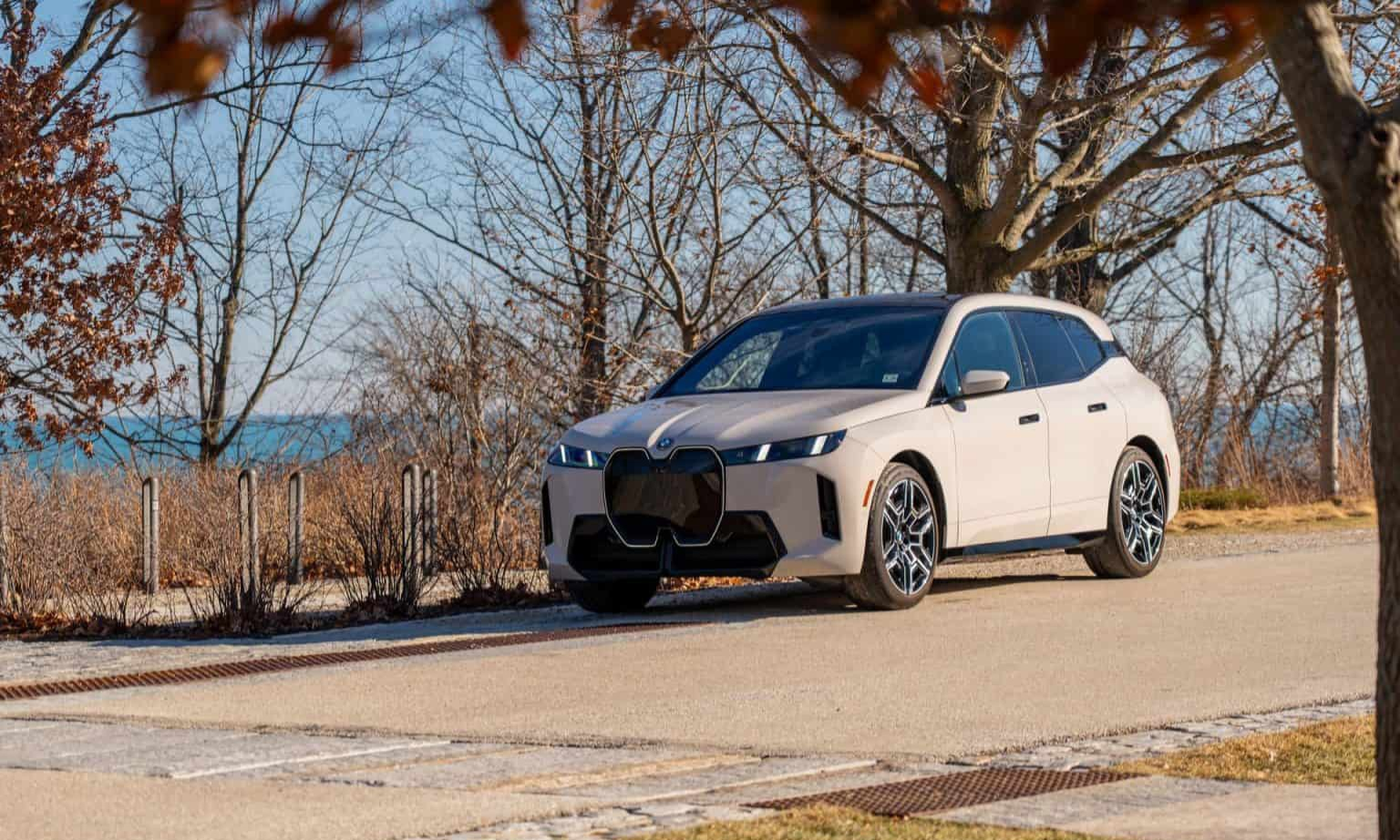
BMW has not identified which Gen5-based vehicles will be discontinued early. However, Gen5 battery technology is used in the i5, i7 and current iX models.
The iX and i4 are also expected to leave the U.S. market as the Neue Klasse iX3 arrives, according to an earlier report published in April. BMW’s Plant Debrecen in Hungary added a second production shift for the iX3 in February and assembled its 50,000th example in July.
BMW expects the Gen6 technology used in Neue Klasse vehicles to improve profitability over the coming years. The company attributes those expected improvements to technological innovation and greater cost efficiency.
BMW Revises Several Other 2026 Business Targets
Alongside its reduced profitability forecast, BMW adjusted several additional expectations for 2026, including vehicle deliveries, electric vehicle sales and emissions.
- Automotive deliveries: Expected to decrease moderately compared with 2025, replacing the previous forecast of a slight decrease.
- Fully electric vehicles: Their share of total Automotive deliveries is now expected to increase slightly, compared with the previous expectation of no change.
- Scope 3 CO2e emissions: Emissions from the supply chain and use phase are now expected to decrease slightly, rather than remain flat.
- BMW Motorrad deliveries: Expected to decrease slightly, replacing the previous forecast of no change.
The revised delivery outlook indicates that BMW expects fewer overall vehicle deliveries than it anticipated in June, while the proportion of fully electric vehicles is projected to increase.
BMW Accelerates Management Cuts and Restructuring
The structural portion of BMW’s expected fourth-quarter charge is connected to its workforce and organizational restructuring program.
The company plans to expand and accelerate its organizational and process overhaul, with reductions in management functions now scheduled to happen faster than initially announced. BMW did not provide updated figures for the changes.
The restructuring agreement reached with the company’s works council in July covers approximately 8,000 jobs worldwide. Most of the affected positions are office-based roles in Germany, with reductions planned through voluntary departures and natural employee turnover.
The program is scheduled to run from October 2026 through the end of 2027.
BMW’s Q3 Report Is Due November 4
BMW is scheduled to publish its third-quarter report on November 4, providing further details about the company’s financial performance and its revised 2026 outlook.
The report is expected to offer a clearer picture of the fourth-quarter charge associated with the accelerated retirement of selected Gen5 vehicles and the company’s restructuring measures, as BMW continues its transition toward the Neue Klasse generation.