Honda is facing a new California lemon law lawsuit over allegations that its Collision Mitigation Braking System (CMBS) unexpectedly applies the brakes when drivers say no collision is imminent. Unlike an earlier eight-year class-action case involving thousands of vehicles, the latest dispute focuses on two cars owned by one couple and whether Honda failed to address repeatedly reported problems.
Honda Lawsuit Centers on Two Vehicles
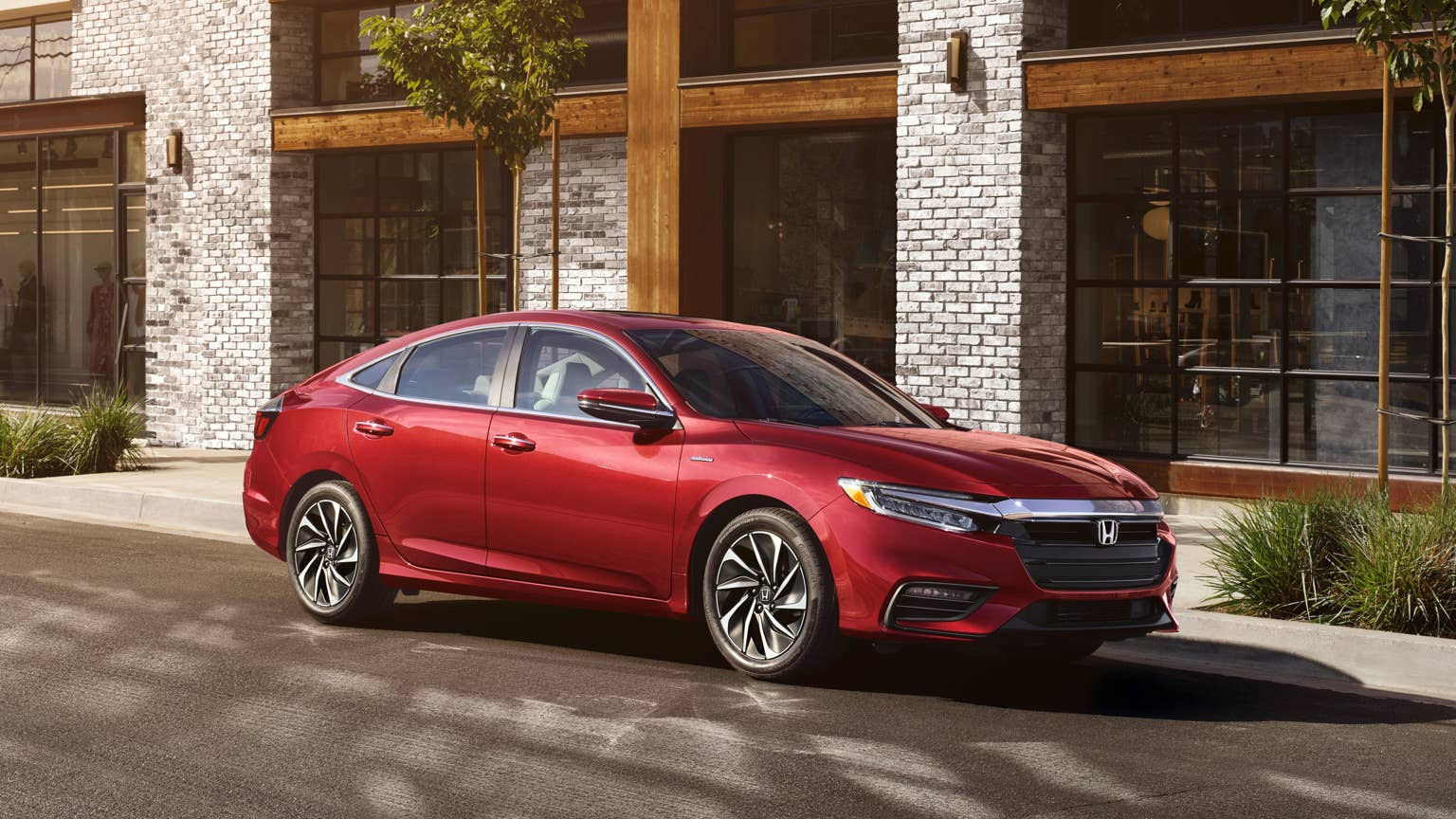
Eduardo and Celia Espinosa allege that the CMBS in their 2020 Honda CR-V and 2021 Honda Insight repeatedly activated the brakes at unexpected moments. They also claim that dealerships dismissed their concerns despite multiple visits.
The couple’s attorney accuses Honda, specifically the distributor that sold them the vehicles, of violating California’s Song-Beverly Consumer Warranty Act. The lawsuit alleges that Honda refused to replace the vehicles or issue refunds despite complaints about the braking system.
The attorney also argues that Honda failed to establish an internal process for handling these complaints, which would constitute another violation of California’s lemon law.
Honda Challenges the Couple’s Claims
Honda’s defense points to the couple’s driving history, arguing that both Eduardo and Celia Espinosa accumulated more than 100,000 miles on their respective vehicles within six years.
The defense also notes that the couple continued driving the cars after filing the lawsuit and purchased the CR-V at the end of its lease despite knowing it was a “lemon.”
The Espinosas, however, maintain that they were unaware their vehicles were equipped with the automated braking technology and did not understand how the system operated.
Earlier Honda Class Action Ended in Jury Victory
The new California case follows an eight-year class-action lawsuit involving allegations that Honda’s Collision Mitigation Braking System was defective across a wider group of vehicles.
That case covered 2017 to 2019 CR-V models and 2018 to 2020 Accords. A jury sided with Honda earlier this year, bringing the class-action dispute to a conclusion.
The latest lawsuit takes a different legal approach by focusing on two individual vehicles and whether Honda fulfilled its obligations under California’s consumer warranty law.
Automatic Emergency Braking Faces Driver Concerns
Automatic emergency braking technology is designed to prevent collisions, and research has found that it reduces rear-end crashes by about half.
However, Honda’s system has also faced regulatory scrutiny. Federal safety officials opened an investigation following 278 complaints about the technology before expanding the probe to nearly 3 million vehicles.
The investigation involved 47 crashes and 93 injuries that were potentially linked to the system.
Driver concerns extend beyond Honda. A survey found that 17 percent of drivers had disabled automatic braking, with a lack of trust among the reasons for switching off the technology.
The allegations highlight a central concern surrounding automatic emergency braking: a system designed to prevent rear-end collisions may create unexpected hazards if it applies the brakes when drivers do not anticipate an obstacle or imminent crash.