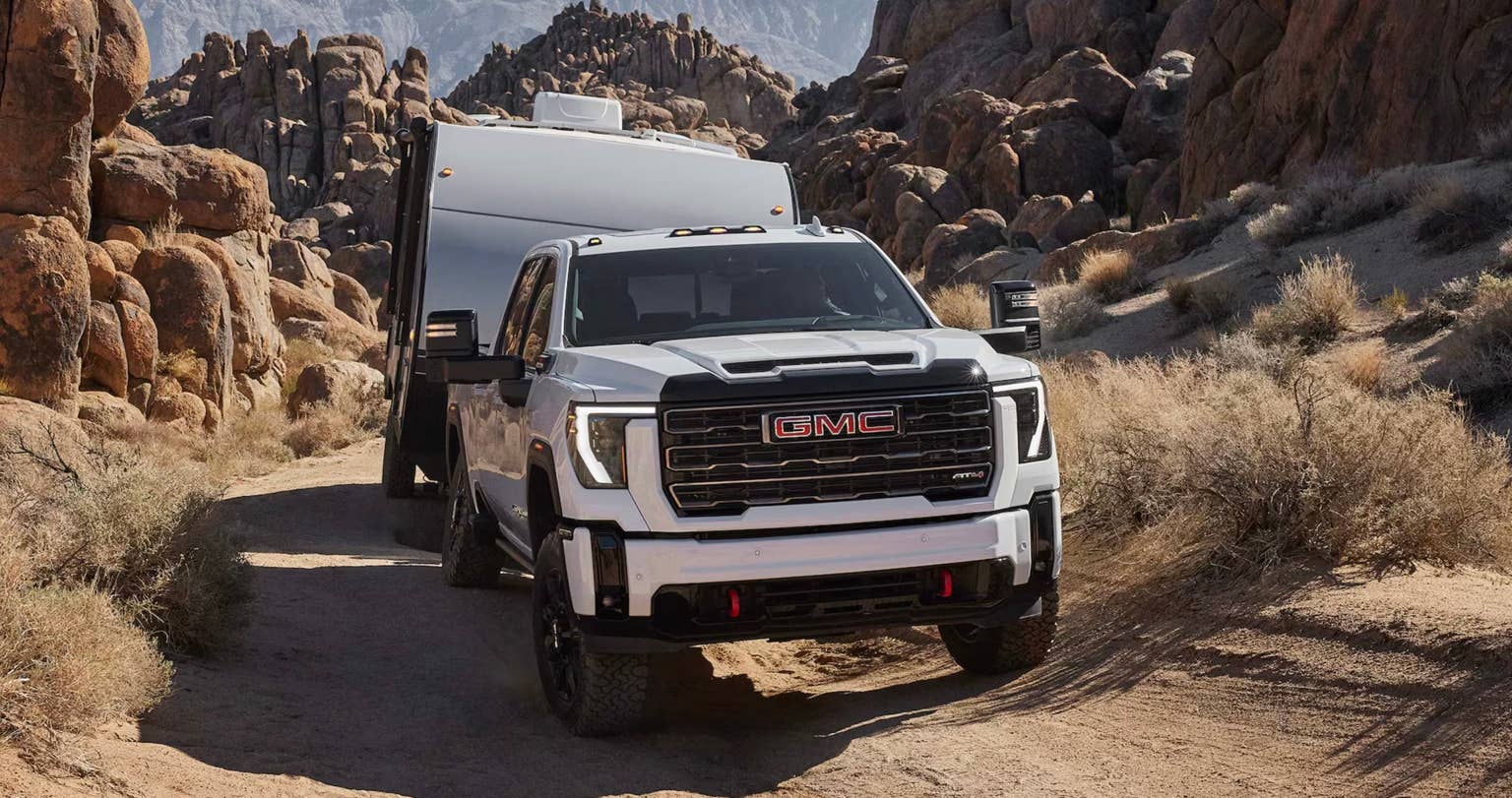
General Motors is preparing to accelerate vehicle development by reducing its traditional four-to-five-year production cycle to just two years. The automaker is already using advanced digital engineering technology to speed up the upcoming redesigns of the Chevrolet Silverado and GMC Sierra while responding to growing competition from Chinese automakers and changing consumer demands.
The strategy relies on advanced software that converts vehicle concepts into manufacturing-ready data, allowing engineers to bypass traditional development bottlenecks and spend more time refining complex vehicle systems.
GM Uses Digital Engineering to Speed Up Truck Development
General Motors is introducing virtual tools that allow engineers to move vehicle designs directly into production processes. Mark Dickens, GM’s executive chief engineer of full-size trucks, explained that the technology enables the team to “go straight into production tools on a lot of our parts.”
Rather than spending months translating initial sketches into detailed designs, engineers can dedicate more time to improving complicated subsystems and ensuring that different components work together seamlessly.
The technology is already being applied to the development of the Chevrolet Silverado and GMC Sierra, two important full-size pickup models for the automaker.
GM Tests More Than 300,000 Battery Designs Virtually
GM’s digital engineering strategy extends beyond vehicle design. The company’s chief product officer, Sterling Anderson, revealed that new software platforms enabled engineers to evaluate more than 300,000 different lithium battery designs before building a physical prototype.
The digital process also allowed the automaker to move from the initial concept to program approval in just one month.
Starting production tooling earlier in development reduces physical guesswork and allows engineers to focus on testing, calibration and detailed improvements.
Glenn Babiak, chief engineer for GM’s heavy-duty pickups, explained how this approach changes the engineering workload.
“We would have already comprehended it, and now we can focus purely on learning, exposure, calibrating and working on those finer details where product exposure in the field matters,” Babiak stated.
Why GM Is Prioritizing the Silverado and Sierra
Applying the new technology to the Chevrolet Silverado and GMC Sierra is a strategic decision because these light-duty pickups are central to GM’s North American profits.
The move comes as automakers face changing consumer preferences, high fuel prices and increasing competition. Despite these challenges and impending redesigns, Chevrolet Silverado sales recently increased 13 percent.
As pickup trucks become more technologically advanced, the ability to develop new features and respond quickly to market demands is becoming increasingly important for maintaining competitiveness.
GM’s Digital Technology Supports Engineering Teams
The growing use of digital tools has raised concerns about the potential impact of automation on automotive industry jobs. However, GM’s strategy focuses on reducing time-consuming preliminary tasks rather than replacing engineers.
By completing more design and manufacturing preparation digitally, the company aims to give engineering teams additional time to concentrate on system integration, testing and fine-tuning vehicle components.
GM’s goal of cutting vehicle development time from four to five years to just two years represents a significant shift in its manufacturing strategy, with the Chevrolet Silverado and GMC Sierra at the center of this transformation.