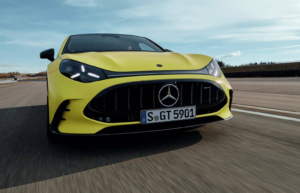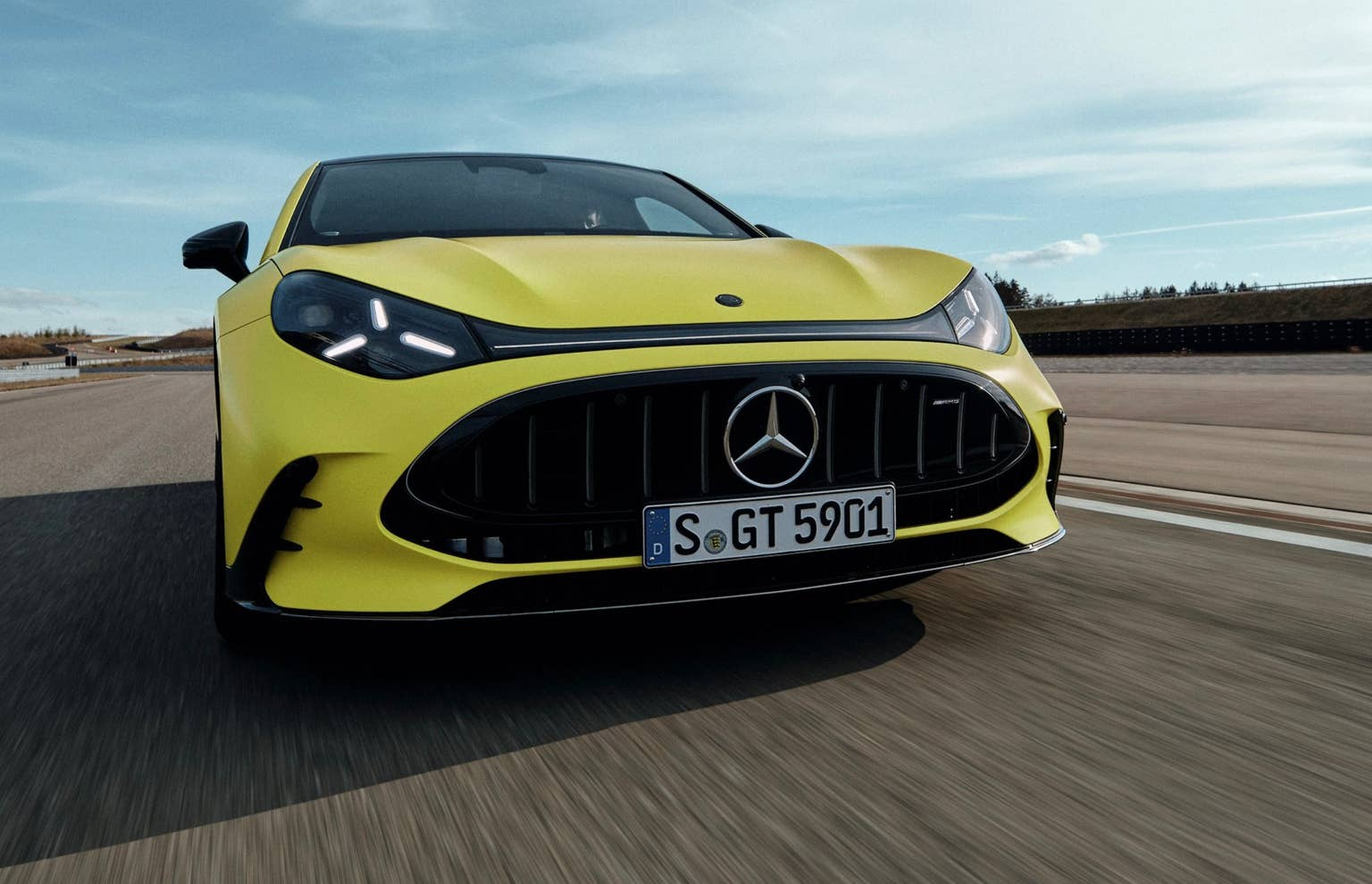
The new Mercedes-AMG GT 4-Door electric car brings the sounds and sensations of a traditional combustion-powered performance car into the electric era. To recreate the experience, the automaker developed an advanced audio system using more than 1,600 individual sound files, reproducing engine revs, gear changes, pops and bangs.
Artificial engine sounds have become increasingly common among automakers. Stricter exterior noise regulations and improved sound insulation have made modern vehicles quieter, prompting manufacturers to use speakers to bring engine sounds back into the cabin, particularly in performance cars.
The approach has become even more relevant with electric performance vehicles. While some drivers appreciate the combination of speed and silence, others prefer the sounds and sensations traditionally associated with combustion engines.
How Mercedes-AMG Recreated the V8 Sound
Mercedes-AMG developed the simulated V8 soundtrack for the electric GT 4-Door using more than 1,600 audio files to accurately reproduce the character of its traditional eight-cylinder engine.
The recordings came from the AMG GT R, but creating the soundtrack involved considerably more than recording the engine and playing it through the electric car’s speakers.
Each recording was divided into smaller sections and looped to reproduce the precise sounds a V8 engine makes at different RPM levels. The development process also included recordings of upshifts and downshifts, which underwent the same editing and looping treatment.
The soundtrack also incorporates pops and bangs to create a more immersive driving experience. Although the electric GT 4-Door does not produce actual flames from its rear end, the artificial sounds are designed to recreate some of the sensations associated with aggressive combustion-powered driving.
GT63 and GT55 Get V8 Sounds, While GT53 Uses Six-Cylinder Audio
The simulated V8 soundtrack is available in the GT63 and GT55 versions of the electric GT 4-Door. However, the GT53 also receives its own specially developed engine soundtrack.
Instead of eight-cylinder sounds, the entry-level GT53 plays simulated six-cylinder engine audio through its speakers. The specific vehicle used to record these sounds was not identified.
Possible candidates include the E53 e-Performance and other AMG models equipped with the 3.0-liter twin-turbo inline-six engine.
Simulated Gear Changes and Engine Vibrations
Mercedes-AMG’s efforts extend beyond reproducing engine sounds. The electric GT 4-Door also features several systems designed to make the driving experience feel closer to that of a traditional combustion-powered performance car.
The seats can vibrate to give drivers the sensation of engine movements, adding physical feedback to the artificial soundtrack. The automaker has also simulated the operation of a nine-speed automatic transmission.
The steering-wheel paddles serve multiple purposes. Besides controlling brake regeneration, they can simulate gear changes when the vehicle is switched into AMGFORCE Sport+ mode.
Standard Driving Modes Restore the Quiet Electric Experience
Drivers who prefer a quieter ride can return to the standard driving modes, switching away from the simulated engine sounds and transmission behavior.
In these settings, the GT 4-Door returns to its role as a quiet electric cruiser, without the artificial performance soundtrack.
With more than 1,600 audio files, simulated transmission shifts, vibrating seats and selectable driving modes, the Mercedes-AMG GT 4-Door combines electric performance with sounds and sensations inspired by traditional V8 and six-cylinder vehicles.