BMW has confirmed plans to introduce lithium-iron-phosphate (LFP) batteries across selected electric vehicles as it expands its Neue Klasse lineup, adding a lower-cost alternative to the nickel-manganese-cobalt (NMC) technology used in its latest models. CEO Milan Nedeljković said the two battery chemistries will coexist, with BMW choosing which technology to use based on each vehicle’s purpose, cost structure and driving range requirements.
BMW Will Offer Both NMC and LFP Battery Technologies
Speaking during BMW Group’s Q3 2026 earnings call, Nedeljković confirmed that LFP batteries are part of the company’s future electric vehicle strategy. However, he emphasized that BMW will not introduce the technology as a universal replacement for its existing NMC batteries.
The automaker is beginning its Neue Klasse rollout with NMC chemistry and cylindrical battery cells, which Nedeljković described as currently superior in the market.
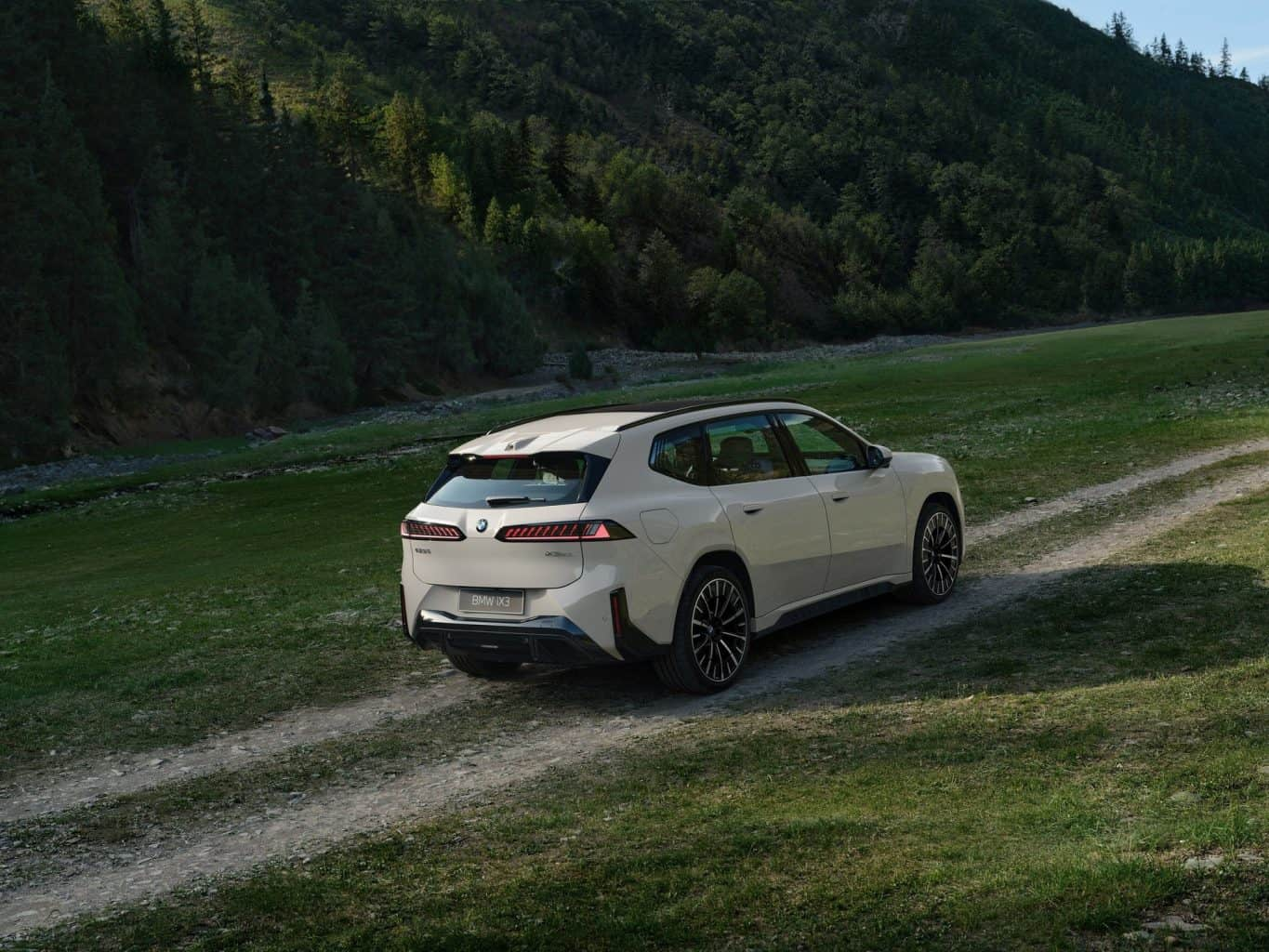
He pointed to the driving range delivered by the new BMW iX3 and i3, including their performance in China, as evidence supporting the company’s decision to start with this technology.
At the same time, BMW recognizes the different cost structure offered by LFP batteries. The CEO said the company intends to introduce the chemistry selectively, depending on the vehicle and its intended use.
“With Neue Klasse, we are starting with the NMC technology and the cylindric batteries, and this technology is now superior in the market. We see that our range we can offer with the iX3 and the i3 are deeply impressing also in China, and that is why we start on that level,” Nedeljković said.
“At the same time, and you are right, the LFP technology offers a different cost structure, but also different range. So we will add the LFP technology in our vehicles, but we will be very specific in which vehicle and for which purpose. And so it will come, but it will not be a generic exchange or a generic offer in all segments.”
His comments confirm that BMW plans to maintain both battery technologies rather than replace NMC packs throughout its electric vehicle range.
How NMC and LFP Batteries Differ
The decision to use both technologies reflects their different characteristics, particularly in energy density, manufacturing costs and driving range.
NMC batteries use nickel, manganese and cobalt in their cathodes. Their primary advantage is higher energy density, allowing manufacturers to store more energy in a smaller and lighter battery pack.
This makes NMC technology particularly important for larger and more expensive vehicles, where customers expect longer driving ranges.
LFP batteries use lithium iron phosphate in their cathodes and eliminate the need for nickel, cobalt and manganese. Their main advantage is lower manufacturing costs, with production generally around 20% cheaper than comparable NMC batteries.
LFP technology also offers several other benefits. These batteries tend to last longer, provide better resistance to thermal runaway and degrade more slowly over repeated charging cycles.
However, the chemistry comes with limitations. LFP batteries have lower energy density, requiring more space and weight to store the same amount of energy. They can also charge more slowly in cold weather.
These differences help explain why BMW intends to retain NMC technology for vehicles where maximum driving range and performance take priority over manufacturing costs.
China’s Entry-Level BMW iX3 30L Already Uses LFP Batteries
BMW has already introduced a practical example of its dual-chemistry strategy in China, where the entry-level iX3 30L uses an LFP battery instead of the NMC technology found in more expensive versions.
The China-exclusive BMW iX3 30L is equipped with a 77-kWh battery pack and has a claimed driving range of 630 kilometers (391 miles) under China’s CLTC testing cycle.
The entry-level electric SUV starts at RMB 269,900, equivalent to approximately $40,000 or €34,300.
By comparison, the more expensive BMW iX3 40L and 50L versions continue to use NMC battery technology.
The lineup demonstrates how BMW can offer different battery configurations within the same vehicle family, matching the technology to each version’s intended position.
Which Future BMW Models Will Get LFP Batteries?
Nedeljković did not identify the future BMW models that will receive LFP batteries or specify when versions equipped with the technology will become available outside China.
However, his comments establish that LFP technology will become part of the broader Neue Klasse strategy, alongside the NMC batteries already used in the new generation of electric vehicles.
BMW’s approach will allow the company to maintain higher-energy-density NMC batteries for models prioritizing range while introducing lower-cost LFP options for selected vehicles.
Rather than adopting one battery chemistry across every electric vehicle segment, BMW plans to use both technologies according to the specific requirements of each model.