BMW EV Strategy Expands With New Battery Supply Partnerships
BMW is expanding its electric vehicle (EV) strategy by strengthening its battery supply chain, establishing regional partnerships and investing in production facilities across Europe, Asia and North America. The company’s “local for local” approach aims to reduce transportation costs, improve supply security and help keep its next generation of electric vehicles competitively priced.
BMW Expands Its Electric Vehicle Strategy
BMW initially appeared cautious about electric vehicle development, avoiding the rush to introduce new models that characterized the early 2020s. However, the company was using that time to develop a new generation of EVs designed to remain relevant over the long term.
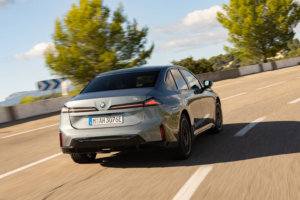
So far, the strategy has delivered encouraging results. The BMW iX3 received positive feedback in first-drive impressions, won World Car of the Year and has performed well in Europe.
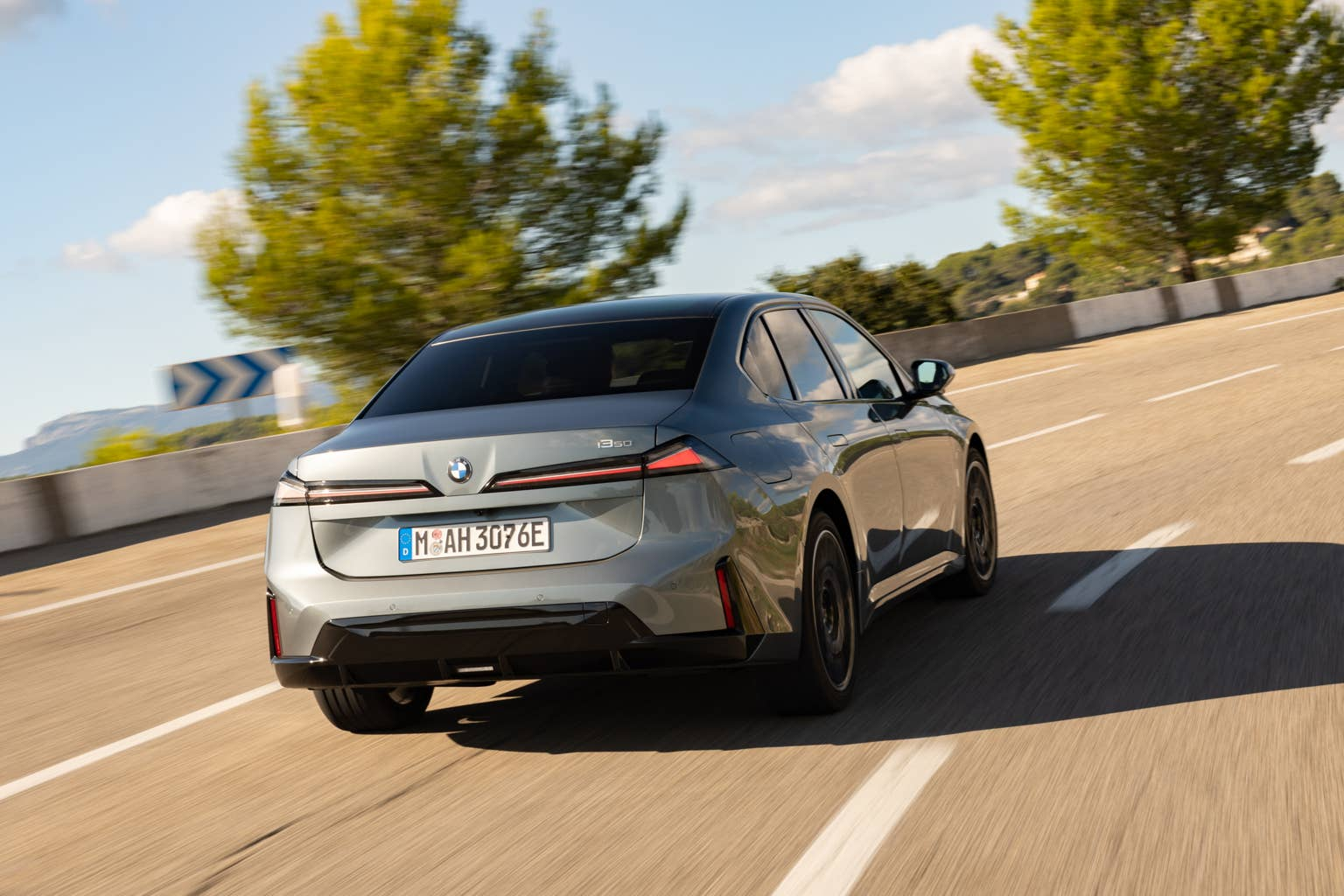
The BMW i3 has also shown promising demand, with a large number of reservations prompting the automaker to open its order books earlier than originally planned.
More BMW Electric Models Are on the Way
BMW plans to expand its electric vehicle lineup with several additional models, including the iX7, a facelifted i5 and the first-ever i1.
As production increases across its electric vehicle range, economies of scale should help lower manufacturing costs and make BMW’s EVs more competitively priced.
The automaker is also taking additional steps to control battery costs and strengthen the supply chain supporting its electric vehicles.
BMW Strengthens Battery Supply Partnerships
A central part of BMW’s strategy is the “local for local” principle, which focuses on establishing regional battery supply chains in Europe, Asia and North America.
The approach offers two main advantages. Producing batteries closer to vehicle assembly facilities reduces transportation distances and associated costs. It also improves supply security, helping limit the risk of production shortages if demand increases.
BMW has partnered with Samsung SDI in Europe and LG Energy Solution in the United States. Both companies will supply sixth-generation high-voltage batteries for BMW’s Neue Klasse models.
European-built models are expected to use battery packs manufactured by Samsung SDI, while SUVs built in the United States will receive batteries from LG Energy Solution.
Future models such as the BMW iX5 and iX7 are expected to use batteries supplied through these partnerships.
BMW’s Battery Production Facilities
BMW’s regional battery strategy includes several production and assembly facilities across North America, Europe and Asia.
North America
BMW announced plans in 2022 to build a battery plant in Woodruff, which is expected to open by the end of the year. The facility will support the company’s local battery production strategy.
The initiative will also include the San Luis Potosi plant in Mexico, expanding the regional production network in North America.
Europe
In Europe, facilities in Irlbach-Strasskirchen in Lower Bavaria and Debrecen, Hungary, will serve as major battery assembly hubs.
The Debrecen facility is AI-powered and run, forming part of BMW’s broader battery production network.
Asia
In Asia, BMW’s Shenyang plant in China will play a role in the regional battery production strategy.
Keeping Electric Vehicle Costs Competitive
Automakers are accelerating efforts to introduce new electric and electrified vehicles while facing the challenge of keeping production costs under control.
Established manufacturers are also facing competition from Chinese automakers entering key markets. Keeping costs lower could help traditional automakers maintain their competitiveness and remain relevant.
Through regional battery production, stronger supplier partnerships and expanded manufacturing capabilities, BMW is working to support its next generation of electric vehicles while improving supply security and controlling costs.