Stellantis has confirmed plans to sell its Brampton assembly plant in Ontario to a Canadian manufacturer, abandoning its original plan to use the facility for Jeep production. The buyer has not been named in the automaker’s official announcement, although the company is identified as Roshel, a Canadian armored-vehicle manufacturer.
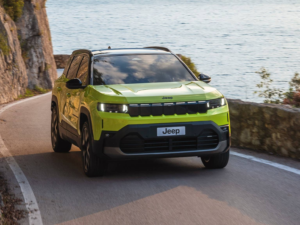
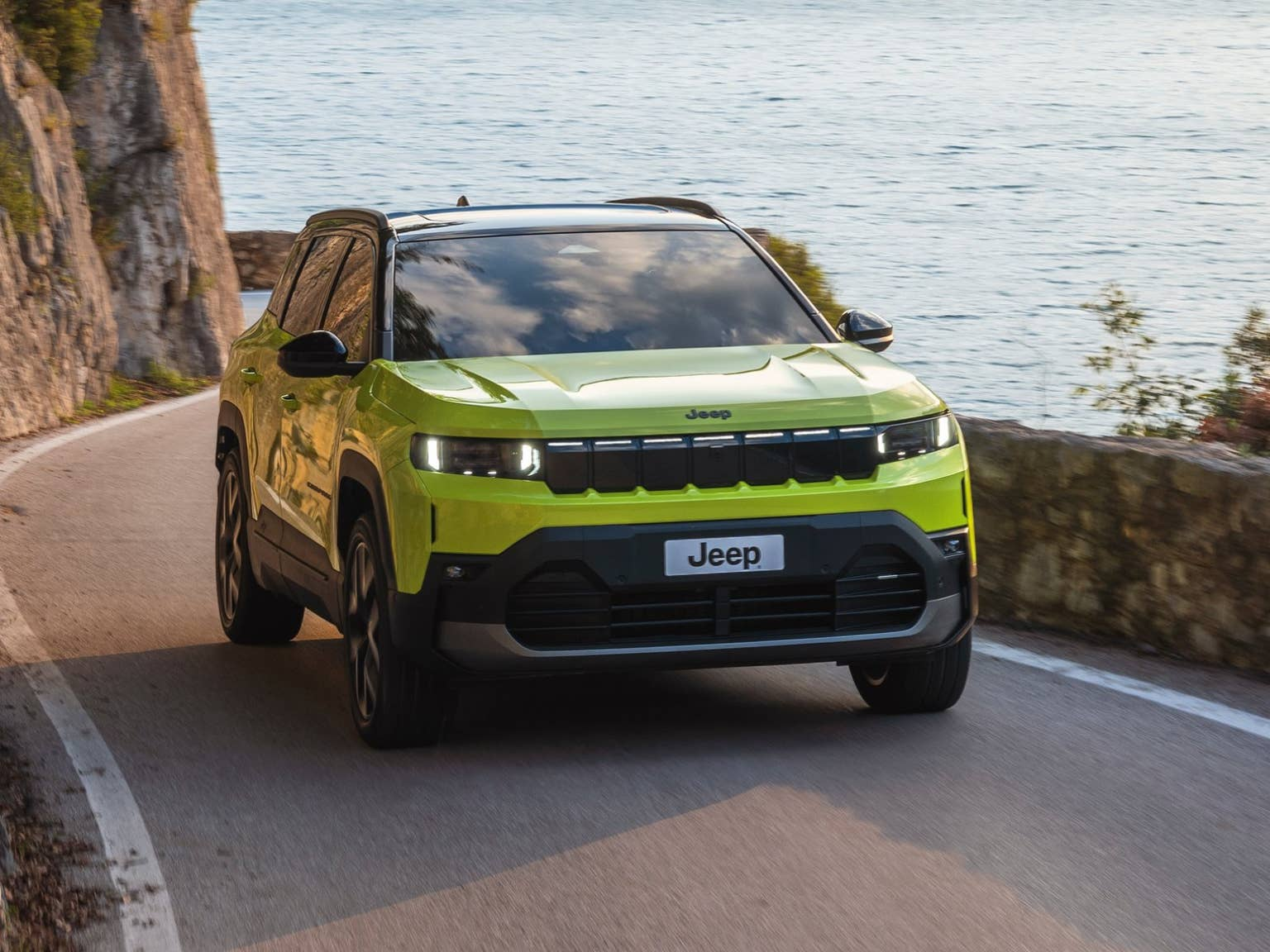
The decision marks a major shift for a factory that was supposed to produce the next-generation Jeep Compass. The proposed sale also comes amid an ongoing dispute between Stellantis and the Canadian government over production commitments, public funding and the future of automotive manufacturing in the country.
Why Stellantis Changed Its Plans for the Brampton Plant
Stellantis idled its Brampton facility in December 2023 to prepare it for production of the next Jeep Compass. More than 2,200 workers have remained on layoff since the plant was shut down.
In October 2025, Stellantis announced that Jeep production would move to Illinois as part of a $13 billion commitment to U.S. manufacturing. The announcement prompted a response from the Canadian government, which threatened legal action before issuing a notice of default in December 2025.
The latest decision to sell the facility represents another departure from the original plans for the Ontario factory.
Roshel Emerges as the Potential Buyer
Roshel, a Canadian manufacturer specializing in armored vehicles, signed a memorandum of understanding in September. Stellantis confirmed the agreement on November 9, although its official statement described the prospective buyer only as a “Canadian manufacturer.”
The financial terms of the proposed sale have not been disclosed.
Roshel’s CEO has said the company intends to create thousands of jobs, but no specific employment target has been announced. The facility, originally intended to manufacture Jeeps, could instead become a production site for armored vehicles.
Union Criticizes Stellantis Over the Plant Sale
The proposed transaction has drawn criticism from Unifor. President Lana Payne accused Stellantis of betraying its workers.
Payne described the decision as an “underhanded deal” and said Stellantis had “betrayed our members.”
Stellantis, meanwhile, said the new jobs associated with the sale would include priority hiring consideration for workers previously employed at the Brampton facility.
The automaker also said it would voluntarily return CA$24 million, approximately $17 million, in federal support connected to the original retooling plan.
Canada’s $375 Million Commitment Is at the Center of the Dispute
Government funding is a central part of the disagreement between Ottawa and Stellantis. In 2022, Canada committed approximately $375 million toward retooling the Brampton and Windsor facilities.
The Canadian government has accused Stellantis of failing to honor its agreement to build Jeeps in the country. The automaker has defended the proposed sale, saying it would allow the company to concentrate on maintaining competitive Canadian manufacturing amid “challenging market realities.”
Canada’s prime minister had previously blamed U.S. tariffs for Stellantis’ decision to move production to Illinois.
What the Brampton Plant Sale Means for Jeep Buyers
For U.S. Jeep buyers, the sale is not expected to immediately change the vehicles available at dealerships. However, the decision highlights how Stellantis is allocating production between the United States and Canada as tariffs and manufacturing commitments shape its plans.
The future of the Jeep Compass update for U.S. buyers remains a separate issue. Stellantis’ announcement did not identify any specific vehicle models, production dates or prices connected to the proposed transaction.
With the sale moving forward, questions remain about whether the Canadian government can still secure a different outcome for the Brampton facility and its original Jeep manufacturing plans.