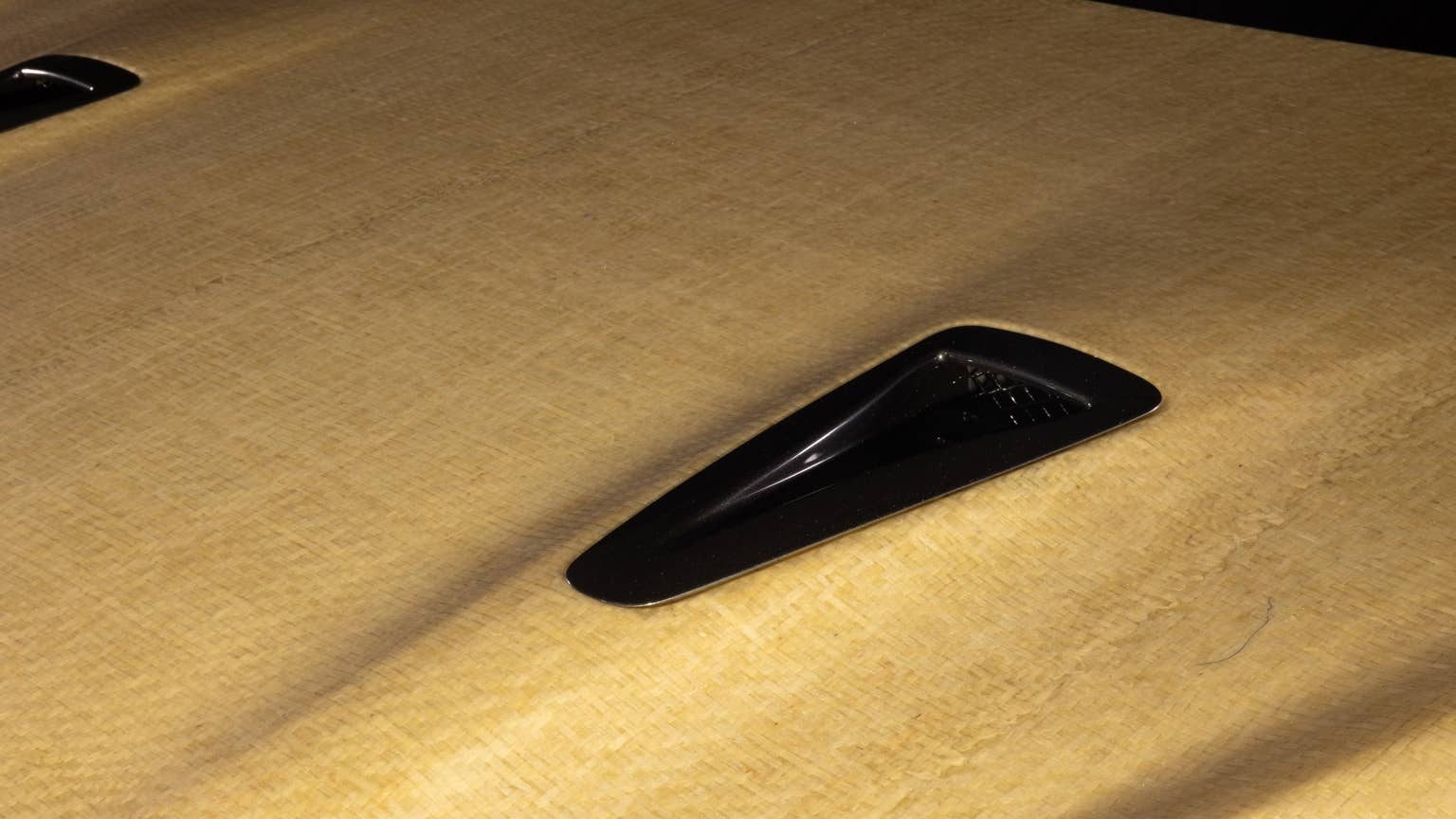
Nissan is developing a new automotive material made from discarded pineapple leaves that could offer a stronger, more sustainable alternative to conventional natural-fiber composites. The Japanese automaker has created what it describes as the world’s first automotive exterior body panel made using pineapple leaf fibers, in partnership with materials company Food Reborn.
The technology could eventually provide a new source of composite materials for motorsports and other industries. Internal testing has shown that the pineapple-based material delivers higher tensile strength than conventional flax-based natural fiber materials.
Turning Pineapple Waste Into Automotive Materials
The development process begins with pineapple leaves, which are typically discarded after harvesting. More than 50 million metric tons of pineapple leaves are thrown away worldwide every year, representing a substantial supply of agricultural waste that could be transformed into useful materials.
The process converts discarded leaves into usable fibers, which are then transformed into flat yarn, woven into fabric and incorporated into a composite material.
The resulting composite offers improved tensile strength compared with conventional flax-based alternatives, potentially making it suitable for applications that require strong, lightweight materials.
Potential Applications in Motorsports
Motorsports is one of the potential applications for the new material. Some racing categories require natural fiber-reinforced plastics for specific modified exterior body panels.
However, the limited number of specialized suppliers has made these materials difficult and expensive for racing teams to source. The pineapple-based alternative could help address these supply challenges while making better use of agricultural waste.
Technology Could Extend Beyond the Automotive Industry
The manufacturing technology has been licensed to Food Reborn, covering the production of flat yarn, woven fabric and prepreg. The latter is an intermediate molding material in which resin is impregnated into fibers extracted from pineapple leaves.
The technology could eventually be used in products beyond automotive body panels, including sporting goods and other products that depend on lightweight, durable composite materials.
New Material to Debut in Tokyo
The pineapple-based composite will make its public debut at the SAMPE Japan Advanced Materials Technology Exhibition 2026 in Tokyo, scheduled for November 18-20.
Visitors will be able to see an actual exterior body panel for the R35 GT-R manufactured using the new process.
There is no announcement yet on whether the material will be used in production vehicles or when it might become commercially available.