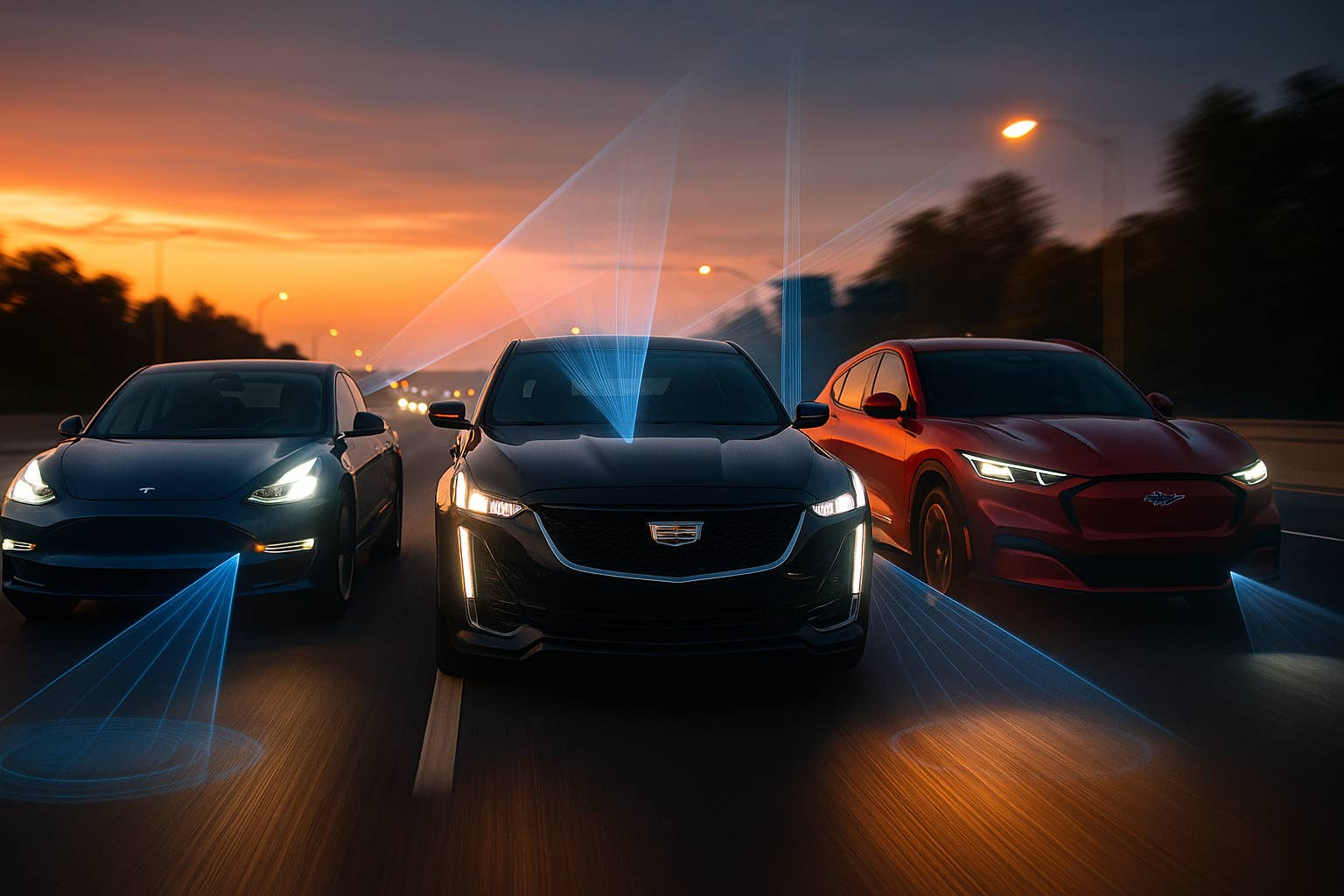
New testing has revealed significant weaknesses in intersection automatic emergency braking (AEB) systems, showing that modern vehicles can still struggle to prevent crashes when traffic situations become unpredictable. The evaluation examined four 2026 SUVs and found that three repeatedly failed to stop when a vehicle entered their path from a perpendicular side road.
Four 2026 SUVs Put to the Test
The evaluation included 74 closed-course test runs examining the standard intersection automatic emergency braking systems in four 2026 vehicles. The results highlighted a major difference between how these systems perform in traditional rear-end collision scenarios and how they respond to more complicated intersection situations.
During standardized Euro NCAP left-turn tests involving oncoming traffic, all four SUVs successfully warned drivers and applied the brakes to avoid a collision.
However, the results changed when researchers introduced minor variations designed to reflect less predictable driving conditions. When the left-turn test was repeated without activating the turn signal, one vehicle completely failed to intervene.
Three SUVs Failed to Avoid Side-Road Collisions
The most concerning results came from tests involving a robotic soft target emerging from a perpendicular side road directly into the path of a test vehicle traveling at 30 mph.
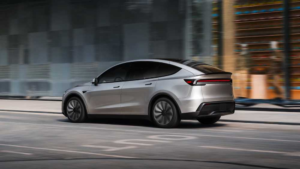
Three of the four vehicles struck the target in every test attempt. Only the Tesla Model Y successfully stopped in all five runs.
The Chevrolet Equinox applied its brakes just once, while the Ford Explorer and Hyundai Tucson failed to provide even a basic forward collision warning.
The results demonstrate that intersection emergency braking systems can perform well under carefully controlled conditions but remain inconsistent when faced with different traffic movements.
Federal Safety Testing Standards Remain Limited
The inconsistent results highlight limitations in how vehicle safety systems are evaluated in the United States. Traditional crash-avoidance testing has focused primarily on straightforward rear-end collisions rather than the more complex situations drivers encounter at intersections.
A research procedure for intersection safety was drafted in 2019, but a mandatory federal testing standard has not yet been implemented.
Automakers largely calibrate their radar and camera systems to meet existing European left-turn testing requirements rather than addressing the full range of unpredictable cross-traffic situations on American roads.
Automatic Emergency Braking Still Has Limitations
Automotive engineers continue working to improve safety technology, including parked crash avoidance systems and software that allows autonomous systems to intervene while a person is driving manually.
However, intersection automatic emergency braking performance remains inconsistent outside narrow, pre-programmed testing conditions.
The findings raise questions about whether current testing procedures adequately reflect everyday driving situations, particularly when another vehicle approaches from a perpendicular direction.
Drivers Should Not Rely Entirely on Safety Sensors
Despite the shortcomings, automatic emergency braking represents an improvement in road safety. The latest findings also show progress compared with 2022 baseline tests, when systems ignored intersection threats entirely.
However, the technology should not be treated as a replacement for driver attention. Over-reliance on sensors can create a false sense of security, particularly as sensitive onboard cameras have also been associated with phantom braking concerns that have prompted lawsuits.
Drivers are advised to remain alert when approaching intersections and use the practice known as “cover the brake.” This means keeping the right foot hovering over the brake pedal so the driver can respond quickly if a dangerous situation develops.
Until automakers and regulators address the limitations of perpendicular cross-traffic detection, drivers must continue relying on their attention and ability to react to potential hazards rather than assuming automatic emergency braking will prevent every collision.