
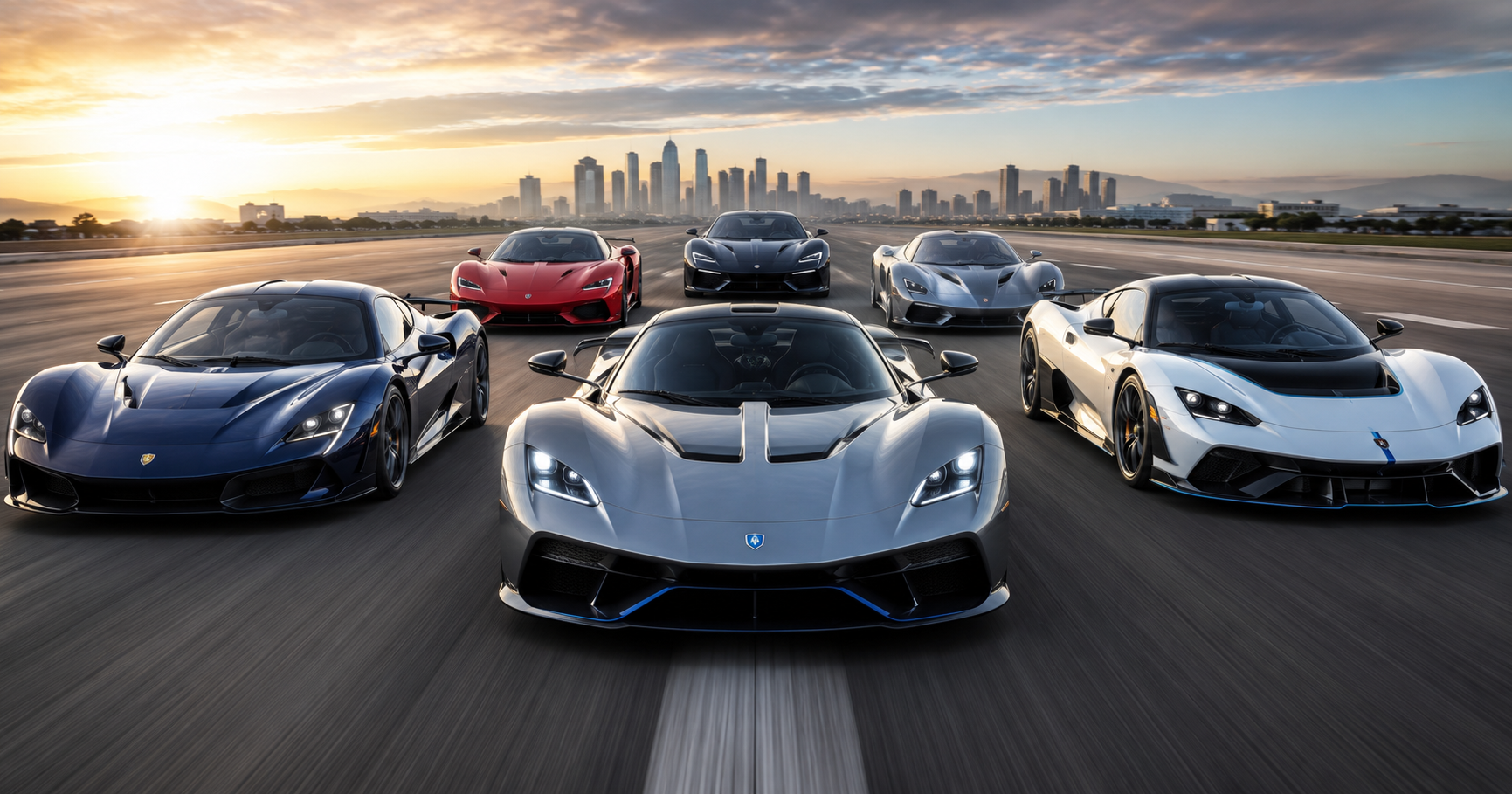
The electric vehicle revolution is no longer just about efficiency, sustainability, or reducing emissions. In 2026, it has become a battle for outright speed. The world’s fastest electric cars are now reaching performance levels that seemed impossible just a decade ago, challenging and even surpassing the most powerful gasoline-powered hypercars ever built.
From record-breaking Chinese technology to Croatian engineering masterpieces and futuristic American concepts, the Fastest Electric Cars 2026 showcase how electric propulsion has transformed automotive performance. Instant torque, advanced battery technology, sophisticated aerodynamics, and intelligent power management have created a new generation of speed machines capable of reaching nearly 300 mph.
In this comprehensive guide, we rank the seven ultimate electric speed kings of 2026, examining their performance figures, technology, strengths, weaknesses, and what makes each one special in the rapidly evolving EV hypercar landscape.
The Electric Speed Revolution Has Arrived
For decades, internal combustion engines dominated speed records. Legendary names like Bugatti, Koenigsegg, and Ferrari represented the pinnacle of automotive performance. However, electric powertrains have fundamentally changed the game.
Unlike gasoline engines that need to build power through RPM, electric motors deliver maximum torque instantly. This allows electric hypercars to achieve acceleration figures that were once considered physically impossible for road cars.
Today’s fastest EVs are not only quicker off the line than most supercars but are also beginning to dominate top-speed rankings. The latest generation demonstrates that electric performance is no longer an alternative—it is the benchmark.
Ranking the Fastest Electric Cars 2026
1. Yangwang U9 Track Edition – The New King of Speed
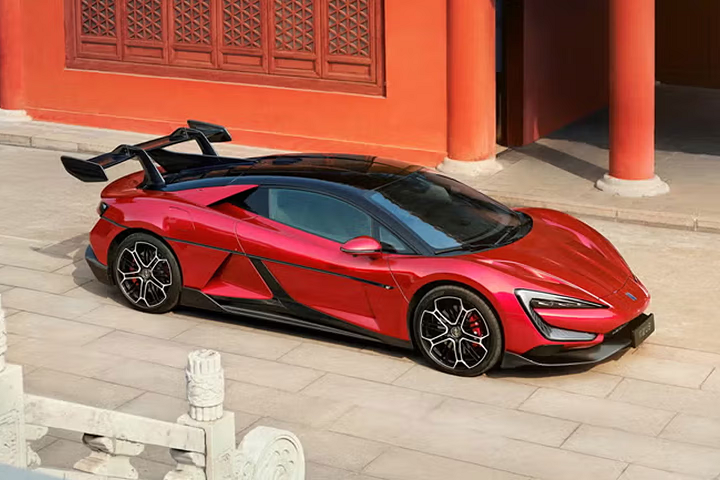
The biggest story in the automotive world is undoubtedly the rise of the Yangwang U9 Track Edition. Developed by Chinese automaker BYD’s luxury performance division, the U9 shattered expectations and rewrote the electric speed record books.
With a verified top speed of approximately 293.5 mph and a record run reportedly reaching 308 mph, the Yangwang U9 has become the fastest production electric car ever recorded.
Key Specifications
- Top Speed: 293.5 mph (472 km/h)
- Record Run: 308 mph (495 km/h)
- Horsepower: Around 2,000 hp
- 0-60 mph: Approximately 2.0 seconds
- Powertrain: Quad-motor electric setup
The achievement is particularly significant because it signals China’s emergence as a dominant force in high-performance automotive engineering. What was once considered impossible for an EV is now reality.
The U9 combines cutting-edge battery management systems, advanced aerodynamics, and immense power output to achieve speeds previously reserved for record-attempt gasoline hypercars.
2. Rimac Nevera R – The Acceleration Monster
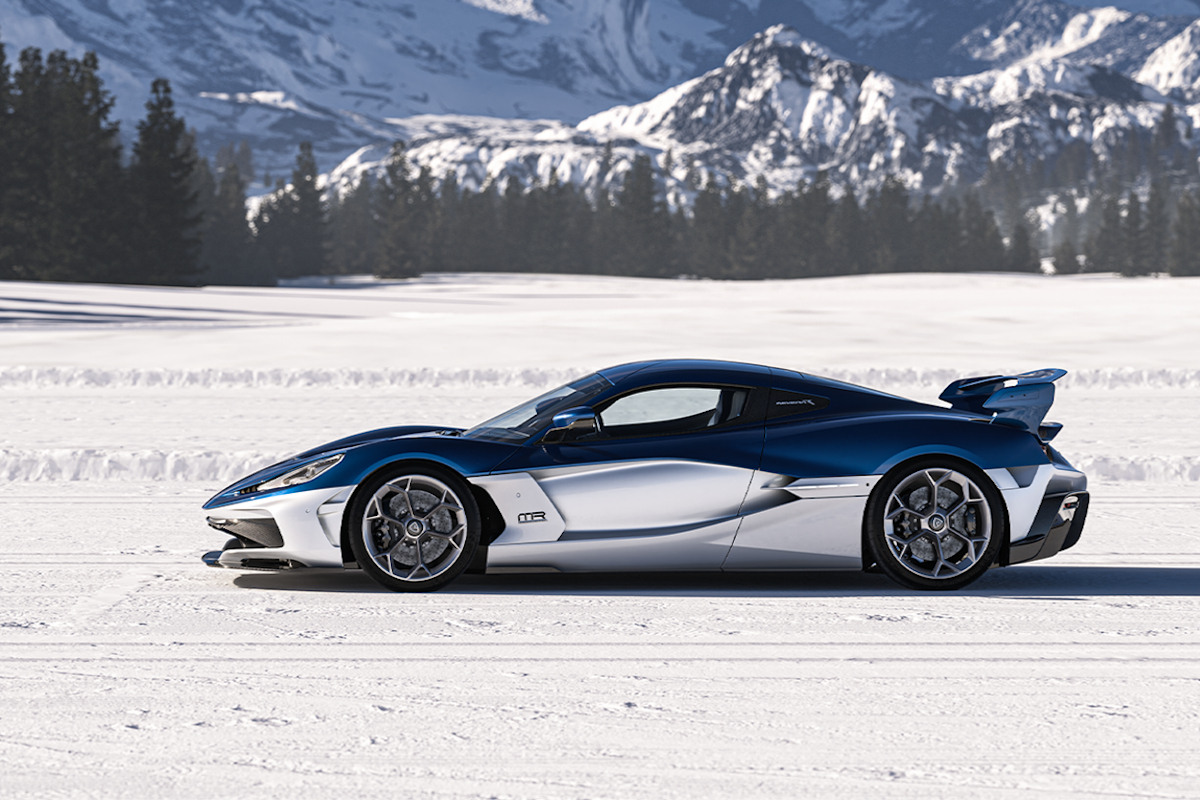
If outright speed crowns the Yangwang U9 king, then the Rimac Nevera R is undoubtedly the acceleration champion.
Built by Croatian manufacturer Rimac, the Nevera R represents the evolution of one of the most technologically advanced electric hypercars ever created. With an astonishing 2,107 horsepower and a 0-60 mph time of just 1.66 seconds, few vehicles on Earth can match its explosive performance.
Key Specifications
- Top Speed: 267 mph
- Horsepower: 2,107 hp
- 0-60 mph: 1.66 seconds
- Battery Capacity: 120 kWh
- Range: Approximately 490 km
The Nevera R showcases the incredible advantages of electric power. Sophisticated torque vectoring systems continuously distribute power to maximize grip and stability, allowing drivers to harness over 2,000 horsepower with remarkable confidence.
For many enthusiasts, the Nevera R represents the perfect balance between technology, speed, and engineering excellence.
3. Rimac Nevera – The Hypercar That Changed Everything
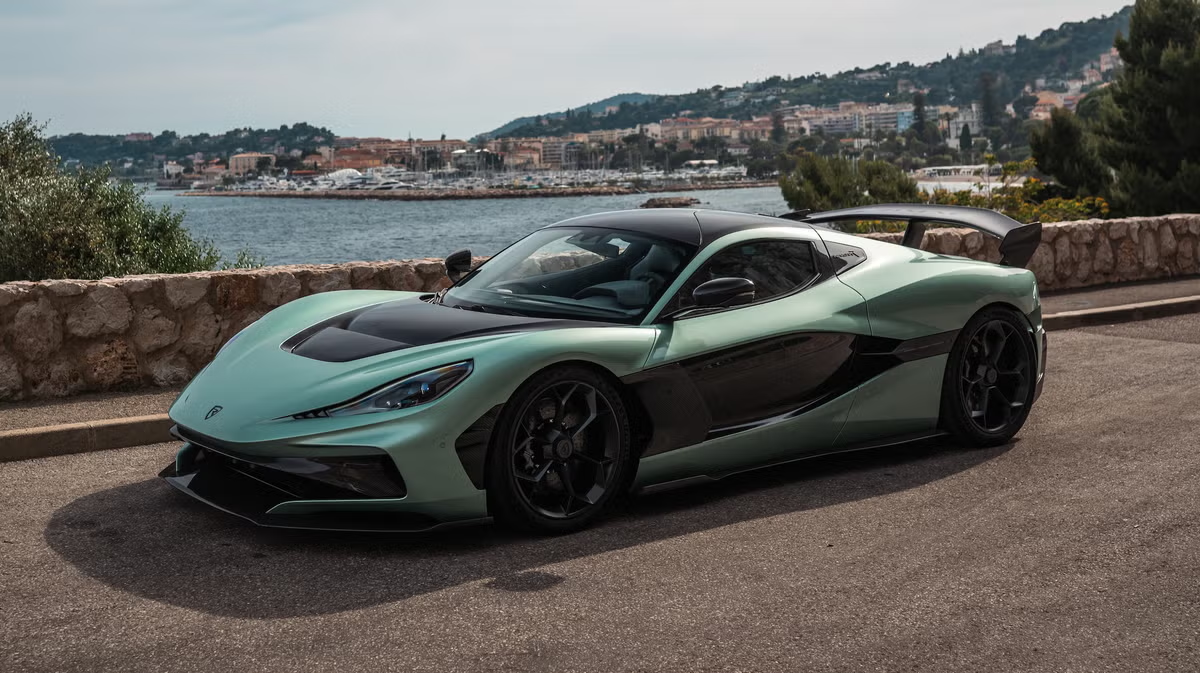
Before newer challengers emerged, the standard Rimac Nevera was the benchmark for electric performance. It proved that electric hypercars could outperform the world’s best internal combustion rivals not only in acceleration but also in overall performance metrics.
The Nevera remains one of the most impressive production vehicles ever built.
Key Specifications
- Top Speed: 258 mph
- Horsepower: 1,914 hp
- 0-100 km/h: 1.85 seconds
- Battery Capacity: 120 kWh
- Range: Approximately 490 km
The Nevera’s importance extends beyond raw numbers. It demonstrated that electric hypercars could deliver sustained high-performance driving while maintaining impressive reliability.
Even in 2026, it remains one of the fastest electric cars available anywhere in the world.
4. Aspark Owl – Japan’s Silent Super Predator
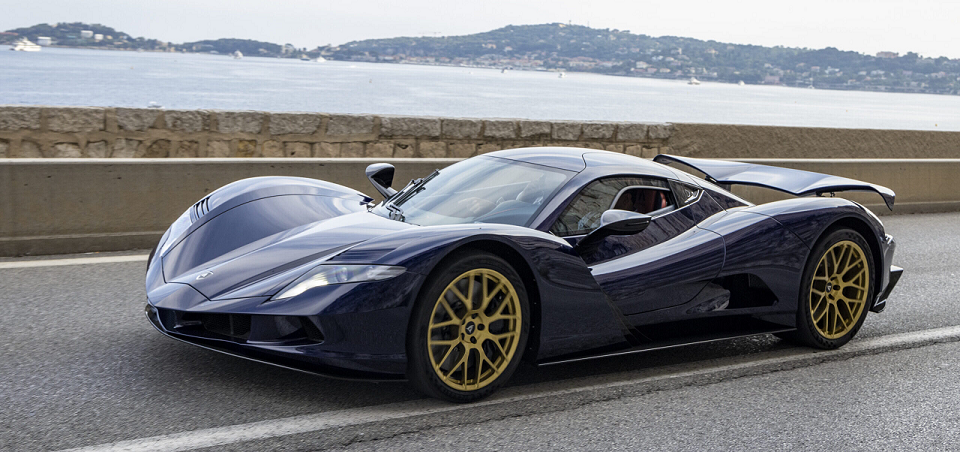
The Aspark Owl may not receive the same media attention as Tesla or Rimac, but it deserves enormous respect in the hypercar world.
Designed in Japan, the Owl combines extreme power, lightweight construction, and futuristic styling to create one of the most exclusive EVs ever produced.
Key Specifications
- Top Speed: 249 mph
- Horsepower: 1,985 hp
- 0-60 mph: 1.72 seconds
Its acceleration rivals the best electric hypercars on the market. With nearly 2,000 horsepower available instantly, the Owl launches with breathtaking force.
The car’s rarity adds to its appeal. Production numbers remain extremely limited, making ownership a privilege reserved for a small group of collectors worldwide.
5. Tesla Roadster (Gen 2) – The Most Anticipated Electric Supercar
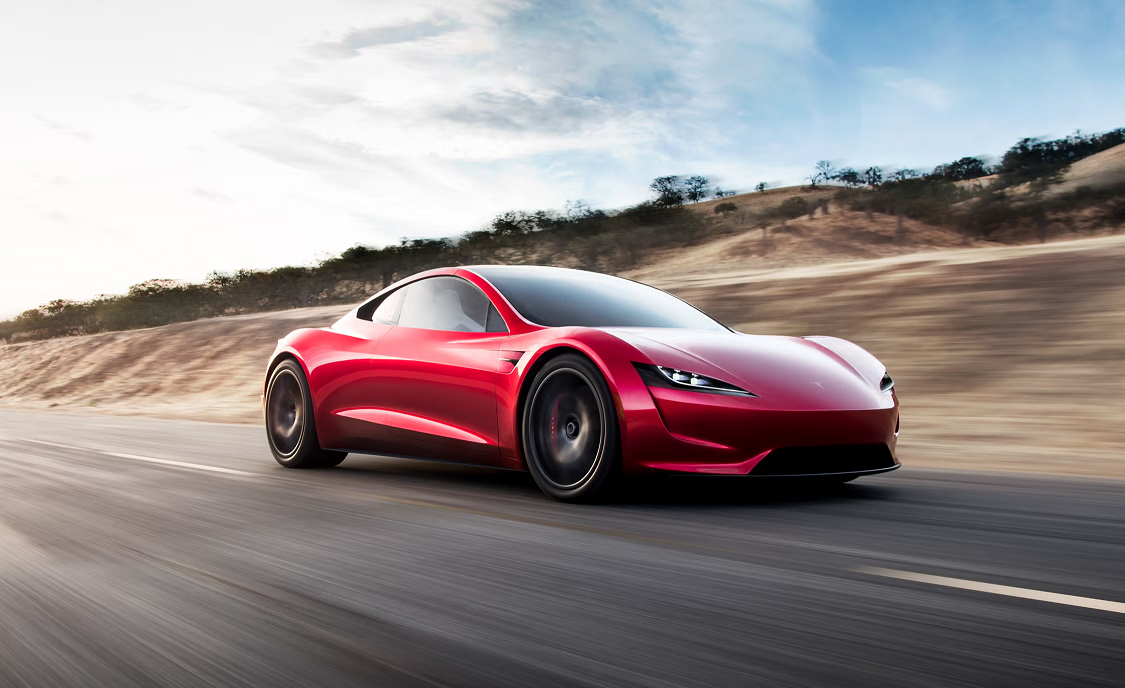
No discussion of the Fastest Electric Cars 2026 would be complete without mentioning the Tesla Roadster.
Although production delays have generated frustration among reservation holders, the Roadster continues to promise revolutionary performance.
Expected Specifications
- Top Speed: 250+ mph
- Horsepower: 1,000+ hp
- 0-60 mph: Around 1.9 seconds
- Battery Capacity: Estimated 200 kWh
- Range: Up to 1,000 km
What makes the Roadster unique is its blend of speed and practicality. While hypercars often sacrifice usability, Tesla aims to combine record-breaking performance with unprecedented driving range.
If Tesla delivers on its promises, the Roadster could become one of the most versatile high-performance EVs ever produced.
6. Pininfarina Battista – Italian Beauty Meets Electric Power
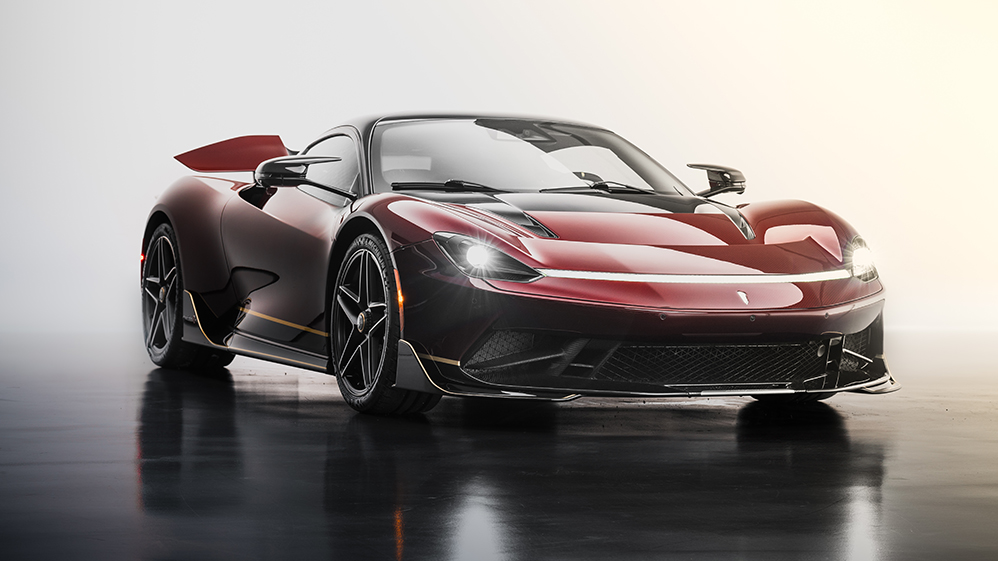
The Pininfarina Battista proves that electric vehicles can be just as emotional and visually stunning as traditional Italian supercars.
Sharing much of its technology with the Rimac Nevera, the Battista wraps extraordinary performance inside one of the most elegant automotive designs of the modern era.
Key Specifications
- Top Speed: 217 mph
- Horsepower: 1,900 hp
- 0-60 mph: 1.8 seconds
- Battery Capacity: 120 kWh
- Range: Approximately 476 km
The Battista appeals to buyers seeking both speed and artistry. Every detail reflects Italian craftsmanship while delivering acceleration capable of humiliating nearly every production vehicle on the road.
7. Lotus Evija – Lightweight Performance Reimagined
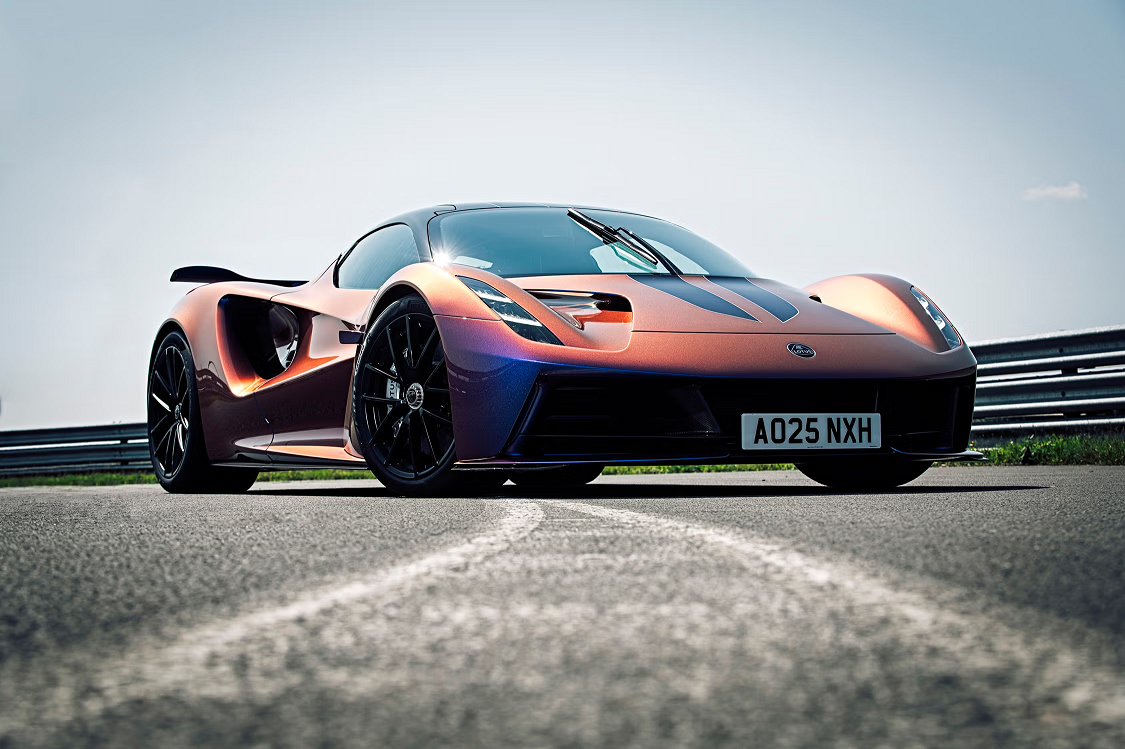
Lotus has always been known for lightweight sports cars, and the Evija applies that philosophy to the electric hypercar era.
Despite using a smaller battery than many competitors, the Evija extracts extraordinary performance through intelligent engineering and efficiency.
Key Specifications
- Top Speed: 200+ mph
- Horsepower: 1,972-2,039 hp
- 0-60 mph: Approximately 2.8 seconds
- Battery Capacity: 93 kWh
- Range: Around 400 km
The Evija demonstrates that bigger batteries are not always the answer. Its remarkable power density highlights the effectiveness of Lotus engineering and advanced electric drivetrain technology.
Fastest Electric Cars 2026 Comparison Table
| Model | Top Speed | Horsepower | 0-60 mph |
|---|---|---|---|
| Yangwang U9 Track Edition | 293.5 mph | ~2,000 hp | ~2.0 sec |
| Rimac Nevera R | 267 mph | 2,107 hp | 1.66 sec |
| Rimac Nevera | 258 mph | 1,914 hp | 1.74 sec |
| Tesla Roadster Gen 2 | 250+ mph | 1,000+ hp | 1.9 sec |
| Aspark Owl | 249 mph | 1,985 hp | 1.72 sec |
| Pininfarina Battista | 217 mph | 1,900 hp | 1.8 sec |
| Lotus Evija | 200+ mph | 1,972-2,039 hp | 2.8 sec |
Why Electric Cars Are Getting Faster Than Gas Cars
The rapid advancement of EV technology has enabled electric vehicles to outperform many traditional supercars.
Several factors contribute to this trend:
- Instant Torque: Maximum power is available immediately.
- Advanced Traction Control: Electric motors react faster than mechanical systems.
- Multiple Motors: Independent wheel control improves acceleration and stability.
- Battery Improvements: Higher energy density supports sustained performance.
- Aerodynamic Optimization: Modern EV hypercars use sophisticated airflow management.
The result is a new generation of vehicles capable of delivering performance once considered unattainable.
The Future of High-Speed Electric Performance
The next chapter in electric performance will likely focus on three areas: battery efficiency, charging speed, and thermal management.
Manufacturers are increasingly adopting 800-volt electrical architectures capable of ultra-fast charging. Vehicles such as the Porsche Taycan and Lotus Eletre already demonstrate how quickly modern EVs can recover range.
Future hypercars may exceed 300 mph regularly while offering significantly improved driving range and charging convenience.
The race for electric speed is only beginning.
Final Verdict
The Fastest Electric Cars 2026 represent one of the most exciting technological shifts in automotive history. What began as an effort to create cleaner transportation has evolved into a fierce competition for performance supremacy.
The Yangwang U9 currently sits atop the speed hierarchy, while the Rimac Nevera R dominates acceleration. The Tesla Roadster remains one of the industry’s most anticipated projects, and vehicles like the Battista and Evija prove that electric performance can still deliver beauty, exclusivity, and emotion.
As battery technology continues advancing, expect today’s records to fall even faster than the cars that set them.
Frequently Asked Questions
What is the fastest electric car in 2026?
The Yangwang U9 Track Edition is currently considered the fastest electric car in 2026, with a top speed of approximately 293.5 mph and a reported record run of 308 mph.
Which EV has the fastest acceleration?
The Rimac Nevera R leads in acceleration with a 0-60 mph time of just 1.66 seconds.
Can electric cars exceed 300 mph?
Yes. The Yangwang U9 reportedly reached 308 mph during a record-setting run, proving EVs can surpass the 300 mph barrier.
What is the fastest Tesla electric car?
The upcoming Tesla Roadster Gen 2 is expected to be Tesla’s fastest vehicle, with a projected top speed exceeding 250 mph.
Are electric hypercars practical for daily driving?
Most electric hypercars are designed primarily for performance and exclusivity. However, vehicles like the Tesla Roadster and Lucid Air Sapphire aim to combine practicality with exceptional speed.
Why do electric cars accelerate so quickly?
Electric motors provide instant torque, allowing maximum power delivery from a standstill without waiting for engine RPM to build.
Will electric cars completely replace gasoline hypercars?
While electric vehicles are rapidly becoming the performance benchmark, gasoline-powered hypercars still maintain strong appeal among enthusiasts. Both technologies may coexist for years to come.