
A 7.1-magnitude earthquake that struck Japan’s Kyushu region on July 28 has prompted production shutdowns at several automakers, including Toyota and Honda. While the earthquake occurred in Japan, some of the affected facilities manufacture vehicles for the U.S. market, drawing attention to potential production disruptions.
Toyota and Honda Respond to Production Interruptions
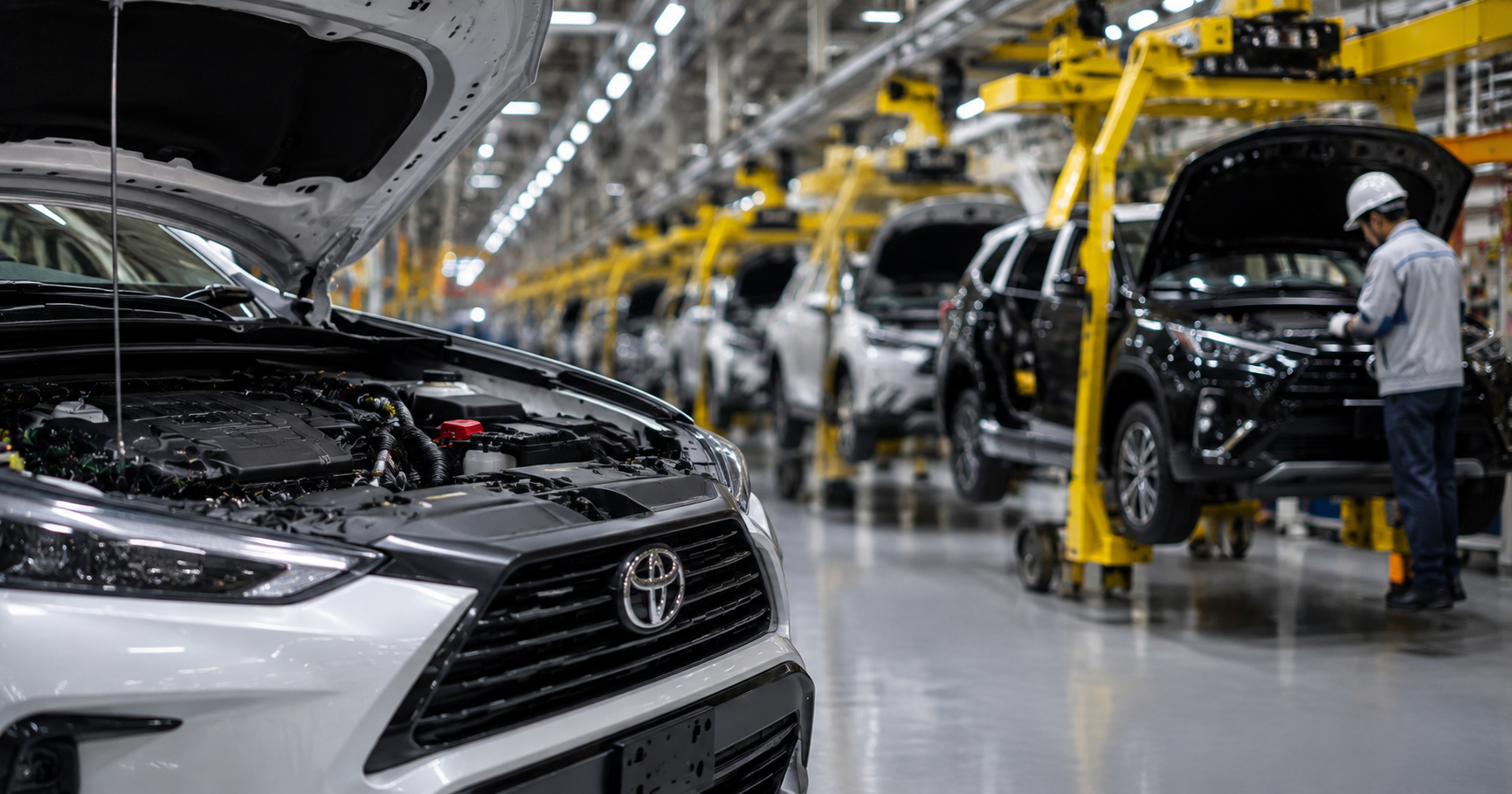
Toyota confirmed that its Tahara plant, which produces the Land Cruiser 250 and Lexus GX for the U.S. market, will remain idle through Aug. 7. The automaker has not disclosed the extent of the production disruption at the facility.
Honda also suspended operations at affected facilities. However, the company told Automotive News that the shutdowns would not affect U.S.-bound Prelude models built at its Yorii plant.
Supply Chain Disruptions Drive Most of the Impact
The report says the primary effect of the earthquake has been on the automotive supply chain rather than direct damage to assembly plants. Many production stoppages have resulted from supplier and logistics disruptions.
Japan’s automotive industry relies heavily on just-in-time manufacturing, which keeps relatively low inventory levels. As a result, disruptions affecting even a single supplier can force assembly lines to halt production.
The industry is estimated to lose nearly 20,000 vehicles in production because of the shutdowns, including output from Mitsubishi and Daihatsu.
Limited Impact on Honda’s U.S. Vehicle Supply
Honda’s exposure to the disruption is limited by its manufacturing footprint in the United States. During the first half of 2026, American Honda imported 5,637 vehicles from Japan, accounting for less than 1% of its U.S. sales.
The automaker also operates manufacturing facilities in Ohio and Indiana, helping reduce its dependence on production in Japan while limiting its exposure to import tariffs imposed by the current administration.
Nissan Estimates 5,000-Vehicle Production Loss
Nissan expects shutdowns at two of its Kyushu plants to reduce production by approximately 5,000 vehicles.
Like Honda, Nissan maintains an extensive manufacturing presence in the United States. The company still imports models including the Leaf, Armada, and Z, although the report notes that none of those vehicles rank among Nissan’s highest-volume sellers in the U.S. market.
Production Expected to Resume After Aug. 7
Most assembly-plant shutdowns covered in the report were scheduled to conclude by Aug. 7. Because Aug. 8 falls on a weekend, it remains unclear when every affected plant and supplier will fully resume production.
The disruption also underscores the role of domestic vehicle production in serving the U.S. market by reducing exposure to overseas supply-chain disruptions that can delay deliveries and increase costs. The report also notes that automakers may require overtime or special recovery shifts to make up for lost production.