
Driver assistance technology is becoming an increasingly common excuse during traffic stops, but turning on an advanced driving feature does not remove a motorist’s responsibility to obey the law. A recent stop in Parker highlighted the growing confusion over who remains accountable when driver-assistance systems are active.
Driver Blames Auto Assist After 64-Mph Stop
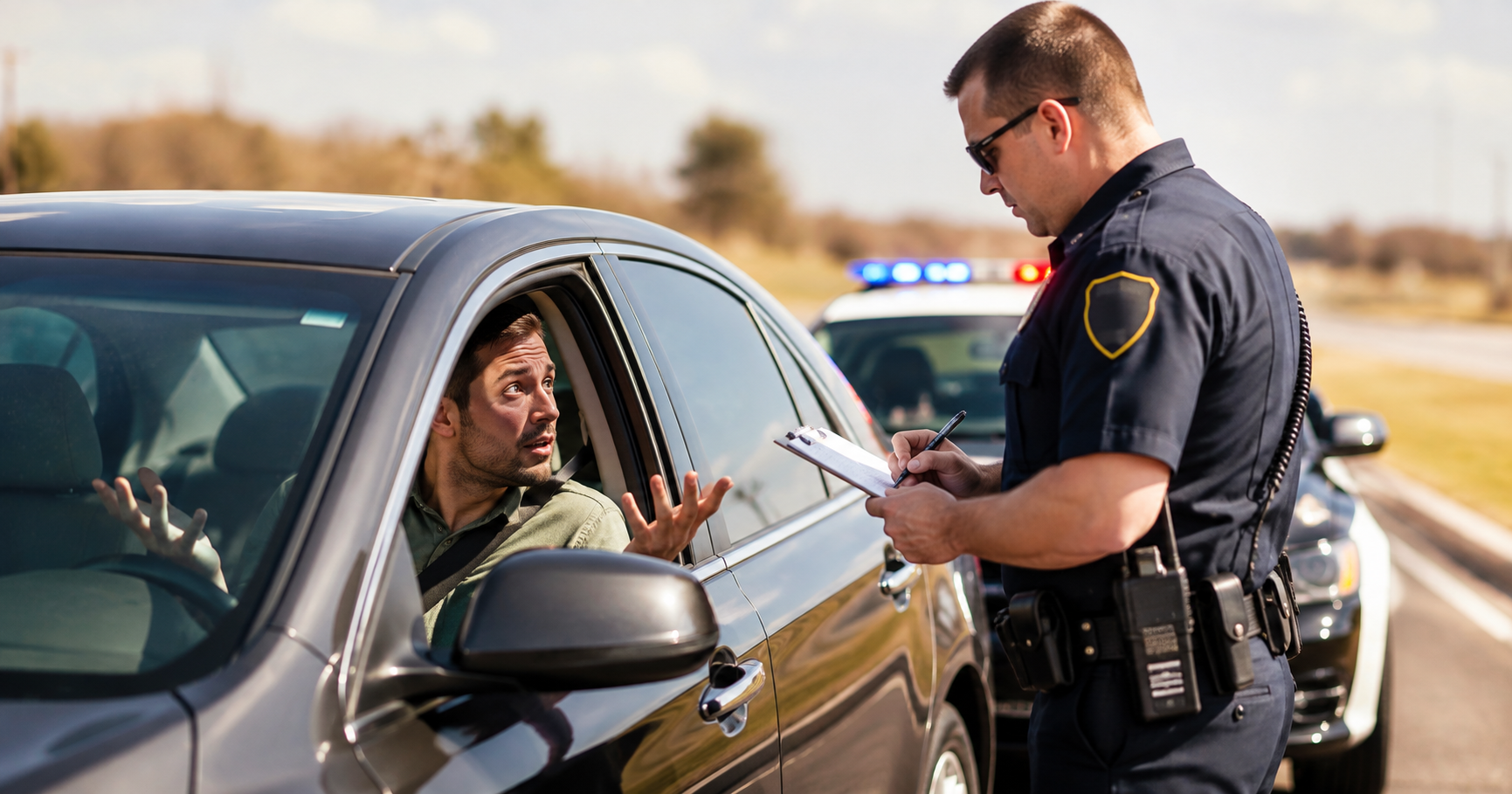
The issue came into focus when one of Parker’s police officers stopped a motorist traveling 64 mph in a clearly marked 45-mph zone.
Rather than simply accepting responsibility for the violation, the driver argued with the officer and insisted that the vehicle’s technology, rather than the motorist, was responsible for the excessive speed.
According to the officer, the driver stated, “I wasn’t driving. I had auto assist on.” The motorist then demanded to speak with a police supervisor, apparently believing the vehicle’s active driver-assistance features legally cleared them of responsibility.
Driver Assistance Does Not Remove Responsibility
Local police rejected that argument and issued a public reminder to the community about the responsibilities that remain with drivers using advanced vehicle technology.
Whether a vehicle uses adaptive cruise control, lane centering, or full self-driving capabilities, police emphasized that the human behind the wheel remains legally responsible.
That responsibility includes following posted speed limits, staying fully engaged and maintaining control of the vehicle to help keep Parker’s roads safe.
Why Driver Assistance Technology Can Cause Confusion
Driver assistance technology is designed to assist motorists, not replace them. The systems can create a false sense of security, while the software still requires a fully attentive human who is ready to take over in a split second.
That distinction has become particularly important as automakers promote driver-assistance systems with increasingly futuristic names and lawmakers work to establish laws governing autonomous vehicles.
The growing confusion among consumers has also emerged as prominent automakers face increased scrutiny, including investigations by regulators into questionable safety data and ongoing legal troubles.
Drivers Remain Accountable Behind the Wheel
The central message remains straightforward: activating driver assistance does not make a motorist immune from traffic enforcement. Drivers are still expected to obey speed limits, remain attentive and maintain control of their vehicles.
As the legal framework surrounding autonomous technology continues to tighten, motorists remain accountable for the actions of the vehicles they are operating.