
Range Rover is preparing to move beyond its traditional SUV formula with the new Range Rover GT, a model designed to bring grand-touring performance and long-distance comfort to the luxury brand’s lineup.
Positioned alongside the Range Rover, Range Rover Sport, Velar and Evoque, the GT takes a dramatically different approach. Its low roofline, elongated body and fastback profile give it a more car-like appearance than any previous Range Rover, placing it somewhere between a luxury crossover and a four-door grand tourer.
A More Car-Like Range Rover
The Range Rover GT is being developed for drivers who want the luxury and refinement associated with the brand but prefer a vehicle designed primarily for comfortable high-speed road travel.
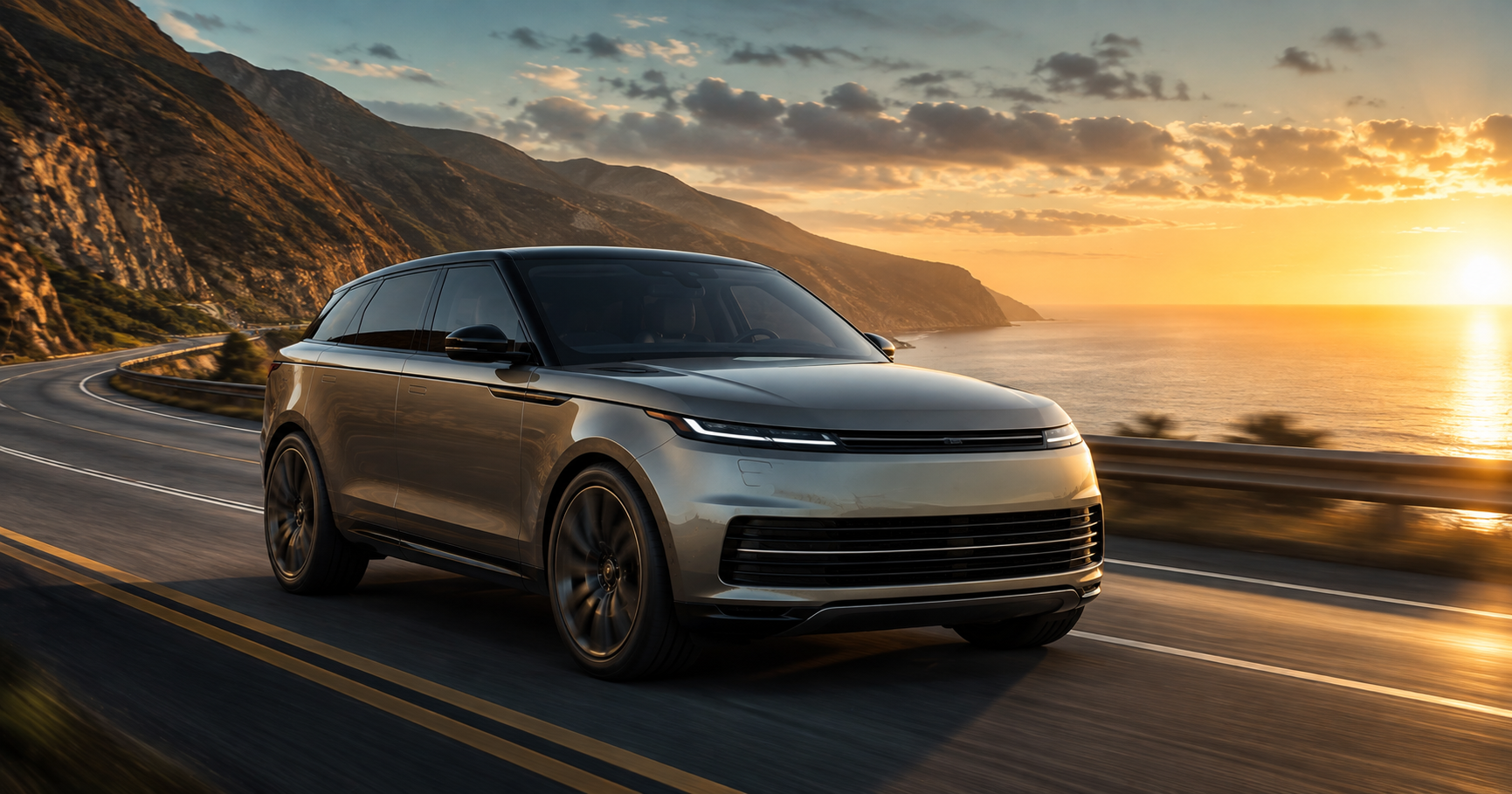
Rather than emphasizing the tall, upright proportions that have defined Range Rover SUVs for decades, the GT adopts a lower stance and a more aerodynamic silhouette. Slim lighting elements, flush door handles, large wheels and a streamlined rear section further distinguish it from the rest of the lineup.
Range Rover is positioning the model as a fresh interpretation of the grand tourer, with an emphasis on long-distance comfort and performance. The result is a vehicle that retains the brand’s luxury character while moving into unfamiliar territory.
Range Rover GT Will Debut on JLR’s EMA Platform
Underneath its redesigned exterior, the GT will introduce another major change. It will be the first Range Rover to use JLR’s Electrified Modular Architecture, or EMA.
The model is expected to launch as a fully electric vehicle, although the platform is designed to support additional powertrains in the future. Range Rover has already indicated that a full-hybrid version could eventually join the lineup.
Key technical specifications remain unavailable. Range Rover has not yet revealed the GT’s battery capacity, driving range, charging performance, output, pricing or final dimensions.
A Four-Seat Luxury Interior
The GT’s interior is expected to continue the minimalist design approach introduced by newer Range Rover models. The cabin features a large central display, a separate instrument screen for the driver and a concealed full-width air vent integrated into the dashboard.
Woven materials are also incorporated into the interior, including areas that double as speaker covers. Meanwhile, the four-seat configuration places greater emphasis on rear passenger comfort.
Rather than functioning primarily as a family-oriented SUV, the cabin is being designed more like a luxury lounge for long-distance travel.
AI Renders Offer a Preview of the GT
Unofficial AI-generated renders of the Range Rover GT visualize a design built around elegant proportions, a low roof and a sleek fastback rear. The images also highlight narrow lights, flush-mounted door handles and large wheels.
The rear section appears considerably more streamlined than the traditional Range Rover shape, reflecting the GT’s focus on aerodynamic efficiency and road-going performance.
Editor’s note: The images referenced in this article are AI-generated fictional renders created to visualize what the Range Rover GT could potentially look like. They are not official Range Rover images and do not represent the confirmed production design.
When Will the Range Rover GT Be Revealed?
Range Rover has yet to release the full details of the production model, but prototypes are already undergoing testing around the world, suggesting that development is approaching its final stages.
More information about the GT is expected to emerge in the coming months, with the production model expected to reach the market next year.
Production is planned for JLR’s Halewood plant in the United Kingdom, where the GT will be built alongside more traditional Range Rover models.
A New Direction for Range Rover
The Range Rover GT represents a significant departure from the brand’s conventional SUV identity. It retains the luxury positioning and design language associated with Range Rover while adopting a lower, sleeker profile and an electric-first platform.
Its biggest challenge may be defining its place within the lineup. The GT carries the Range Rover name and luxury credentials, but its mission is fundamentally different from that of the brand’s traditional SUVs. Instead of focusing on off-road capability and imposing road presence, the new model is being developed around electric performance, aerodynamic efficiency and effortless long-distance travel.
If Range Rover delivers on that vision, the GT could become one of the brand’s most significant departures from tradition yet.