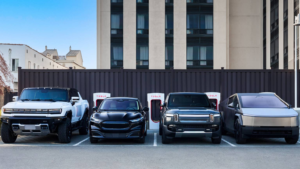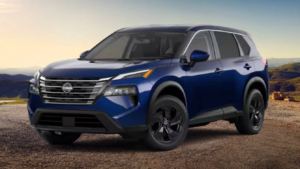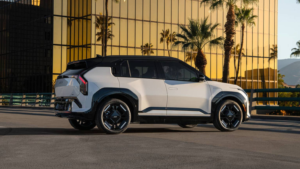


The Best Electric Cars 2026 market looks very different from it did just a few years ago. Buyers now have more choices, longer driving ranges, faster charging and a wider selection of electric SUVs, sedans and family vehicles. At the same time, the U.S. EV market has entered a more complicated phase, with sales slowing, incentives changing and ownership costs becoming more important to the buying decision.
For shoppers, that makes choosing the right EV more difficult—and more important. The best electric car is not necessarily the one with the longest range or the most powerful motor. It is the model that delivers the right combination of price, range, charging speed, practicality, technology, comfort and long-term value for your needs.
Our guide to the Best Electric Cars 2026 examines the leading EVs available or arriving in the U.S. market, including the Tesla Model 3 and Model Y, Hyundai Ioniq 5, Rivian R2, Chevrolet Equinox EV and several premium electric vehicles. We also look at the best affordable EVs, electric SUVs, long-range models and the key factors you should consider before buying.
Best Electric Cars 2026: Our Top Picks
The 2026 EV market covers everything from relatively affordable electric cars to six-figure luxury SUVs. Based on the available market data, expert evaluations and the strengths of each vehicle, these are some of the most compelling choices for U.S. buyers.
| Electric Car | Best For | Key Strength |
|---|---|---|
| Tesla Model Y | Best overall electric SUV | Range, practicality and charging access |
| Tesla Model 3 | Best electric sedan | Value, efficiency and range |
| Hyundai Ioniq 5 | Best all-around EV | Fast charging, technology and comfort |
| Chevrolet Equinox EV | Affordable electric SUV | Practicality and mainstream pricing |
| Rivian R2 | New midsize electric SUV | Adventure-focused design and capability |
| Hyundai Ioniq 9 | Three-row families | Space, comfort and 300+ miles of range |
| BMW iX3 | Long-range premium EV | 434-mile EPA range and 800V charging |
1. Tesla Model Y: Best Electric SUV for 2026
The Tesla Model Y remains one of the strongest choices in the electric SUV market and one of the most recognizable names among the Best Electric Cars 2026. Its combination of range, practicality, technology and access to a large charging network makes it particularly attractive to buyers who want one EV that can handle everyday commuting as well as longer road trips.
The Model Y was also the best-selling EV in the U.S. during the first half of 2026, with estimated sales of 163,454 units. That figure was significantly ahead of the second-place Tesla Model 3.
For shoppers, the Model Y’s biggest advantage is balance. It provides the higher seating position and cargo flexibility many SUV buyers want without moving into the size and price range of a large three-row electric SUV.
Why buy the Tesla Model Y?
- Strong real-world practicality.
- Competitive driving range.
- Extensive charging infrastructure.
- Large cargo area and useful interior space.
- Strong position in the U.S. EV market.
USA TODAY has also identified the Model Y as its best overall electric SUV for 2026, highlighting its balance of space, practicality, range and price.
2. Tesla Model 3: Best Electric Sedan
If you prefer a sedan instead of an SUV, the Tesla Model 3 remains one of the easiest EVs to recommend. It combines relatively accessible pricing with good range, strong efficiency and a mature electric-car platform.
The 2026 Model 3 starts at about $36,990 according to the research data, placing it among the more attainable mainstream EVs in the U.S. market.
The Model 3 was also the second-best-selling EV in the first half of 2026, with approximately 66,616 units sold. Although sales were down from the same period in 2025, its position shows how established the model remains.
USA TODAY described the Model 3 as its most popular electric sedan pick for 2026, pointing to its affordability and driving range.
Who should buy the Model 3?
The Model 3 makes the most sense for commuters, couples and smaller families who do not need SUV cargo capacity. It is particularly attractive if you have home charging and want an EV that can cover daily driving without requiring frequent public charging.
3. Hyundai Ioniq 5: One of the Best All-Around EVs
The Hyundai Ioniq 5 stands out because it addresses one of the biggest concerns surrounding electric cars: charging time. Its combination of range, ultra-fast charging and technology makes it one of the most complete EVs available to mainstream buyers.
The Ioniq 5 recorded approximately 20,730 U.S. sales during the first half of 2026, an increase of 8.6% from the same period a year earlier.
Edmunds has praised the 2026 Ioniq 5 for its range, fast charging and useful technology, describing it as one of its favorite vehicles overall.
The model also benefits from the growing adoption of the North American Charging Standard, or NACS, which is making access to Tesla’s Supercharger network easier for an increasing number of EV owners.
Why the Ioniq 5 is different
The Ioniq 5 does not try to win solely on range. Instead, it combines a distinctive design, comfortable interior, modern technology and extremely quick DC fast charging. For drivers who frequently take road trips, charging speed can be just as important as the number printed beside an EV’s range rating.
4. Chevrolet Equinox EV: Best Affordable Electric SUV
The Chevrolet Equinox EV is one of the most important models for buyers looking for a practical electric SUV without moving into luxury-car pricing.
It ranked fifth among the best-selling U.S. EVs during the first half of 2026, with approximately 16,249 sales.
The Equinox EV is especially relevant because the next phase of EV adoption is likely to depend heavily on mainstream buyers. A vehicle does not have to be the fastest or most technologically advanced EV to succeed. For many families, reasonable pricing, usable range and everyday practicality matter more.
That makes the Equinox EV an important option for shoppers who want to transition from a gasoline crossover to an electric SUV without dramatically changing how they use their vehicle.
5. Rivian R2: One of the Most Interesting New EVs
The Rivian R2 represents a different direction for the electric SUV market. Rather than competing primarily as a traditional urban crossover, the R2 brings Rivian’s adventure-oriented identity to a smaller and more accessible segment.
According to the research, R2 deliveries began in June 2026, with premium versions expected later in the year. Higher trims are expected to cost around $53,990 and offer approximately 330 miles of range.
For buyers who want an electric SUV that feels more distinctive than a conventional crossover, the R2 deserves attention.
6. Hyundai Ioniq 9: Best Three-Row Electric SUV
Large families have historically had fewer compelling EV choices, but that is changing rapidly. The Hyundai Ioniq 9 brings three-row practicality to the electric SUV segment while maintaining a range of more than 300 miles.
Kelley Blue Book describes the Ioniq 9 as a spacious, comfortable and upscale three-row electric SUV with more than 300 miles of range.
For families, the Ioniq 9 addresses a key problem with smaller EVs: interior space. If you regularly carry children, passengers and cargo, an efficient compact EV may not be enough. A three-row model provides substantially more flexibility for everyday family life.
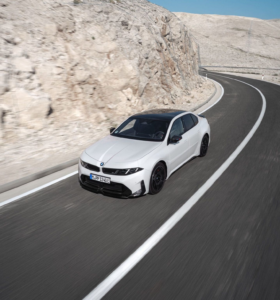
7. BMW iX3: A Long-Range Premium EV to Watch
The next-generation BMW iX3 is one of the most technically ambitious electric vehicles highlighted in the 2026 research. It is scheduled to go on sale September 25, 2026, with an expected starting price of $61,500.
Its headline specification is a projected EPA range of 434 miles, placing it among the longest-range EVs in the market. It also uses an 800-volt architecture and is expected to charge from 10% to 80% in about 21 minutes.
For buyers who prioritize long-distance capability, the iX3 could be one of the most interesting premium EVs of 2026.
Best Electric Cars 2026 by Category
Best Electric Car for Most Buyers
The Tesla Model 3 is a strong choice for shoppers who want a relatively affordable sedan, while the Tesla Model Y is better suited to buyers who need additional cargo space and SUV practicality.
Best Electric SUV
The Tesla Model Y remains a leading overall choice because it combines practicality, range and charging access. Buyers who want something more adventure-oriented should consider the Rivian R2.
Best Affordable EV
The Chevrolet Equinox EV and Hyundai Ioniq 5 are among the strongest mainstream choices. The research also identifies the Chevrolet Bolt as an entry-level EV starting around $29,000, making affordability an increasingly important part of the 2026 EV landscape.
Best Long-Range EV
Range-focused shoppers have more choices than ever. The BMW iX3 is expected to deliver about 434 miles, while some larger luxury EVs, such as the Cadillac Escalade IQ, can reach up to 460 miles depending on configuration.
Best Three-Row EV
The Hyundai Ioniq 9 is a strong choice for families that need three rows without giving up the advantages of electric propulsion.
How Much Do Electric Cars Cost in 2026?
Pricing is one of the biggest considerations when shopping for an EV in 2026. The research indicates that electric vehicles now span a broad range, from models priced around $29,000 to premium EVs costing well above $60,000.
However, buyers should be careful when comparing an EV’s sticker price with that of a gasoline vehicle. The purchase price is only one part of the ownership equation.
Electric vehicles can potentially reduce fuel and routine maintenance expenses because they do not require conventional oil changes and use fewer mechanical components in the powertrain. However, depreciation, insurance and financing can offset some of those savings.
Are Electric Cars Still Eligible for a $7,500 Federal Tax Credit?
No. The federal $7,500 EV tax credit expired in September 2025, according to the supplied research. That means buyers in 2026 should not assume that a federal incentive will automatically reduce the purchase price.
State-level incentives can still make a difference. The research indicates that 28 states continue to offer some form of EV rebate or tax credit, with incentives ranging from approximately $500 to $4,000.
Because state programs can change, shoppers should verify eligibility, income requirements and vehicle restrictions before calculating the final purchase price.
How Far Can the Best EVs Go on a Charge?
Range anxiety is becoming less relevant as battery technology and vehicle efficiency improve. Many 2026 EVs can travel approximately 250 to 450 miles or more on a full charge, depending on the model and configuration.
Some premium models go even further. The research highlights the BMW iX3 at approximately 434 miles and the Cadillac Escalade IQ at up to 460 miles.
But maximum range should not be the only number you consider.
For example, an EV with a 300-mile range and extremely fast charging can be more convenient on a road trip than a 400-mile EV that takes significantly longer to recharge. The best choice depends on how frequently you drive long distances and where you can charge.
EV Charging in 2026: What Buyers Need to Know
Charging infrastructure is one of the biggest changes in the EV market. More vehicles now support NACS, giving owners access to a broader network of fast chargers.
Several 2026 EVs also support charging rates of 300 kW to 350 kW under suitable conditions. Some can add approximately 100 miles of range in roughly 9 to 18 minutes.
Home Charging
For most EV owners, home charging remains the most convenient option. A 240-volt Level 2 charger can replenish an EV overnight, meaning many drivers rarely need to visit a public charging station for routine driving.
This is particularly important when evaluating the economics of EV ownership. Drivers who can charge at home generally have a much easier path to reducing fuel expenses than drivers who depend almost entirely on public fast charging.
Public Fast Charging
Public DC fast charging becomes more important during long trips. Before purchasing an EV, prospective owners should examine the charging networks available around their home, workplace and common travel routes.
Charging compatibility is now nearly as important as range when comparing electric vehicles.
Are Electric Cars Cheaper to Own Than Gas Cars?
The answer is more complicated than it once appeared.
EVs can offer significant savings in fuel and routine maintenance. Electricity is often substantially cheaper per mile than gasoline, and electric powertrains eliminate many conventional maintenance requirements.
However, the supplied 2026 research cites AAA analysis indicating that EVs can have higher overall ownership costs in some cases because depreciation, insurance and financing costs can outweigh fuel and maintenance savings.
That does not mean an EV is automatically a bad financial choice. It means buyers should calculate total cost of ownership rather than relying solely on fuel savings.
What affects EV ownership costs?
- Purchase price.
- Financing rate and loan duration.
- Insurance premiums.
- Depreciation.
- Electricity prices.
- Gasoline prices.
- Annual driving distance.
- Home charger installation.
- Public charging usage.
- Maintenance and tire costs.
Pros and Cons of Buying an EV in 2026
Advantages
- Lower fuel costs: Home charging can cost considerably less per mile than gasoline.
- Less routine maintenance: EVs do not require traditional engine oil changes and have fewer moving powertrain components.
- Instant torque: Electric motors deliver immediate acceleration.
- Quiet driving: The absence of a conventional gasoline engine creates a quieter cabin experience.
- Improved range: Several modern EVs now exceed 400 miles of EPA-rated range.
- Faster charging: New 800-volt systems and high-power DC charging can significantly reduce charging stops.
- More choices: The 2026 market includes sedans, compact SUVs, three-row SUVs and luxury vehicles.
Disadvantages
- Higher upfront prices: Some EVs remain more expensive than comparable gasoline vehicles.
- Depreciation: Rapid technology changes can affect resale values.
- Insurance: EV insurance can be more expensive than insurance for comparable gasoline vehicles.
- Charging limitations: Public charging availability and reliability vary by location.
- Longer road-trip stops: Even fast charging generally takes longer than filling a gasoline tank.
- Reduced incentives: The federal $7,500 credit is no longer available.
How to Choose the Best Electric Car for You
Instead of starting with a list of the most popular EVs, start with your lifestyle.
1. Determine Your Daily Driving Distance
If you drive 30 to 50 miles per day, almost every modern EV can provide enough range for your daily needs. If you frequently travel hundreds of miles between charging opportunities, prioritize long-range models and fast-charging capability.
2. Check Your Charging Situation
Before buying an EV, determine whether you can install a Level 2 charger at home. If you live in an apartment, check whether reliable overnight charging is available.
3. Compare Total Ownership Costs
Do not compare only monthly payments. Estimate electricity, insurance, depreciation, financing and maintenance costs over the period you expect to own the vehicle.
4. Consider Your Passenger and Cargo Needs
A Tesla Model 3 may be ideal for a commuter, while a Model Y, Rivian R2 or Hyundai Ioniq 9 could be much better for a family.
5. Look at Charging Speed, Not Just Range
Range determines how far you can travel, but charging speed determines how quickly you can continue your journey. For frequent road-trippers, both specifications matter.
Should You Buy an Electric Car in 2026?
For many drivers, 2026 is a strong time to consider an EV—but it is not automatically the right choice for everyone.
An EV makes particularly good sense if you can charge at home, drive regularly and plan to keep the vehicle long enough to benefit from lower energy and maintenance costs. It can also be attractive to drivers who value smooth acceleration, quiet operation and modern technology.
On the other hand, buyers who cannot reliably charge at home, frequently travel through areas with limited charging infrastructure or are highly sensitive to depreciation may want to compare an EV with a hybrid or efficient gasoline vehicle before making a decision.
The most important change in 2026 is that consumers no longer have to compromise as much. There are affordable EVs, luxury EVs, electric sedans, compact crossovers, three-row SUVs and vehicles designed for long-distance driving.
What Are the Best Electric Cars 2026 for Different Buyers?
For the average SUV buyer: The Tesla Model Y is a compelling all-around option because of its combination of practicality, range and charging access.
For sedan shoppers: The Tesla Model 3 remains one of the strongest choices, particularly for commuters seeking an efficient and relatively affordable EV.
For families: The Hyundai Ioniq 9 provides the space and three-row configuration that smaller electric crossovers cannot match.
For fast charging: The Hyundai Ioniq 5 stands out for its charging technology and overall usability.
For adventure buyers: The Rivian R2 brings a more rugged, outdoors-oriented character to the midsize electric SUV segment.
For maximum range: The BMW iX3 and Cadillac Escalade IQ are among the standout choices highlighted by the 2026 research.
For value: The Chevrolet Equinox EV is worth considering for shoppers who want a mainstream electric SUV rather than a premium vehicle.
Frequently Asked Questions About Electric Cars in 2026
What is the best electric car to buy in 2026?
The best EV depends on your priorities. The Tesla Model Y is a strong overall electric SUV, while the Tesla Model 3 is a leading electric sedan. The Hyundai Ioniq 5 is another standout because of its fast charging, technology and balanced driving experience.
Are electric cars worth buying in 2026?
Yes, for many buyers. EVs can be especially attractive if you have home charging, drive regularly and want to reduce fuel and routine maintenance costs. However, depreciation, insurance and financing should be included in any ownership-cost calculation.
What is the cheapest electric car in 2026?
The supplied research identifies the Chevrolet Bolt as an entry-level EV starting at roughly $29,000. Actual pricing varies by trim, destination charges and dealer pricing.
What electric car has the longest range in 2026?
Several 2026 EVs offer more than 400 miles of range. The research highlights the Cadillac Escalade IQ at up to 460 miles and the BMW iX3 at approximately 434 miles, depending on configuration and testing.
Do electric cars still get the $7,500 federal tax credit?
No. According to the supplied 2026 research, the federal $7,500 EV tax credit expired in September 2025. Some states continue to offer their own incentives, so buyers should check current local eligibility before purchasing.
Do I need a home charger for an electric car?
You do not strictly need one, but home charging makes EV ownership significantly easier and can improve the financial case. A 240-volt Level 2 charger is particularly useful for overnight charging.
How much money can an EV save on fuel?
Savings depend on electricity prices, gasoline prices, vehicle efficiency and annual mileage. The supplied research notes that electricity can cost substantially less than traditional fuel, particularly when the vehicle is charged at home.
Are electric cars more expensive to insure?
EV insurance can cost more than insurance for comparable gasoline vehicles. Repair costs, vehicle value and replacement parts can all influence premiums, although the gap can vary significantly between models and drivers.
Are electric cars reliable for long-term ownership?
Battery health is an important part of long-term EV ownership. Most manufacturers provide battery warranties lasting roughly eight to 10 years, but buyers should review the specific warranty terms for the vehicle they are considering.
Is an electric SUV better than an electric sedan?
It depends on your needs. Electric SUVs generally offer more cargo space, higher seating positions and greater family practicality, while electric sedans can provide excellent efficiency and often lower purchase prices.
The Bottom Line: Which EV Should You Buy in 2026?
The Best Electric Cars 2026 market is no longer about finding one vehicle that works for everyone. It is about matching the vehicle to the buyer.
The Tesla Model Y remains a powerful all-around choice for SUV shoppers, while the Model 3 continues to make a strong case as an efficient electric sedan. The Hyundai Ioniq 5 stands out for fast charging and technology, the Chevrolet Equinox EV brings mainstream practicality, and the Rivian R2 offers an appealing alternative for adventure-oriented buyers.
Families looking for three rows have increasingly strong options such as the Hyundai Ioniq 9, while range-focused buyers can look toward vehicles such as the BMW iX3 and Cadillac Escalade IQ.
Ultimately, the smartest EV purchase is not necessarily the one with the biggest battery, highest horsepower or longest range. It is the vehicle that fits your budget, charging situation, daily driving habits and long-term ownership plans.
With more models, faster charging and increasingly competitive range, 2026 is an important year for electric vehicles in America. For buyers who can make the charging and ownership economics work, there are now more compelling reasons than ever to make the switch.