The latest U.S.-Canada tariff dispute is putting additional pressure on automakers, including Stellantis, as new 50% tariffs on roughly $20 billion worth of Canadian goods take effect and Canadian Prime Minister Mark Carney prepares to retaliate.
Tariffs Complicate Stellantis’ Canadian Plans
The trade relationship between the U.S. and Canada has been under strain since the Trump administration imposed higher import tariffs, affecting several automakers and their North American operations.
Stellantis is now considering selling its Brampton Assembly Plant, according to Unifor. The Ontario factory had originally been slated to produce the next-generation Jeep Compass, but U.S. tariffs complicated the business case and production was moved to Illinois.
The latest dispute follows the collapse of trade talks between the two countries, with both sides blaming each other for the breakdown.
U.S.-Canada Trade Talks Break Down
The U.S. said last-minute demands from Canadian negotiators derailed a draft agreement that had taken days to assemble. Canada, meanwhile, said the U.S. had changed its position, arguing that “Last-minute changes in the US proposed terms were unfair, uneconomic, and called into question the reliability of any deal.”
Bloomberg reported that the new 50% U.S. tariffs on roughly $20 billion worth of Canadian goods took effect Aug. 22. The measures cover Canadian imports including plywood, liquor, electrical equipment and hockey gear.
The U.S. has not detailed how it would respond to Carney’s planned retaliation.
What the Proposed Deal Would Have Changed
The two countries had discussed an agreement that would have lowered tariffs on some Canadian steel and aluminum to 25%, reduced duties on Canadian-made vehicles to 15% and eliminated the 10% lumber tariff.
The U.S. said negotiations ended after Canada sought additional concessions, although it did not specify what those concessions were.
Lower duties on Canadian-made vehicles exported to the U.S. would have reduced costs for dealers and automakers. The changes would not necessarily have lowered sticker prices, but they could have reduced pressure for price increases and helped preserve cross-border production and sales.
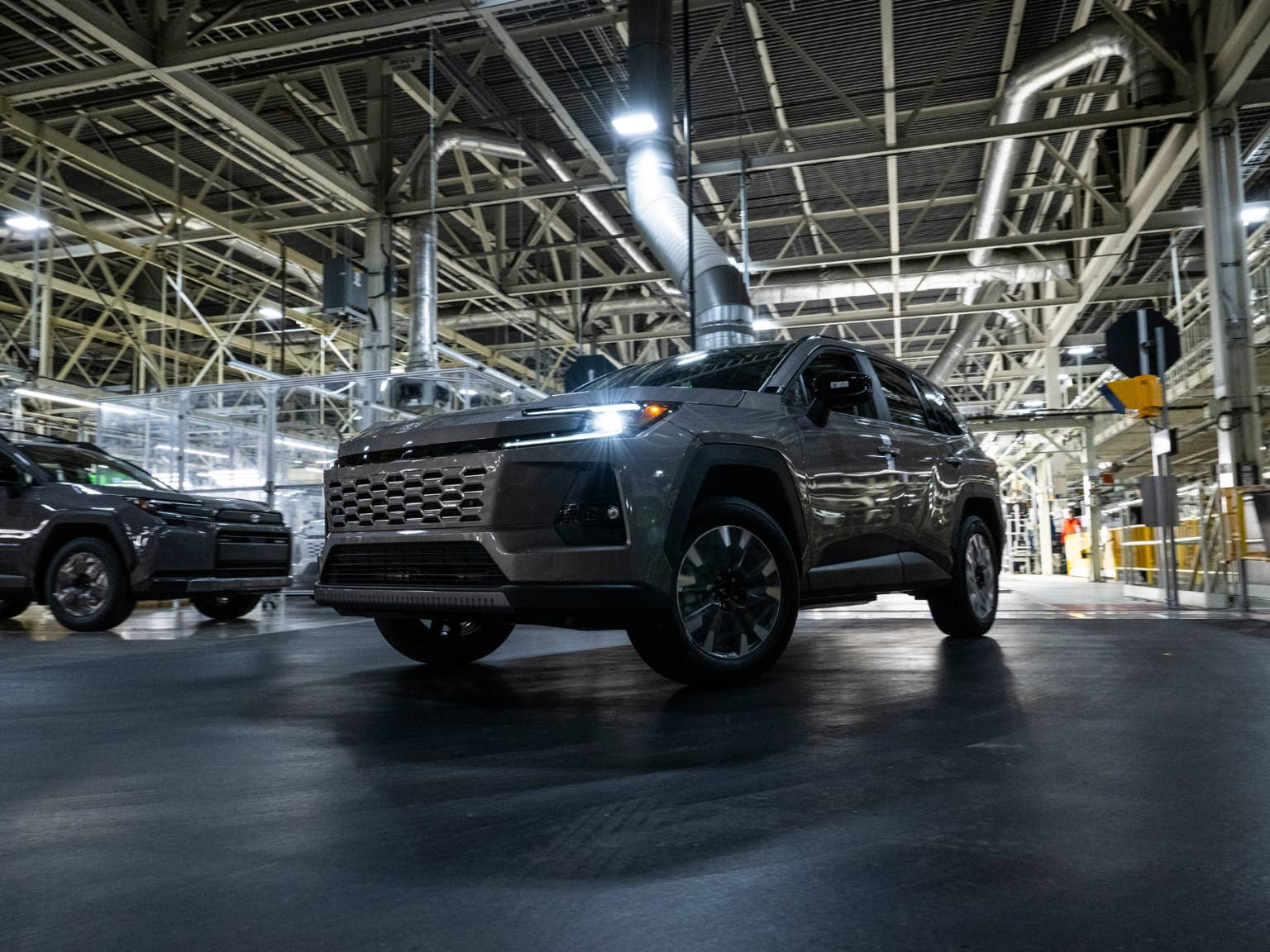
Several mainstream models are built in Canada, including the Toyota RAV4 Hybrid, Honda CR-V and Chevrolet Silverado.
Canada Threatens Dollar-for-Dollar Retaliation
Canada is threatening dollar-for-dollar retaliation against the new U.S. tariffs. Carney also promised additional measures to support Canadian workers and businesses.
The broader dispute has also drawn U.S. criticism over Canada’s decision to allow up to 49,000 Chinese-made EVs annually at a reduced 6.1% tariff.
The agreement could give automakers such as BYD and Geely a greater foothold near the U.S. market while allowing Tesla to offer lower-priced Shanghai-built models in Canada.
The latest tariff measures add another point of tension between the two countries after negotiations failed to produce an agreement.