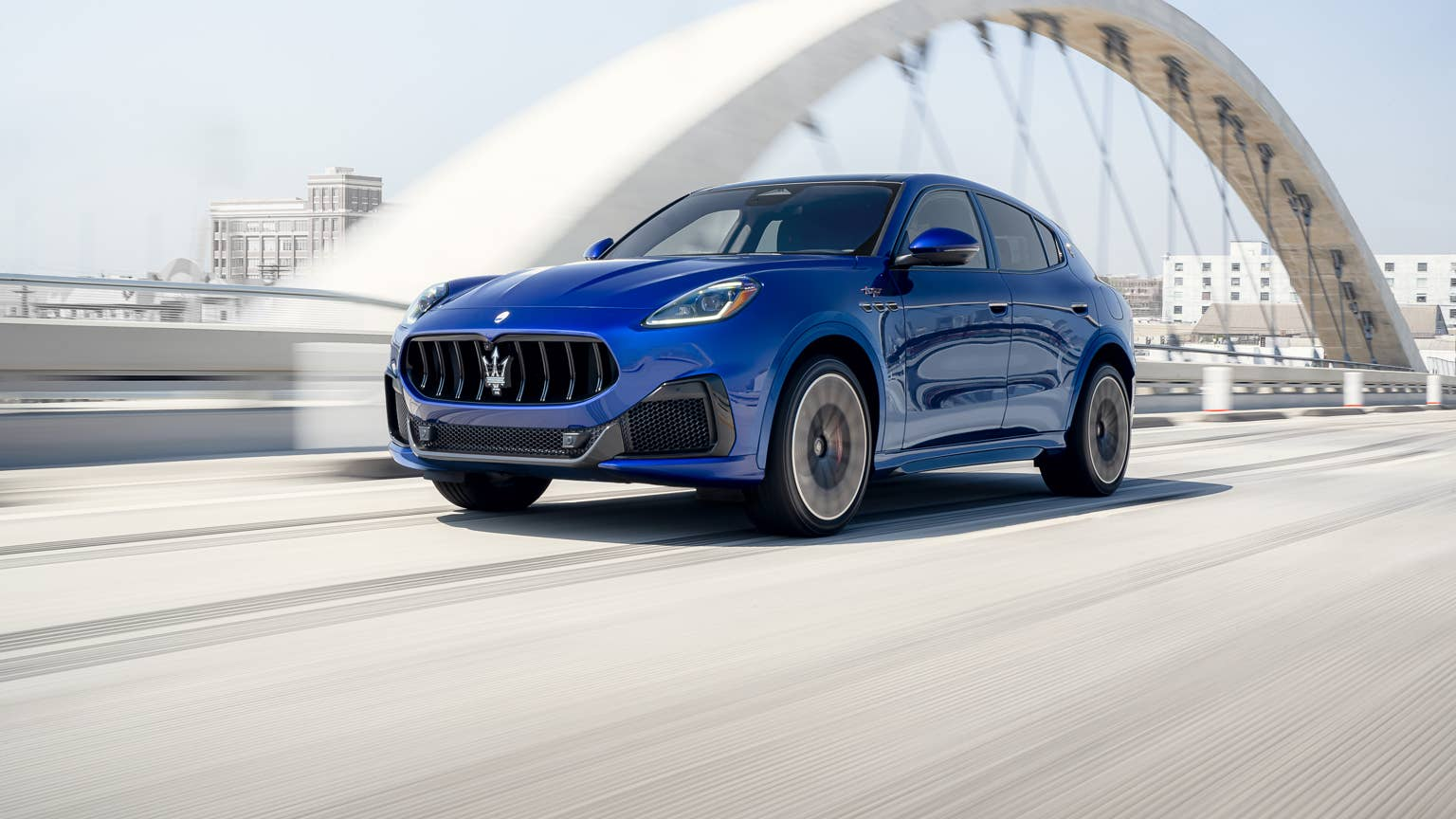
Maserati is reportedly in advanced discussions with tech giant Huawei and Chinese automaker JAC Motors over a long-term industrial partnership as Stellantis seeks to strengthen the Italian luxury brand amid mounting pressure in the global electric vehicle market.
The proposed collaboration would give Maserati access to advanced software and manufacturing capabilities while helping address significant financial losses and shrinking delivery volumes. Stellantis executives are exploring international partnerships to support future product launches and modernize the historic marque.
How China Could Reshape Maserati
According to Reuters, the proposed agreement would center on integrating Huawei’s Harmony Intelligent Mobility software platform into future Maserati vehicle architectures.
Under the framework being discussed, Huawei would provide the digital ecosystem and advanced driver-assistance systems, while JAC Motors would oversee engineering and assembly logistics. As a result, the upcoming electric model could rely heavily on an architecture developed entirely by the Chinese technology and automotive companies.
The negotiating parties are also seriously considering a dual-branding strategy. Vehicles produced through the joint venture could be sold in the Chinese domestic market under the Maextro badge, a premium label co-created by Huawei and JAC, while continuing to carry the Maserati nameplate internationally.
The approach is intended to maximize regional market penetration while allowing the companies to share the substantial research and development costs associated with luxury electric vehicles.
Stellantis Seeks Lower Electrification Costs
Stellantis views the proposed arrangement as a critical part of its broader corporate restructuring plan. Leveraging JAC Motors’ existing supply chain and production efficiency could help the conglomerate accelerate its transition to electrification and improve capacity utilization across its global footprint.
The partnership would also allow Stellantis to mitigate the financial risks involved in developing proprietary smart cabin technology from scratch.
The strategy represents a notable shift for Maserati. Although early signs suggested that recent product launches were helping stabilize the brand, aggressive global competition has prompted Stellantis to reassess the benefits of maintaining complete independence.
Stellantis leadership recognizes that the high costs of software development and battery architecture require established technology partners to remain relevant in a rapidly changing automotive landscape.
Risk of Diluting Maserati’s Italian Luxury Identity
Sharing development costs with established overseas partners could provide financial advantages, but relying on foreign technology companies also creates a potential identity challenge for an Italian heritage brand.
Maserati vehicles are purchased for their distinct driving dynamics and historical lineage rooted in Modena. If the automaker sources its underlying platform, battery architecture and digital interface externally, it risks weakening the unique characteristics that support its premium positioning.
The proposed structural shift also underscores a broader vulnerability within Stellantis’ premium portfolio. Extensive platform sharing could weaken a brand’s distinct identity and potentially make it an attractive acquisition target.
The Chinese company BYD has previously shown strong interest in acquiring an established European luxury badge to legitimize its global expansion. Stellantis therefore faces the challenge of balancing manufacturing efficiency with brand preservation as it works to protect the legacy it aims to save.