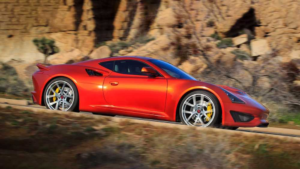

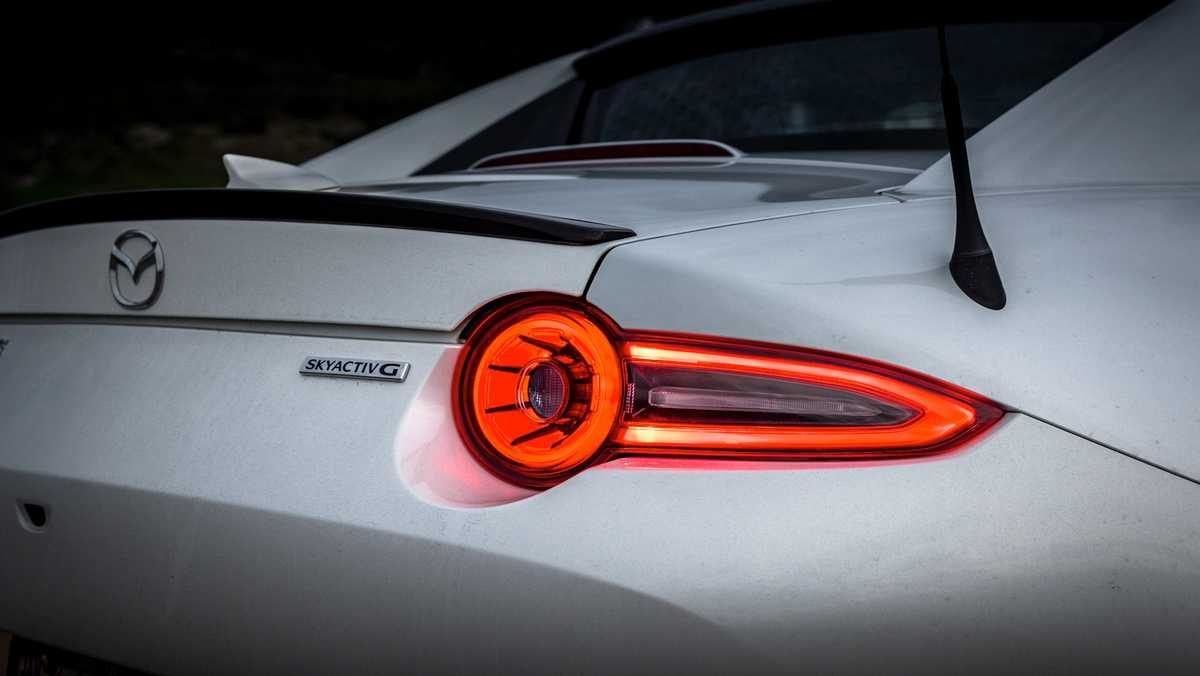
Mazda is continuing development of the fifth-generation MX-5 Miata, with a newly uncovered patent revealing a redesigned front chassis structure for the iconic sports car. The filing is not the first patent tied to the next-generation Miata, but it offers another look at how Mazda is approaching the challenges of keeping a compact, lightweight car compliant with modern safety rules.
New Miata Patent Focuses on the Front Structure
The latest patent covers the front structure of the car, including the front firewall, footwell and frame extensions running toward the nose.
Mazda is addressing the way the cowl and rear portion of the subframe interface. In current designs, the front subframe becomes larger toward the rear to help transmit loads into the chassis. However, that arrangement takes up substantial space and can interfere with water drains and cowl-mounted components such as the brake booster and windshield wipers.
Mazda’s proposed solution involves casting various structural sections rather than stamping them. Although the MX-5 Miata is a unibody vehicle, the patent refers to components that serve solely as structural elements as frame sections.
The redesigned sections would be flatter and wider rather than tall and shaped like square tubes. They would use cast-in ribs to provide the required strength. Viewed from below, the design resembles the Eiffel Tower, although the frame sections would expand into a U-shape rather than forming a complete square.
Could the Next Miata Get Butterfly Doors?
The U-shaped structure would create space for components such as the brake booster to sit inside it. Mazda describes the structure as an “apron-shaped” section, combining packaging and structural requirements in one design.
Some of the patent drawings may look familiar because Mazda has previously used versions of the same drawings in patents covering butterfly-style doors and a new method of reinforcing the wheel arch.
Butterfly-style doors would be a first for the MX-5. Mazda showed a similar door design on the Iconic SP concept revealed at the Tokyo auto show in 2023.
Whether that means the production Miata could adopt the design remains uncertain. The patent drawings provide another connection to Mazda’s previous concepts, but there is no indication in the source that the Iconic SP itself is headed for production.
Next-Generation Miata Could Cost More
The additional structural complexity and potential for new features raise questions about the next Miata’s price. The MX-5’s availability in the low-$30,000 range has helped make it an attainable sports car for many buyers.
The next Miata will almost certainly cost more than the current model, which received a small price increase for the end of the 2026 model year.
Recent ND Miata price trends show values holding steady. The 2024 and 2025 Club models have nearly identical values, with an average price of around $32,000.
That could suggest Mazda has priced its roadster relatively low. However, as of mid-September 2026, more than 1,700 new Miatas were still sitting on dealership lots.
In any case, the next-generation Miata is expected to arrive with at least a modest price increase.
Mazda Could Revive a True Hot Hatch
The Mazda Spirit Racing 3 is not a new reveal, having debuted in 2024, but it could offer a glimpse at future Mazdaspeed models.
If approved for production, a new Mazdaspeed3 or Spirit Racing 3 hatchback would compete with the Toyota GR Corolla and Honda Civic Type R. Mazda already sells a turbocharged Mazda 3 hatchback powered by a 2.5-liter turbocharged I4 producing 250 horsepower and 320 lb-ft of torque.
The proposed performance formula would include standard all-wheel drive, more than 300 horsepower, stiffer suspension and cosmetic upgrades.
Mazda Spirit Racing models are already available in Japan, including a variant based on the MX-5 Miata. The Mazda Spirit Racing Roadster 12R is the first Miata to produce 200 horsepower from the factory.
The brand is unlikely to bring Mazda Spirit Racing to the United States, but the Japanese models offer another indication of the performance direction being explored by Mazda.