
Finding the Best Small SUV in 2026 is less about choosing the vehicle with the lowest sticker price and more about figuring out which model gives you the most useful features, safety equipment, space, efficiency and capability for your money. The choices range from affordable subcompact SUVs such as the Honda HR-V and Hyundai Kona to larger compact models such as the Kia Sportage, Subaru Forester and Honda CR-V.
For shoppers focused on value, the 2026 Kia Sportage stands out with a starting price below $30,000 and a generous list of standard equipment. The Subaru Forester brings standard all-wheel drive, strong safety credentials and useful ground clearance, while the Mazda CX-30 appeals to drivers who want a smaller SUV with sharper handling and an upscale cabin.
But there is no single small SUV that makes sense for every buyer. A city commuter may value compact dimensions and easy parking, while a family may care more about rear-seat room and cargo capacity. Drivers in snowy areas may put standard AWD near the top of their list, while high-mileage commuters may find a hybrid powertrain more important than a low initial price.
Here is how the leading 2026 small SUVs compare on price, safety, practicality, driving experience and overall value.
Best Small SUV 2026: Quick Comparison
The following models cover several different interpretations of value. Rather than treating one vehicle as the universal winner, this guide matches each SUV with the type of buyer it serves particularly well.
| Model | Best For | Starting Price / Position | Key Strength | Main Drawback |
|---|---|---|---|---|
| Kia Sportage | Overall value | From $28,790 | Standard equipment and space | Slow base engine |
| Subaru Forester | Safety and AWD | Around $30,000 | Standard AWD and ground clearance | Slow acceleration |
| Mazda CX-30 | Driving enthusiasts | Below CX-50 positioning | Handling and upscale cabin | Small rear seat |
| Honda CR-V | Families | From $30,920 | Space and comfort | Higher entry price |
| Honda HR-V | Urban driving | Upper-$20,000 range | Compact size and practicality | Limited power |
| Mazda CX-50 | Premium-feeling value | From $29,900 | Standard AWD and interior quality | Cargo space trails some rivals |
| Hyundai Kona | Affordable safety | Among the lower-priced choices | Technology and safety | Limited rear-seat and cargo room |
1. Kia Sportage: Best Overall Value
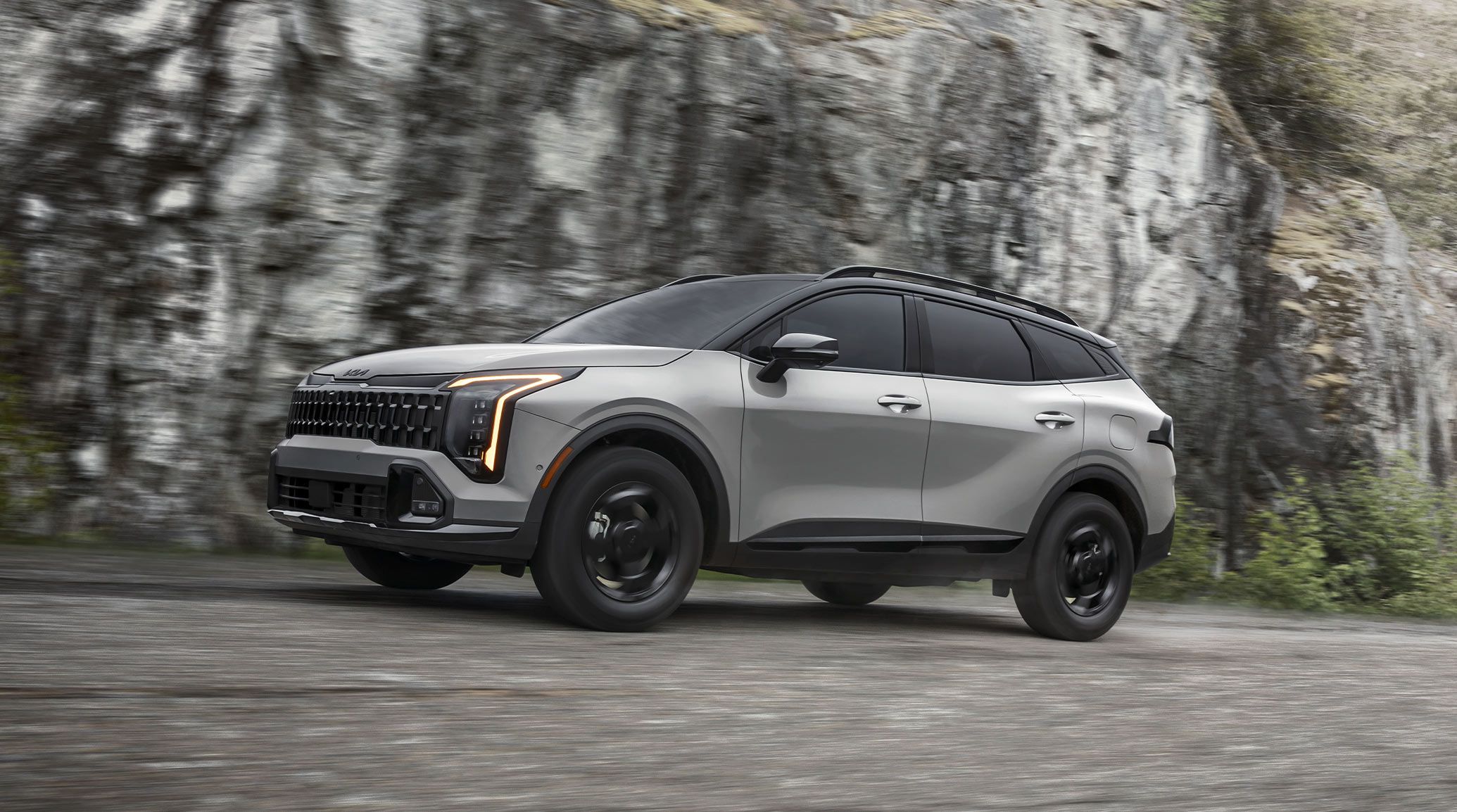
The 2026 Kia Sportage makes a strong case for shoppers who want to stretch their SUV budget without giving up technology or interior space. Its starting price of $28,790 before taxes and fees keeps it below the $30,000 threshold, while its standard equipment gives the entry-level model considerable appeal.
USA Today identified the Sportage as its best affordable small SUV for 2026, highlighting its price and standard features, including dual 12.3-inch displays, wireless smartphone integration and parking sensors.
The Sportage also has an important advantage for buyers who regularly carry passengers or cargo: its cabin is among the roomiest in the segment. Edmunds cites nearly 40 cubic feet of cargo capacity.
Pros
- Competitive starting price.
- Large cabin and useful cargo capacity.
- Strong standard infotainment and smartphone connectivity.
- Available hybrid versions.
- IIHS Top Safety Pick+ recognition for eligible vehicles.
Cons
- Gasoline engine is slow.
- Maximum fuel economy is about 28 mpg combined.
- Hybrid versions cost more initially.
The biggest compromise is performance. Edmunds describes the gasoline Sportage as relatively relaxed in acceleration and says its fuel economy is average for the class. That matters if you regularly merge onto busy highways or carry a full load.
For buyers who prioritize equipment, passenger space and purchase value over acceleration, however, the Sportage is one of the most compelling choices in the segment.
2. Subaru Forester: Best for Safety and Standard AWD

The 2026 Subaru Forester takes a different approach to value. Instead of concentrating primarily on the amount of technology included for the starting price, Subaru emphasizes standard all-wheel drive, ground clearance, visibility and versatility.
That combination makes the Forester particularly relevant to buyers who live in areas with snow, poor roads or occasional light off-road driving.
The Forester’s upright shape also makes it practical. Its visibility and cargo usability are important advantages for families and outdoor-oriented owners who need to carry larger items.
Pros
- Standard all-wheel drive.
- Strong crash-test performance.
- Excellent visibility.
- Useful cargo area.
- Generous ground clearance.
- Available Wilderness and hybrid variants.
Cons
- Non-hybrid version is slow.
- Real-world fuel economy can fall below the EPA estimate.
- Technology is less modern than some competitors.
Edmunds recorded a 9.2-second 0-to-60-mph time for the non-hybrid Forester and reported approximately 25 mpg during its testing, compared with a maximum EPA estimate of 29 mpg combined.
The Forester therefore makes the most sense when AWD, safety and versatility are more important than quick acceleration or the latest cabin technology.
3. Mazda CX-30: Best Small SUV for Driving Enthusiasts
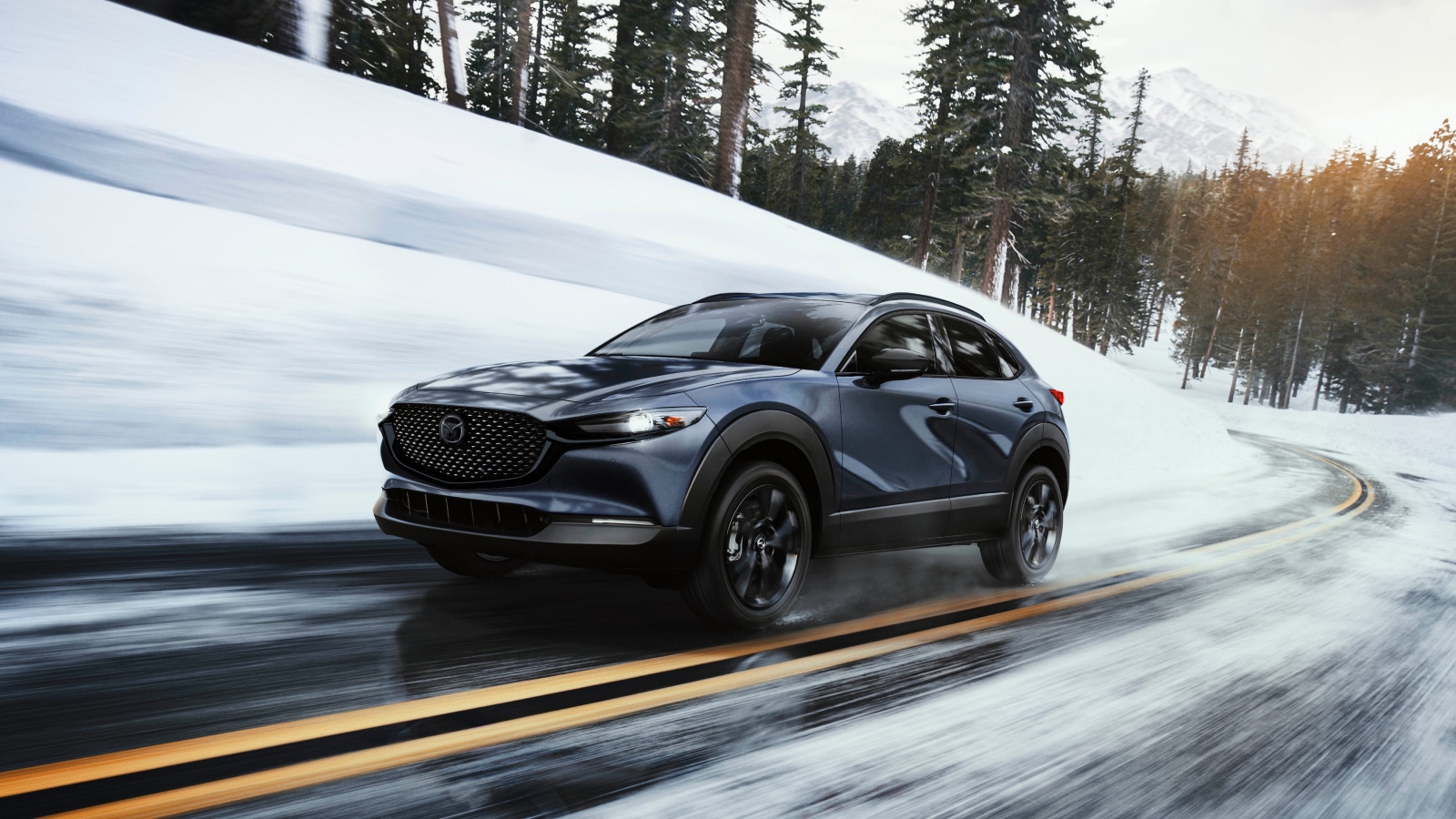
The Mazda CX-30 occupies an interesting position among small SUVs. Its compact dimensions make it easy to maneuver in urban environments, but its interior and driving characteristics give it a more premium character than its size might suggest.
For drivers who find many small SUVs too utilitarian, the CX-30 provides an alternative. Its steering and handling are among its biggest attractions, while an available turbocharged engine adds substantially more performance.
Pros
- Upscale cabin.
- Responsive steering.
- Agile handling.
- Available turbocharged engine.
- Strong safety credentials.
- Easy to park in cities.
Cons
- Tight rear seat.
- Smaller cargo area than larger compact SUVs.
- Turbo models sacrifice some fuel economy.
- Ride can feel firm.
Edmunds reports that the turbocharged CX-30 can reach 60 mph in 6.4 seconds. That makes it one of the quicker vehicles in its segment, although the turbo version returns about 25 mpg combined.
This is not necessarily the SUV for a buyer who needs maximum interior space. Instead, it is aimed at someone who wants a small, easy-to-park vehicle without giving up the enjoyment of driving.
4. Honda CR-V: Best Family-Friendly Choice
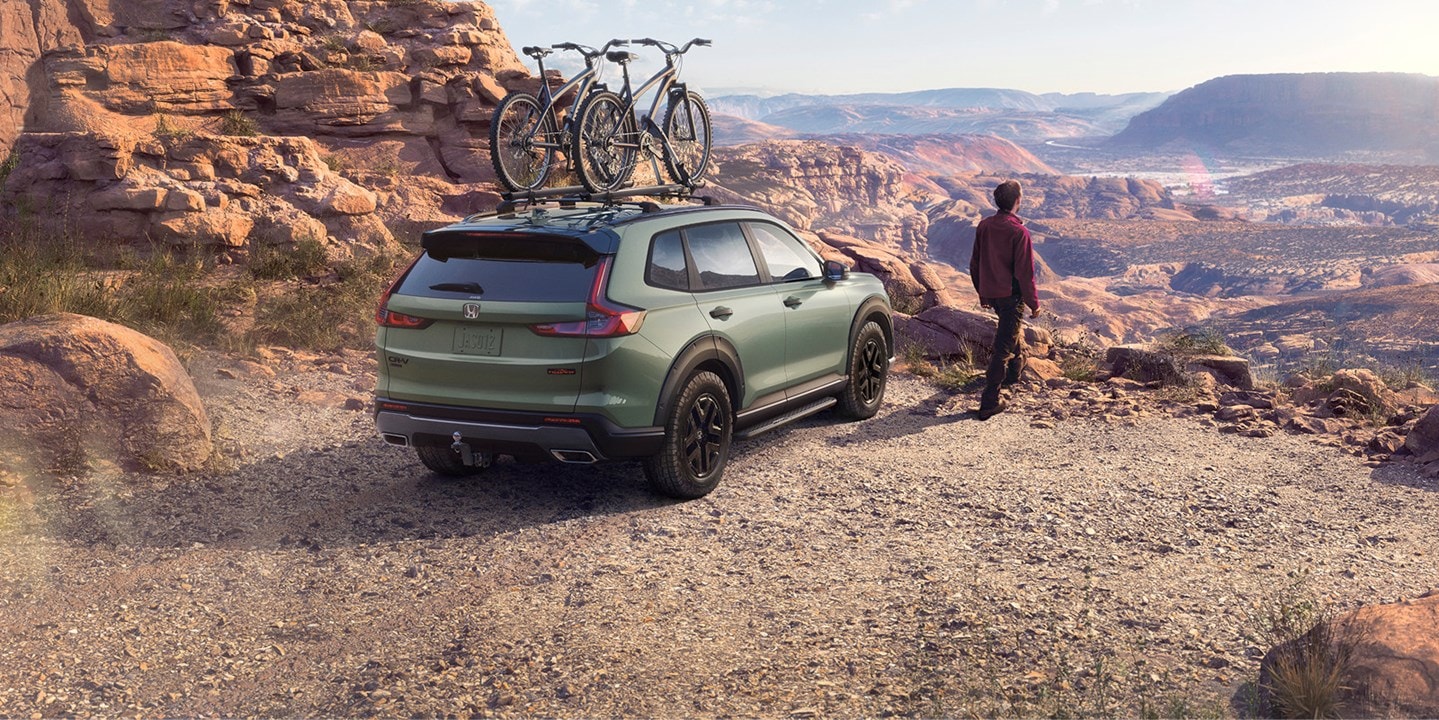
The Honda CR-V remains one of the most straightforward choices for families shopping in this category. It combines passenger space, a comfortable ride, useful cargo capacity and an available hybrid powertrain.
USA Today identified the CR-V as the best-selling small SUV in its 2026 coverage, citing more than 226,000 units based on the sales figures available for that article.
The CR-V does not necessarily win every price or equipment comparison. Its starting price of $30,920 is higher than the Sportage’s entry point. But the value equation is broader than MSRP alone.
Pros
- Spacious cabin.
- Comfortable ride.
- Useful cargo area.
- Available hybrid powertrain.
- Established reputation for everyday dependability.
- Strong resale appeal.
Cons
- Higher starting price than the Kia Sportage.
- Base versions may offer less feature value than some Kia or Hyundai models.
- Hybrid versions require a higher initial investment.
For families, the CR-V’s strongest argument is balance. Buyers who routinely carry children, groceries, luggage or other cargo may place greater value on interior usability than on having the lowest possible purchase price.
5. Honda HR-V: Best Small SUV for Urban Drivers

The Honda HR-V is designed around a different kind of buyer. Its smaller footprint makes it easier to maneuver and park, which can be a significant advantage for drivers living in dense urban areas.
Its practical seating arrangement also helps it make better use of its compact dimensions. Edmunds reports 24.4 cubic feet of cargo space and describes the HR-V as safe, practical and easy to drive.
Pros
- Easy to maneuver and park.
- Practical fold-flat rear seats.
- Strong safety credentials.
- Comfortable ride.
- Lower cost than many larger compact SUVs.
Cons
- Slow acceleration.
- Limited power when carrying passengers or cargo.
- Less interior room than the CR-V.
- Fuel economy is adequate rather than exceptional.
The HR-V can be a sensible solution for a buyer who does not need the larger dimensions of a CR-V or Sportage. Its limitations become more noticeable when the vehicle is heavily loaded.
6. Mazda CX-50: Best Premium-Feeling Value
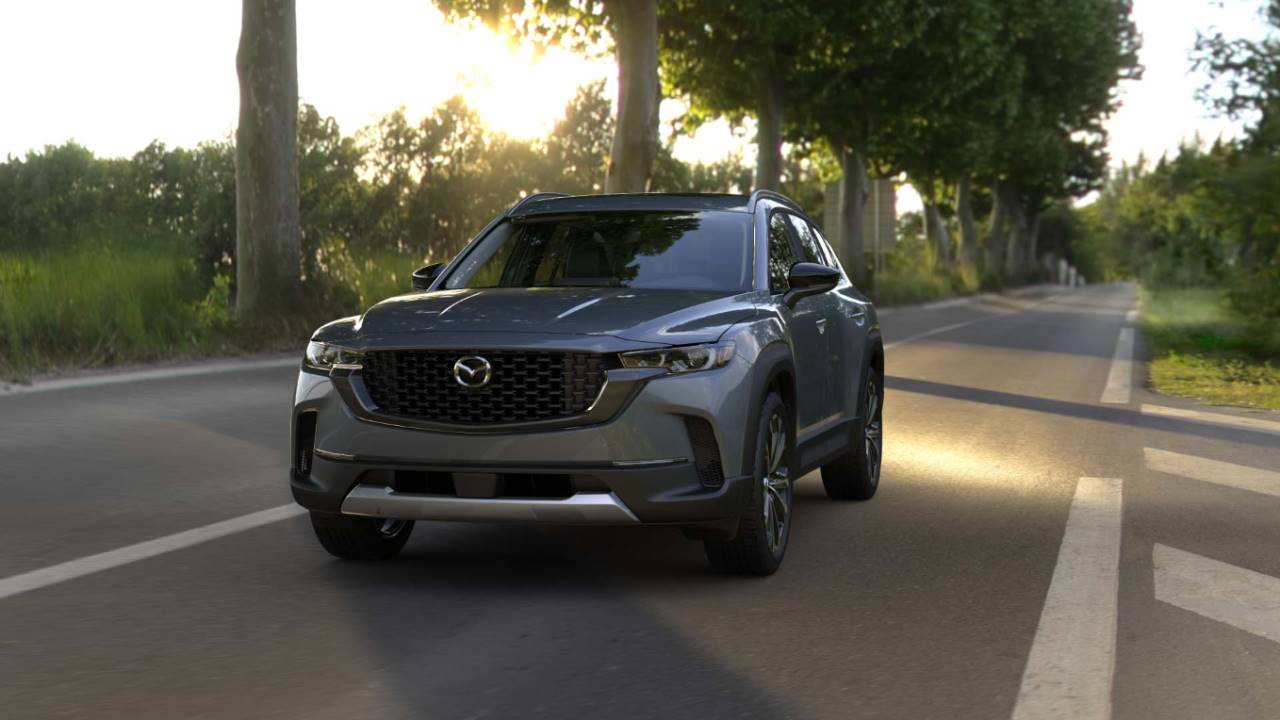
The Mazda CX-50 gives shoppers a way to move toward a more upscale SUV experience without entering a luxury brand showroom.
Its $29,900 starting price puts it close to the Sportage, while standard all-wheel drive gives it a feature advantage for buyers who specifically want AWD without making it an expensive option.
Pros
- Standard all-wheel drive.
- High-quality interior materials.
- Enjoyable handling.
- Available turbocharged engine.
- Premium-feeling cabin.
Cons
- Cargo capacity trails some competitors.
- Rear-seat room is not class-leading.
- Fuel economy is average.
- Higher trims can become expensive.
USA Today describes the CX-50 as one of the more premium-feeling mainstream SUVs in its class, while Edmunds reports 31.4 cubic feet of cargo capacity and a maximum towing capacity of 3,500 pounds.
The CX-50 therefore makes sense for shoppers who want standard AWD and a more upscale interior without moving to a luxury SUV.
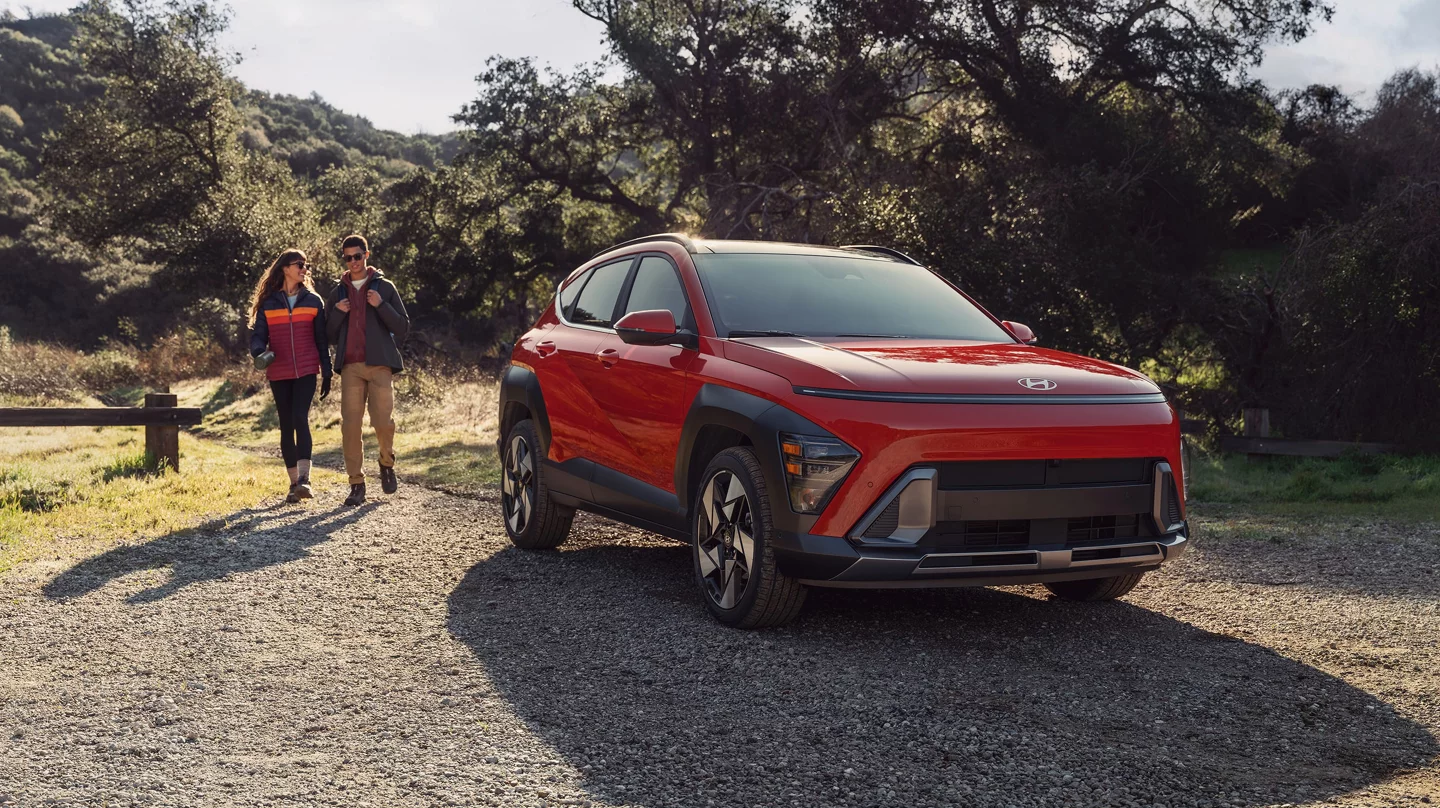
7. Hyundai Kona: Best Affordable Safety Pick

The Hyundai Kona rounds out the list with a strong combination of compact dimensions, technology and safety credentials.
It is particularly interesting for shoppers who want a smaller vehicle but do not want to sacrifice modern equipment. The 2026 Kona is included on the IIHS Top Safety Pick+ list.
Its smaller size is both an advantage and a limitation. It is convenient in crowded areas, but rear-seat and cargo space are not comparable with larger models such as the Sportage, Tucson, CR-V or Forester.
That makes the Kona a natural fit for singles, couples and smaller households that spend more time commuting than hauling large amounts of cargo.
How Safe Are the Best Small SUVs in 2026?
Safety has become one of the most important parts of the small-SUV value equation. A low MSRP is less meaningful if a vehicle lacks important driver-assistance or crash-protection features.
The 2026 IIHS Top Safety Pick+ small-SUV list includes the Honda HR-V, Hyundai Kona, Hyundai Tucson, Kia Sportage, Mazda CX-30, Mazda CX-5, Mazda CX-50 and Subaru Forester. The Sportage award applies to vehicles built after May 2025.
The IIHS criteria have also become more demanding. Current testing considers small-overlap, moderate-overlap and side crash performance, as well as headlights, pedestrian front crash prevention and vehicle-to-vehicle front crash prevention.
That means shoppers should look beyond a simple safety label and verify the specific vehicle, production date and equipment before buying.
Fuel Economy: Which Small SUV Uses the Least Gas?
Fuel economy can significantly change the long-term cost of owning an SUV. A vehicle that costs slightly more at purchase may make financial sense if it uses less fuel over thousands of miles each year.
EPA ratings vary according to drivetrain and trim, so buyers should verify the exact configuration on FuelEconomy.gov. The EPA’s combined MPG calculation weights city driving at 55% and highway driving at 45%.
Useful reference points from the research include:
- Honda HR-V: Maximum EPA rating of 28 mpg combined.
- Mazda CX-30: About 27 mpg combined with the base engine and 25 mpg with the turbo.
- Hyundai Tucson: Approximately 26–28 mpg combined for gasoline versions.
- Kia Sportage: Maximum of about 28 mpg combined.
- Subaru Forester: Maximum EPA estimate of 29 mpg combined.
- Subaru Forester Hybrid: Expected around 35 mpg combined, although Edmunds had not completed testing of the hybrid version at the time of the research.
For a high-mileage driver, fuel economy deserves to be considered alongside the purchase price rather than treated as a separate issue.
Small SUV vs. Subcompact SUV: What’s the Difference?
The phrase “small SUV” can cover more than one vehicle class.
Subcompact SUVs such as the Honda HR-V, Hyundai Kona and Mazda CX-30 are generally easier to maneuver and park. Their smaller dimensions can make them attractive to city drivers, but rear-seat and cargo space can be limited.
Compact SUVs such as the Kia Sportage, Mazda CX-50, Subaru Forester and Honda CR-V offer more room. They are usually better suited to families or buyers who frequently carry passengers and cargo.
Before choosing a vehicle, consider how often you actually use the available space. A smaller SUV can be more convenient if most trips involve one or two people, while a larger compact model can justify its higher purchase price if it eliminates the need to compromise on passenger or cargo capacity.
What Should You Look for When Buying a Small SUV?
The cheapest SUV is not necessarily the best value. A more useful approach is to calculate the total ownership proposition.
- Compare the real purchase price.Look beyond the advertised MSRP. Destination charges, taxes, dealer fees, options and AWD can materially change the final amount.
- Check standard equipment.Two SUVs with similar starting prices can have very different equipment levels. Features such as infotainment, smartphone integration, parking sensors and driver assistance can affect the value of the base trim.
- Match the drivetrain to your driving.AWD can be useful in snow, on gravel or on steep roads, but it can add cost and weight. For many urban drivers in warm climates, front-wheel drive may be sufficient.
- Consider fuel costs.If you drive a high number of miles each year, even a modest difference in fuel economy can add up.
- Check the exact safety rating.Safety awards can depend on trim, equipment and production date. Verify the vehicle you are actually purchasing.
- Think about future needs.A vehicle that feels perfectly sized today may become frustrating if your household grows or your cargo requirements change.
- Compare insurance and ownership costs.A lower purchase price does not automatically mean lower insurance premiums. Rates depend on the driver, location, claims history, repair costs, theft rates, safety equipment and vehicle value.
Which Small SUV Is Right for You?
The best choice depends on what “value” means in your particular situation.
If You Want the Most Equipment for the Money
The Kia Sportage is the model to investigate first. Its sub-$30,000 starting price and generous standard equipment make it particularly compelling for feature-focused shoppers.
If Safety and Standard AWD Matter Most
The Subaru Forester deserves close consideration. Its standard AWD, ground clearance, visibility and safety credentials make it especially relevant to drivers who regularly encounter challenging road conditions.
If You Want an Engaging Driving Experience
The Mazda CX-30 is the more natural fit. Its compact size, responsive handling and available turbocharged engine separate it from more utility-focused rivals.
If You Are Buying for a Family
The Honda CR-V offers a balanced combination of passenger room, comfort, cargo usability and available hybrid power.
If You Mainly Drive in the City
The Honda HR-V and Hyundai Kona deserve attention because their smaller dimensions can make everyday parking and maneuvering easier.
If You Want a Premium Feel Without a Luxury Badge
The Mazda CX-50 combines standard AWD, an upscale interior and engaging handling in a mainstream package.
Are Small SUVs a Good Value in 2026?
For many buyers, yes—but value depends on how the SUV will actually be used.
Small SUVs offer a useful middle ground between sedans and larger SUVs. They provide a higher seating position, flexible cargo space and available AWD while remaining easier to maneuver than many midsize vehicles.
There are trade-offs. Some small SUVs consume more fuel than similarly sized cars, while subcompact models can have tight rear seats. AWD can increase the purchase price and fuel consumption, and popular models may sometimes face limited discounts or dealer markups.
Insurance, tires and repair expenses also deserve attention. The vehicle with the lowest MSRP is not automatically the vehicle with the lowest total cost of ownership.
That is why comparing the entire ownership picture—purchase price, equipment, fuel economy, insurance, practicality and expected usage—is more useful than looking at one number.
Frequently Asked Questions About the Best Small SUV 2026
What is the best small SUV for the money in 2026?
The Kia Sportage is a strong value-focused choice because its 2026 starting price is below $30,000 and it includes substantial standard technology and convenience equipment. Buyers who need a smaller vehicle may prefer the Hyundai Kona or Honda HR-V.
Which small SUV has the best safety rating?
The Subaru Forester is a leading safety recommendation from Edmunds. The 2026 IIHS Top Safety Pick+ small-SUV list also includes the Honda HR-V, Hyundai Kona, Kia Sportage, Mazda CX-30 and Mazda CX-50, among others.
Is the Kia Sportage better than the Honda CR-V?
The Sportage offers a lower starting price and substantial standard equipment, while the CR-V emphasizes passenger space, comfort, practicality and an available hybrid powertrain. The better fit depends on which characteristics matter most to the buyer.
Which small SUV gets the best gas mileage?
Fuel economy depends on the exact trim and powertrain. Gasoline models such as the Honda HR-V, Kia Sportage, Hyundai Tucson and Subaru Forester generally reach the high-20s in combined MPG, while hybrid versions can achieve substantially better efficiency. Buyers should verify the exact vehicle on FuelEconomy.gov.
Is AWD worth paying for?
AWD can be useful for drivers who regularly encounter snow, steep roads, gravel or muddy surfaces. It is less essential for many urban drivers in warm climates, and it can add cost, weight and fuel consumption.
Which small SUV has the most cargo space?
The Kia Sportage and Hyundai Tucson are among the roomier mainstream choices. The Subaru Forester’s upright design also provides highly usable cargo space, although published measurements can vary according to testing methods.
What is the safest affordable small SUV?
The Hyundai Kona, Honda HR-V, Kia Sportage and Subaru Forester are notable candidates because they combine mainstream positioning with IIHS Top Safety Pick+ recognition. Buyers should verify the specific trim, build date and safety equipment.
Should I buy a hybrid small SUV in 2026?
A hybrid can make sense for drivers with high annual mileage, frequent city driving or high fuel costs. Compare the hybrid’s additional purchase price with expected fuel savings and check whether applicable incentives are available.
Are small SUVs cheaper to insure?
Not automatically. Insurance premiums depend on factors including the driver, location, claims history, repair costs, theft rates, safety equipment and vehicle value. A lower purchase price does not guarantee a lower insurance premium.
Bottom Line: Choosing the Best Small SUV in 2026
The Best Small SUV depends on the priorities behind the purchase. The Kia Sportage stands out for shoppers focused on standard equipment, cabin space and upfront value. The Subaru Forester is particularly suited to drivers who value standard AWD, safety and capability. The Mazda CX-30 brings a more engaging driving experience to the subcompact category, while the Honda CR-V remains a practical family-oriented choice.
The Honda HR-V and Hyundai Kona make sense for buyers who prioritize compact dimensions, while the Mazda CX-50 provides an upscale-feeling alternative with standard AWD.
Ultimately, the smartest purchase is the one that matches the vehicle to the driver’s actual needs. Compare the complete price, equipment, fuel economy, safety credentials, cargo requirements and ownership costs before signing a deal.