
Electric Cars 2026 Price has become one of the most important automotive search topics in the United States as buyers navigate a rapidly changing electric vehicle market. With federal tax credits expired, rising competition among automakers, and a wave of new affordable models entering the market, 2026 is shaping up to be a turning point for EV affordability and adoption.
Unlike earlier years when electric vehicles were largely premium products, the 2026 market is defined by price compression, aggressive incentives, and mainstream adoption. Consumers are no longer asking whether EVs are available—they are asking which electric car delivers the best value for money.
This in-depth guide explores Electric Cars 2026 Price trends, best deals, model comparisons, ownership costs, and expert insights to help American buyers make informed decisions.
1. The State of the Electric Vehicle Market in 2026
The global EV market has crossed a major milestone, with more than 20 million electric vehicles sold worldwide in 2025. However, growth patterns are shifting.
In the United States, EVs account for approximately 5.8% of new car sales in early 2026. While this represents continued growth, the pace has slowed compared to previous years due to economic pressure, infrastructure challenges, and policy changes.
Despite this slowdown, the competitive environment has intensified. Automakers are now focused on affordability, profitability, and scaling production efficiently rather than simply expanding market share.
This shift directly benefits consumers searching for Electric Cars 2026 Price information, as manufacturers are offering more aggressive discounts and financing deals.
2. Electric Cars 2026 Price Trends Explained
The most surprising development in the Electric Cars 2026 Price landscape is not rising costs—but price stabilization and increased discounting.
Several key trends are shaping the market:
- Manufacturer Incentives: Automakers are offering direct cash rebates instead of relying on federal tax credits.
- Dealer Discounts: Inventory pressure has led to significant markdowns on many EV models.
- Leasing Growth: Low monthly lease offers are making EVs more accessible than ever.
- Battery Cost Reduction: Improvements in battery production have helped reduce overall vehicle costs.
- Market Competition: New entrants are forcing established brands to lower prices.
While the average new car price in the U.S. is around $50,000, many EVs are now available below this threshold, making electric vehicles increasingly competitive with gasoline cars.
3. Affordable Electric Cars in 2026
Budget-friendly EVs are now a major segment of the market. Several models stand out for their value, performance, and pricing.
Chevrolet Bolt EV (Return Model)
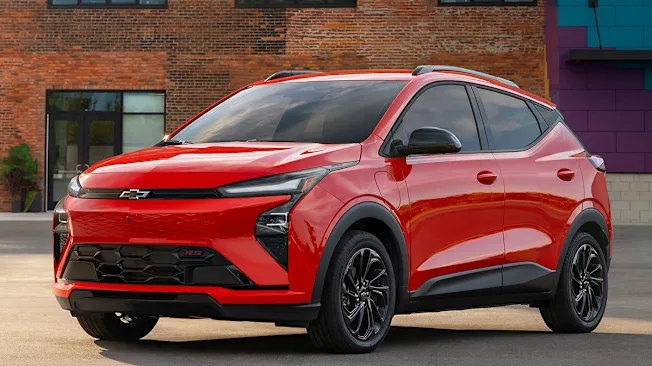
The Chevrolet Bolt has re-emerged as one of the most affordable EVs in America. With a projected price range of $24,000 to $30,000, it undercuts many competitors while maintaining practicality for daily commuting.
Its affordability makes it a key player in reshaping Electric Cars 2026 Price expectations for entry-level buyers.
Tesla Model 3
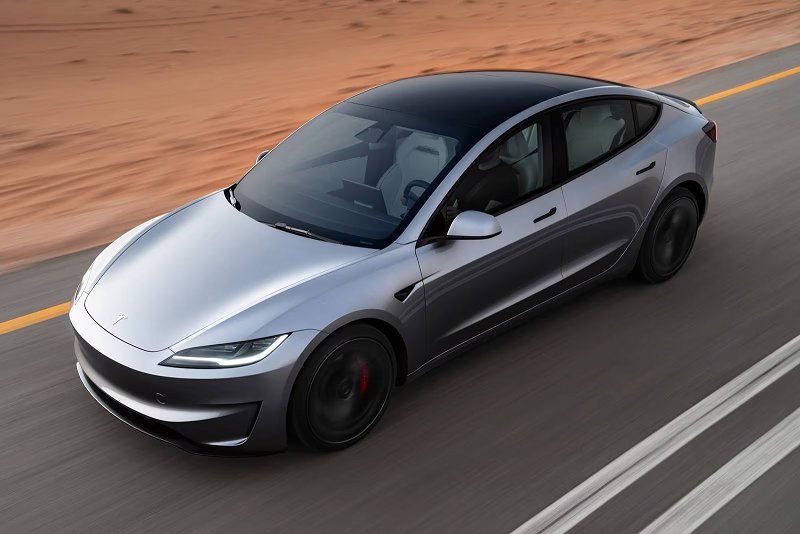
Priced around $38,000, the Tesla Model 3 remains one of the most influential electric vehicles on the market.
Key advantages include:
- Strong charging network access
- Advanced software ecosystem
- Competitive driving range
- High resale value compared to competitors
Subaru Uncharted
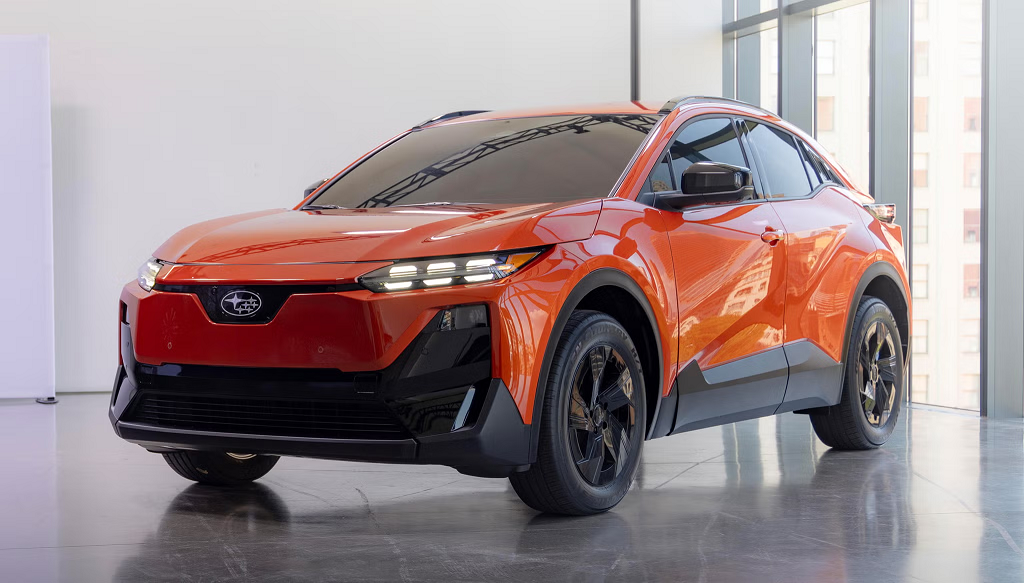
The Subaru Uncharted enters the EV market with a starting price of approximately $36,445 and an estimated range of 308 miles.
It targets buyers who want a balance between affordability, practicality, and all-weather capability.
Toyota bZ Series
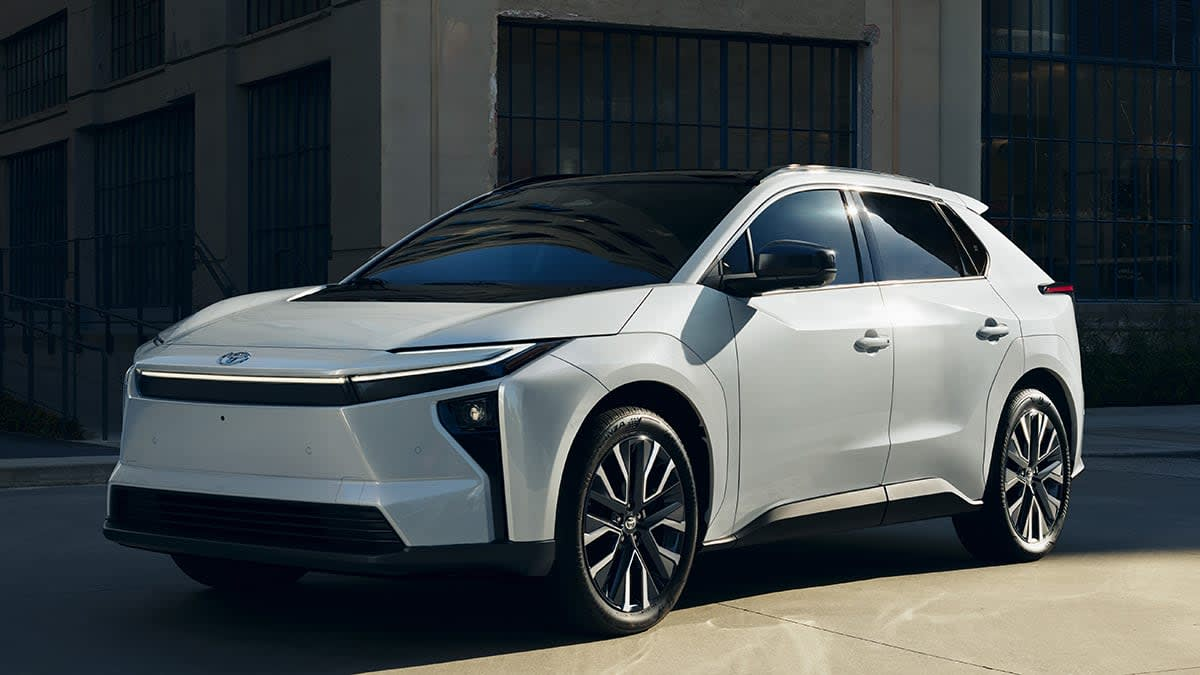
Toyota continues its cautious but steady expansion into the EV space. The bZ lineup focuses on reliability, efficiency, and accessible pricing for mainstream buyers.
4. Best Electric SUV Deals in 2026
Electric SUVs are the fastest-growing segment in the EV market, particularly in the United States where demand for larger vehicles remains strong.
Hyundai IONIQ 5
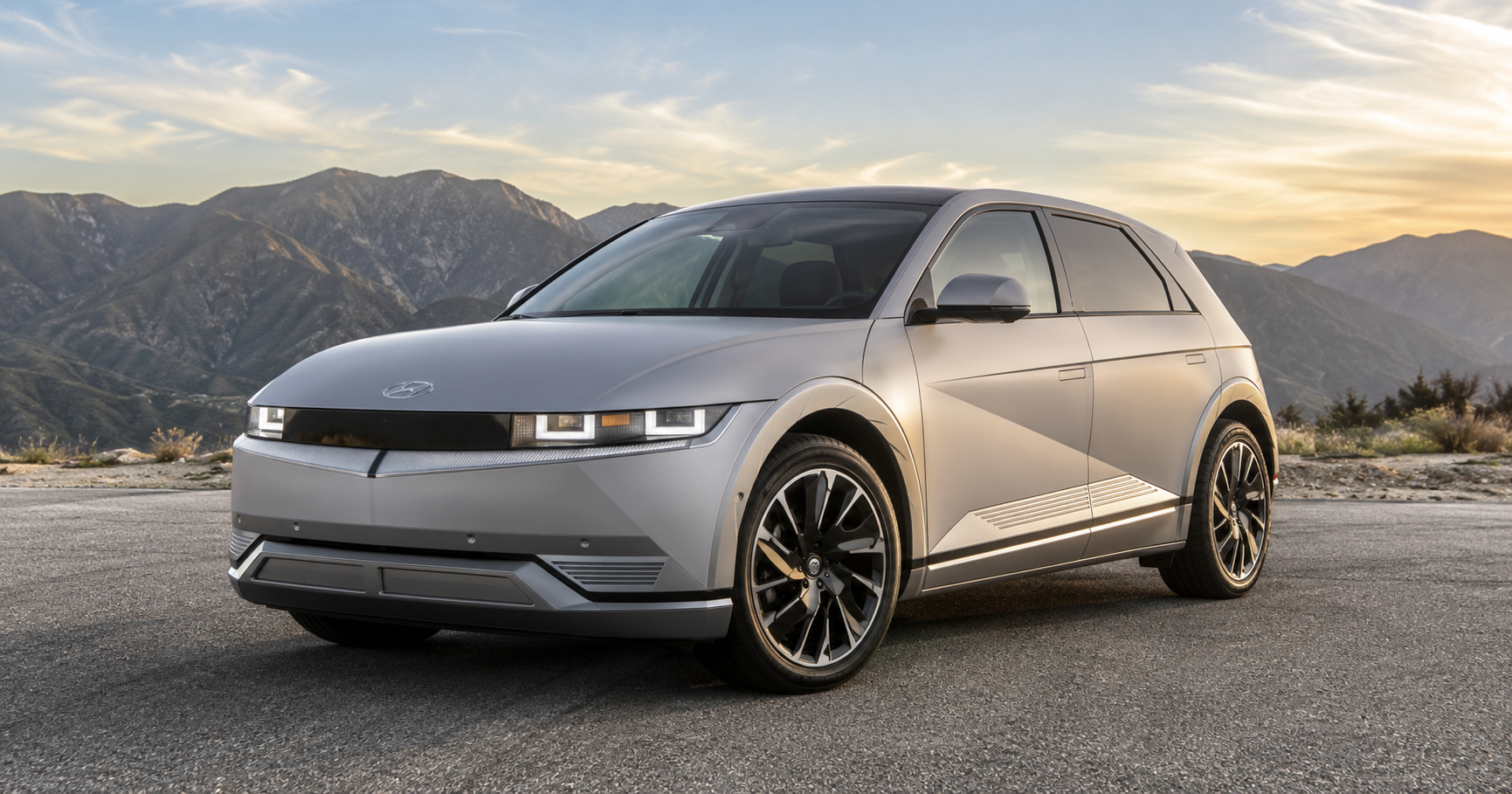
The IONIQ 5 remains one of the most balanced EVs available, offering strong performance and modern design.
- Approx. MSRP: $39,100
- Lease deals: Around $269/month
- Fast charging capability
- Spacious interior design

The Kia EV9 is one of the most important electric SUVs for families. With aggressive incentives exceeding $10,000 in some markets, it has become significantly more affordable.
Its three-row configuration makes it ideal for larger households transitioning to electric mobility.
Honda Prologue
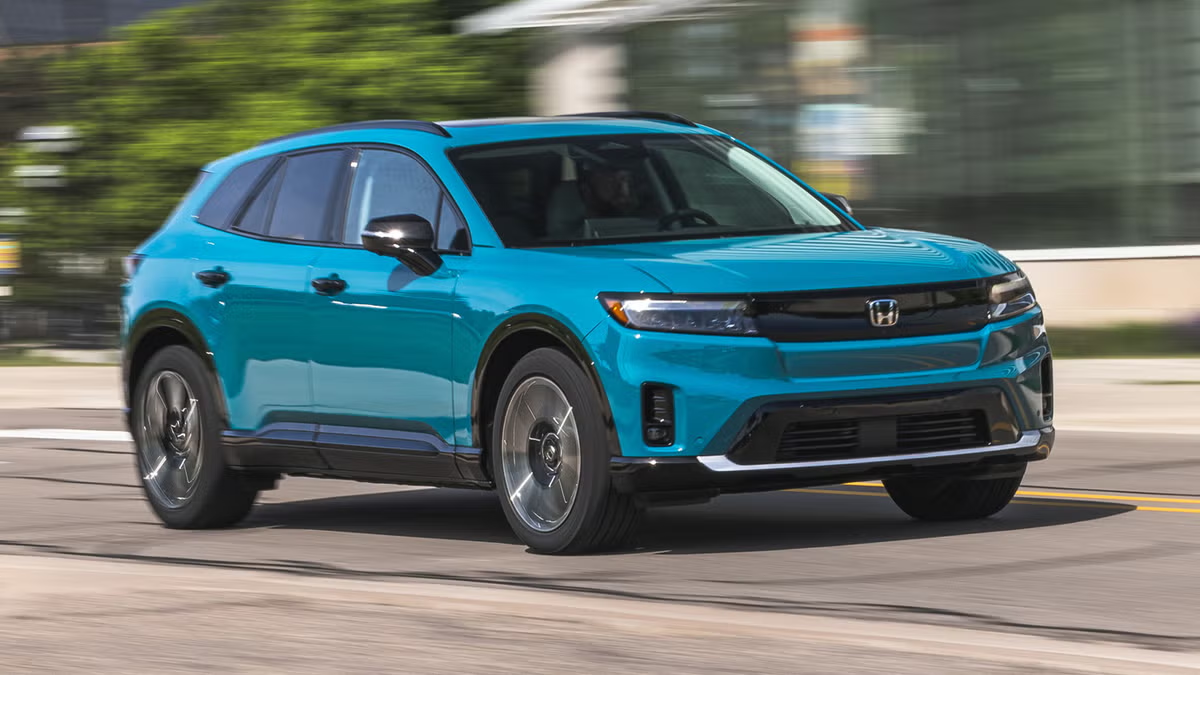
The Honda Prologue is experiencing some of the strongest discounting in the EV market, with prices in some regions dropping into the mid-$30,000 range.
This makes it one of the most compelling value SUVs in the Electric Cars 2026 Price category.
5. Luxury Electric Vehicles in 2026
While affordability is expanding, the luxury EV segment continues to push technological boundaries.
Porsche Cayenne Electric
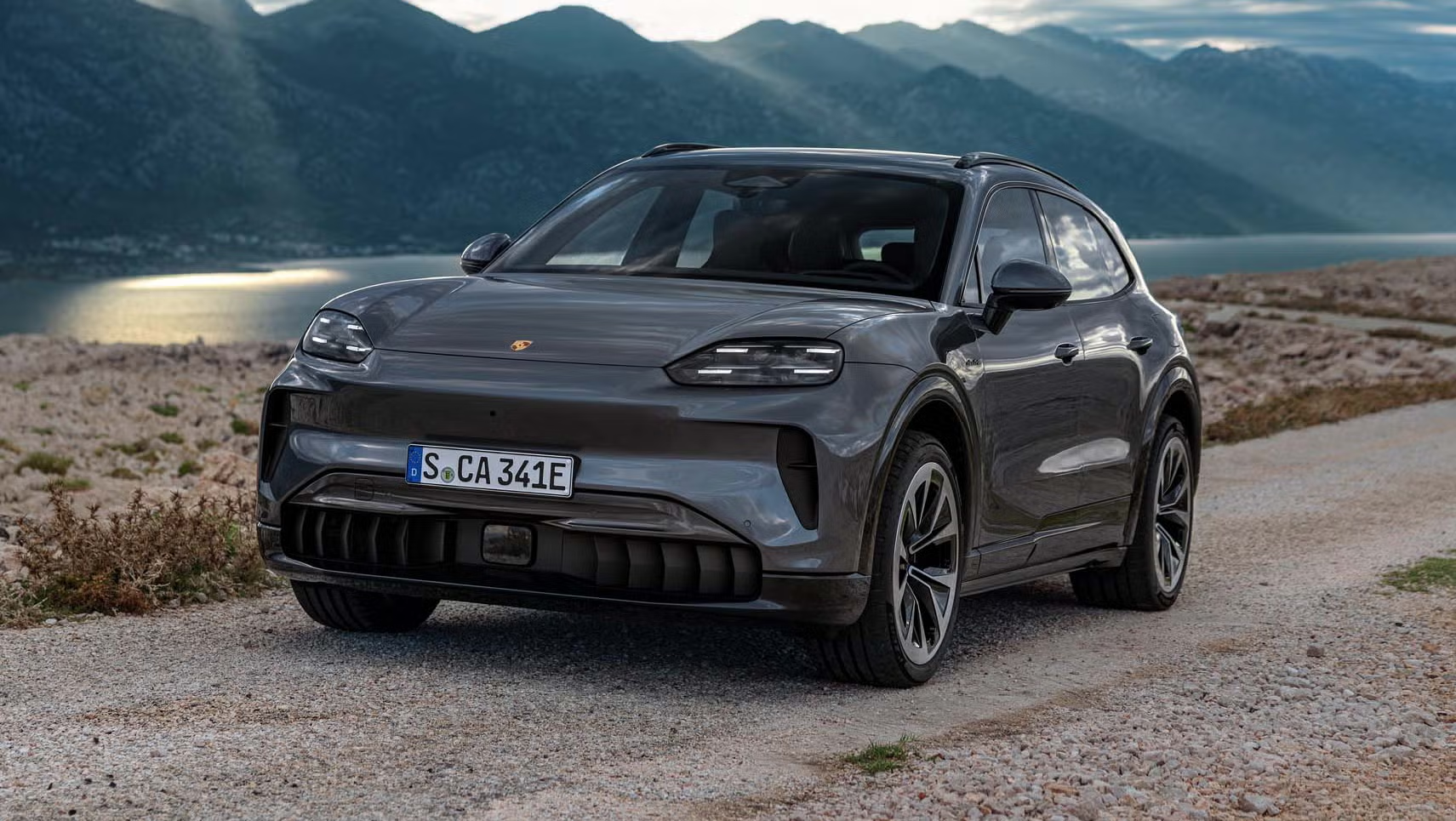
Porsche’s upcoming Cayenne Electric represents a major step in performance EV engineering, featuring a 113-kWh battery and rapid charging capabilities.
Rivian R2
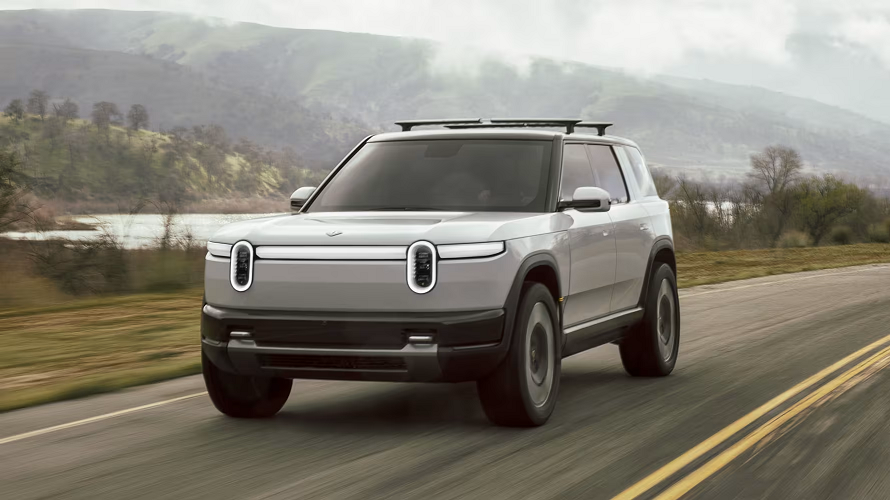
The Rivian R2, expected around $45,000, aims to bring adventure-focused EV design to a broader audience.
Hyundai IONIQ 9

With pricing between $62,150 and $77,865, the IONIQ 9 targets premium SUV buyers seeking advanced technology and spacious interiors.
6. EV Ownership Costs and Savings
Beyond purchase price, electric vehicles offer significant long-term financial advantages.
Studies suggest EV owners save between $1,500 and $2,200 annually due to:
- Lower fuel costs compared to gasoline
- Reduced maintenance requirements
- Fewer mechanical components
- Regenerative braking systems reducing brake wear
Over a five-year ownership period, savings can exceed $10,000, significantly impacting total cost of ownership calculations.
7. Federal Tax Credit Changes and Market Impact
A major shift in Electric Cars 2026 Price dynamics is the expiration of the federal EV tax credit.
The $7,500 Section 30D credit ended in September 2025, removing a major incentive for new EV buyers.
However, manufacturers have adapted quickly by introducing:
- Direct manufacturer rebates
- Zero or low APR financing
- Lease discounts
- Dealer incentives
In many cases, these programs partially replace or even exceed previous tax credit benefits.
8. Top EV Deals in 2026 (Market Snapshot)
- Kia Niro EV – $239/month lease
- Hyundai IONIQ 5 – $269/month lease
- Ford Mustang Mach-E – $249/month lease
- Hyundai IONIQ 6 – $239/month lease
- Subaru Uncharted – 0% APR financing
- Kia EV6 – Competitive lease pricing
- Honda Prologue – Low APR financing
- Toyota bZ – Affordable entry pricing
- Kia EV9 – Family SUV incentives
- Subaru Solterra – Discounted lease deals
These offers highlight the intense competition shaping the Electric Cars 2026 Price environment.
9. Key Factors Buyers Should Consider
Before purchasing an EV, buyers should evaluate several critical factors:
Driving Range
Most modern EVs offer between 200 and 400 miles per charge, depending on model and battery size.
Charging Infrastructure
Home charging remains the most efficient and cost-effective option for most drivers.
Charging Time
DC fast charging can restore 10%–80% battery capacity in 18–45 minutes for many models.
Total Cost of Ownership
Fuel savings and reduced maintenance costs often make EVs more economical long-term despite higher upfront prices.
10. Pros and Cons of Electric Cars in 2026
Advantages
- Lower running costs
- Improved performance
- Reduced maintenance
- Advanced technology integration
- Expanding model variety
Disadvantages
- No federal tax credit
- Higher upfront prices for some models
- Charging infrastructure gaps in rural areas
- Range variability under extreme conditions
Conclusion
The Electric Cars 2026 Price landscape represents a new era of EV accessibility. While government incentives have ended, automakers have responded with aggressive pricing strategies that keep electric vehicles competitive.
From budget-friendly options like the Chevrolet Bolt to luxury offerings such as the Porsche Cayenne Electric, consumers now have more choices than ever before across all price ranges.
As battery technology improves and competition intensifies, EV prices are expected to become even more attractive in the coming years.
FAQ
What is the average Electric Cars 2026 Price?
Most EVs range between $30,000 and $50,000 in the U.S. market.
Are EVs cheaper than gasoline cars?
Yes, long-term savings can exceed $1,500–$2,200 per year.
Is the federal EV tax credit still available?
No, it ended in 2025.
What is the cheapest EV in 2026?
The Chevrolet Bolt is among the most affordable options starting around $24,000.
How far can EVs drive on a full charge?
Most modern EVs offer 200–400 miles of range depending on model.