
Ford and General Motors are forecast to lose U.S. market share through the third quarter as consumers increasingly seek fuel-efficient and hybrid vehicles, according to a Cox Automotive report.
Ford and GM Face Sales Declines
Ford sales are forecast to fall 8.8% year-to-date through the third quarter, which would reduce the automaker’s market share to 12.5%. General Motors is expected to post a 6.2% sales decline, with its market share falling from 17.4% to 16.7%.
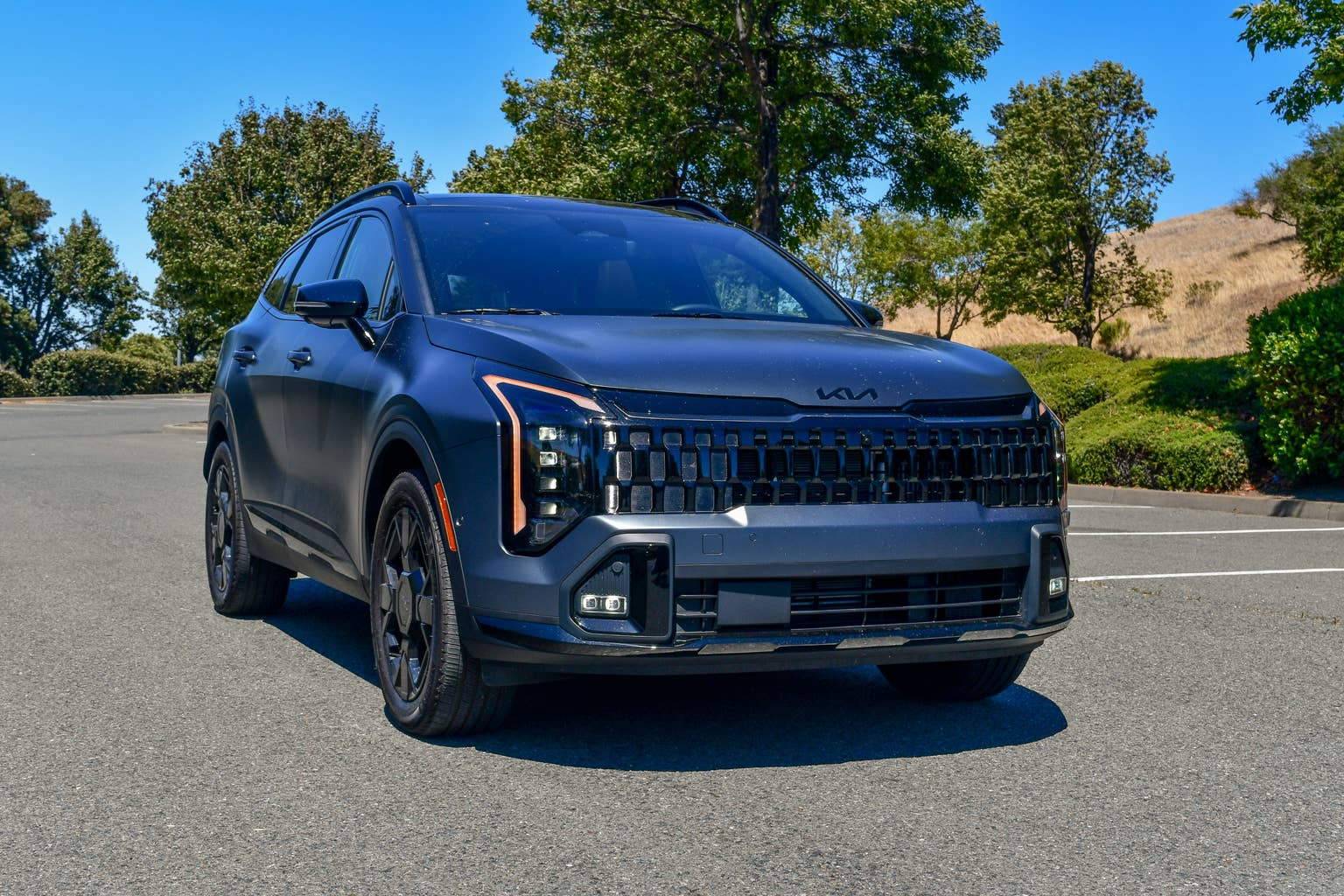
The report attributed the expected results in part to consumers looking for fuel-efficient and hybrid cars. Hyundai and Kia combined could overtake Ford in quarterly U.S. sales for the first time.
Hybrids Become More Important
Ford and GM both offer all-electric vehicles, including the Mustang Mach-E and Equinox EV, respectively. However, EV sales have slowed since the expiration of the $7,500 federal EV tax credit last year, increasing the importance of hybrids and other fuel-efficient vehicles.
Ford previously competed in the compact crossover segment with the Escape, which was also considered one of its most fuel-efficient offerings. The model has since been discontinued.
Stellantis, one of the Detroit Three automakers, is expected to improve its market share through the third quarter. Even so, the combined market share of Ford, GM and Stellantis is projected to fall to an all-time low of around 36%.
Asian Automakers Benefit From Fuel-Efficient Demand
Asian automakers are benefiting from demand for fuel-efficient vehicles, with several continuing to offer passenger cars and broad hybrid lineups.
Toyota is selling the RAV4 exclusively with electrified powertrains for the 2026 model year, offering both hybrid and plug-in hybrid versions. Hyundai is also offering a wide array of hybrid vehicles, from the Elantra to the Palisade.
New Fuel Economy Rules Could Give Automakers More Flexibility
Ford and GM could have more flexibility under a recent development involving U.S. fuel economy standards. President Donald Trump said he has approved new standards that were expected to be finalized on Monday.
The proposed rules would lower the 2031 fleetwide target of 50.4 mpg under the Biden administration. The change would give automakers more room to continue offering less-efficient combustion vehicles without as much regulatory pressure to electrify their lineups.
Cox Forecast Is Not Final Sales Data
The Cox Automotive figures are a forecast rather than final sales reports. The effect of fuel prices on U.S. car-buying behavior will also remain important, particularly as higher fuel prices have already driven greater interest in hybrids and other fuel-efficient vehicles.