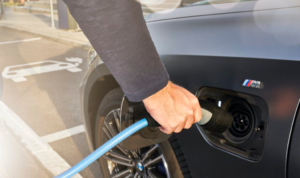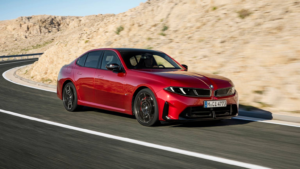

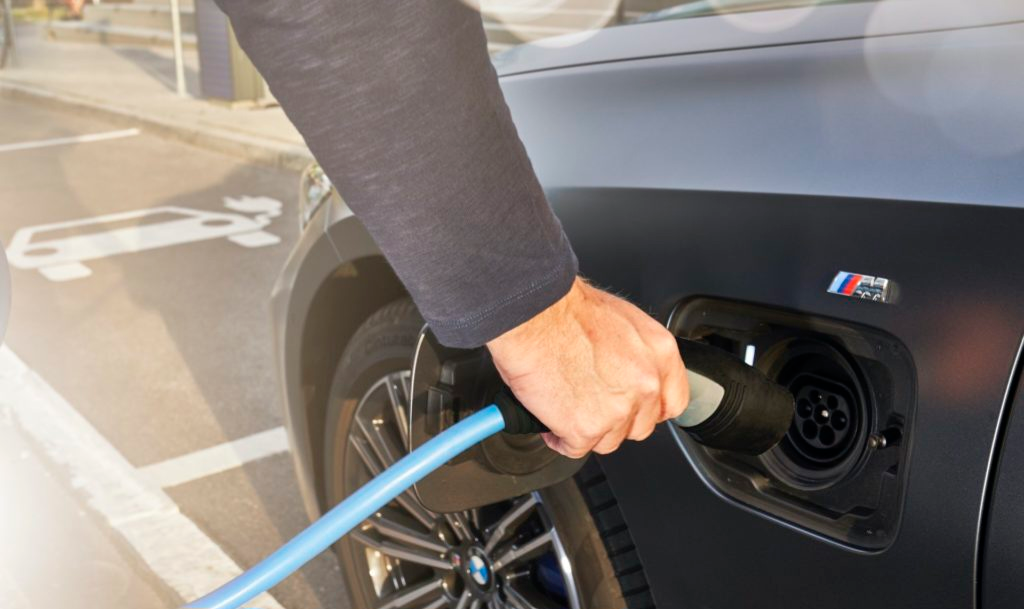
BMW has confirmed that the eighth-generation 3 Series will continue to offer a plug-in hybrid powertrain, with the new G50-based PHEV scheduled to join the lineup in 2027. The model will sit between the combustion-powered 3 Series and the fully electric i3, giving buyers another powertrain option.
BMW 3 Series PHEV Arrives in 2027
The new 3 Series is now available in electric i3 and combustion-engine 3 Series forms, although the two powertrains cannot be combined. BMW, however, is not abandoning plug-in hybrids, and the G50 will eventually receive a PHEV to replace the G20-based 330e.
BMW’s initial rollout of the G50 includes four- and six-cylinder gasoline engines, all equipped with mild-hybrid technology. As previously established, the new 3 Series no longer offers a diesel engine. The plug-in hybrid will join the lineup in 2027.
BMW has not released technical specifications for the new PHEV, but the available information points to a four-cylinder engine. The automaker has said the M350 xDrive is the only 3 Series variant with an inline-six, making an updated version of the B48 2.0-liter turbocharged four-cylinder gasoline engine a likely basis for the PHEV, paired with an electric motor and high-voltage battery.
The New 3 Series PHEV Could Offer More Electric Range
The outgoing 330e provides a reference point for the new model. Its 2.0-liter gasoline engine works with an electric motor and a 19.5-kWh battery, while the rear-wheel-drive sedan offers up to 101 kilometers (63 miles) of electric range under the WLTP cycle.
The slightly heavier xDrive version is rated at up to 96 kilometers (60 miles), while the Touring models also fall below the 100-kilometer mark because of their additional weight.
BMW could improve those figures with the new generation. Battery technology has advanced since the G20 330e launched, while the Neue Klasse brings efficiency improvements that could also benefit combustion-powered models. BMW considers the 3 Series a Neue Klasse product, despite its use of an engine rather than a front trunk under the hood.
That does not necessarily mean the G50 PHEV will receive an enormous battery. BMW could instead focus on efficiency and packaging while providing enough electric range for most daily driving without activating the gasoline engine.
The new model could therefore exceed the 100-kilometer WLTP mark, although BMW has not yet announced its battery capacity or electric range. Any range beyond the G20’s figures remains speculation for now.
PHEVs Remain Part of BMW’s Powertrain Strategy
The upcoming plug-in hybrid also reflects BMW’s continued “Power of Choice” strategy. The new 3 Series lineup is set to offer traditional combustion engines, a plug-in hybrid for customers seeking electric commuting with long-distance flexibility, and the fully electric i3.
Plug-in hybrids remain an important part of BMW’s sales mix. In 2025, vehicles combining gasoline engines with an electric motor and battery pack accounted for 8.1% of total sales. Through the first half of 2026, PHEVs accounted for 7.9% of sales.
BMW’s fully electric i3 can cover 912 kilometers (567 miles) on a single charge, but charging infrastructure remains a consideration for customers who are not ready to move entirely to electric vehicles. For those buyers, the next 330e, a name that has not yet been confirmed, is expected to provide another option.
BMW Confirms European Availability for Now
BMW has so far confirmed the next 3 Series plug-in hybrid for Europe. Availability beyond the continent has not yet been confirmed, although it is expected to expand.