
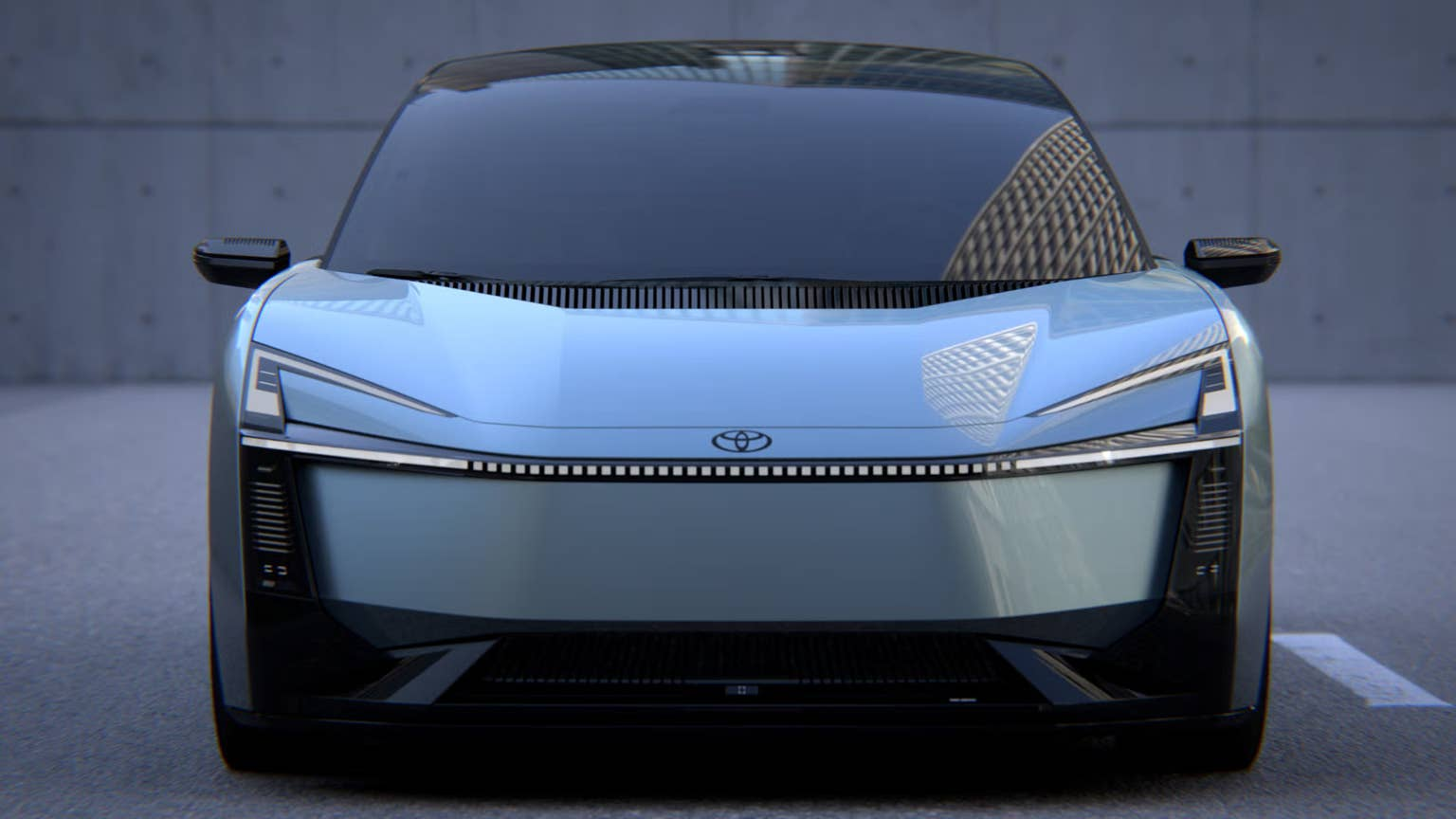
The upcoming redesign of Toyota’s best-selling compact car is set to bring a major change for the 2028 model year, with a sleek fastback-inspired design and a new hybrid powertrain strategy aimed at improving efficiency while giving the model a more distinctive appearance.
A New Direction for Toyota’s Compact
Expected to reach the market for the 2028 model year, the redesigned Toyota compact is moving toward a silhouette that blends sedan and hatchback elements. The shift comes as Toyota faces a market increasingly saturated with stylish crossovers.
Rather than relying entirely on full electrification, Toyota is pursuing a multi-pathway strategy. The approach would allow buyers in different regions to choose from traditional gas setups to plug-in hybrids, helping the model maintain its global relevance.
New 1.5-Liter Hybrid Targets Higher Efficiency
Recent developments in Japan point to a newly developed 1.5-liter inline-four hybrid system as a key part of the redesign. The powertrain is expected to debut first in the domestic market.
According to Nikkan Kogyo Shimbun, the system could exceed 30 kilometers per liter on the WLTC cycle, representing a major improvement in fuel economy over the current generation.
Standard internal combustion models could become less common among average consumers, with such setups potentially reserved for high-performance Gazoo Racing variants.
Concept-Inspired Exterior Design
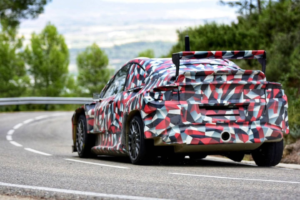
The mechanical changes are accompanied by a dramatic exterior redesign. A recent teaser image briefly shown in a Japanese television documentary indicated that some of the most aggressive elements from the 2025 mobility concept are making their way to production.
The blurred silhouette showed a wedge-shaped profile, heavily raked windshield and ultra-narrow taillights that closely matched the design previously seen on the auto show floor.
The low-slung profile and aerodynamic focus are intended to help the vehicle move efficiently through the air. Combined with the new 1.5-liter hybrid architecture, the engineering team is targeting a 10 to 20 percent overall improvement in fuel consumption.
Toyota Takes a Risk With the Design
The dramatic styling represents a significant departure for a brand that has historically favored a more conservative approach. Hyundai and Kia have already demonstrated that budget-conscious shoppers can respond to angular and distinctive designs.
Toyota’s move suggests the company sees a need to stand out more clearly as it competes for first-time buyers. The more aggressive design direction is also part of a broader evolution in Toyota’s styling.
At the same time, the redesign could challenge the expectations of the model’s traditional buyers, who value predictability, low running costs and conservative styling. The more radical approach could appeal differently to fleet managers and older commuters who prioritize dependable transportation.
With the 2028 model year approaching, Toyota is pursuing a major redesign that combines a new hybrid strategy, improved fuel efficiency and a dramatically different exterior while retaining the model’s focus on practical everyday transportation.