
BMW sold 100,210 vehicles in the United States during the third quarter of 2026, a 3.4% increase from the 96,886 units sold during the same period last year. The results show continued growth for the BMW brand, but electrified sales fell 24.9% as plug-in hybrid gains were outweighed by weaker fully electric vehicle sales.
BMW Sales Growth Led by SUVs
Through the first nine months of 2026, BMW has sold 287,154 vehicles in the U.S., up 4.3% from the same period in 2025. MINI sales moved in the opposite direction, falling 10.2% in the third quarter.
Combined, BMW and MINI sold 106,741 vehicles during the quarter, about 2.5% more than a year earlier. The figures cover only the BMW and MINI brands and do not include Rolls-Royce.
BMW’s passenger cars and light trucks both posted third-quarter gains. The company sold 43,622 passenger cars, up 3.8%, while light truck sales, the industry’s classification for SUVs and crossovers, reached 56,588 units, an increase of 3.2%.
The year-to-date results show a wider gap between the two segments. Light truck sales have risen 8.4% to 159,845 units, while passenger car sales slipped 0.4% to 127,309.
BMW has sold 11,769 more vehicles than it had through the same point in 2025. SUVs accounted for all of that increase and more, with sales up 12,325 units, while passenger car sales declined by 556 vehicles.
SUVs now represent nearly 56% of BMW’s U.S. volume this year. The brand’s next opportunity to boost passenger car sales comes early next year with two new sedans.
BMW Electrified Sales Fall 24.9%
BMW’s plug-in hybrids delivered a strong third quarter, with sales increasing 23.2% from the third quarter of 2025. Plug-in hybrid sales are also up 11.7% for the year so far.
Despite that growth, total electrified sales, which combine plug-in hybrids and battery-electric vehicles, declined 24.9%. BMW did not publish separate electric vehicle sales figures, but the combined decline indicates that fully electric model sales fell considerably more than 25% as plug-in hybrids increased.
BMW attributed the decline to “current market conditions” and a planned model changeover, without identifying the specific model involved.
The $7,500 federal tax credit for EVs expired on September 30, 2025. Buyers rushed to meet the deadline, helping push U.S. electric vehicle sales to a record during the third quarter of last year. BMW’s electric vehicle sales in the summer of 2026 were therefore being compared with that unusually strong period.
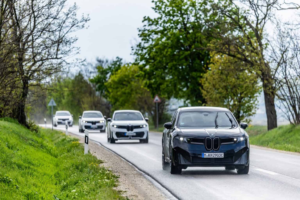
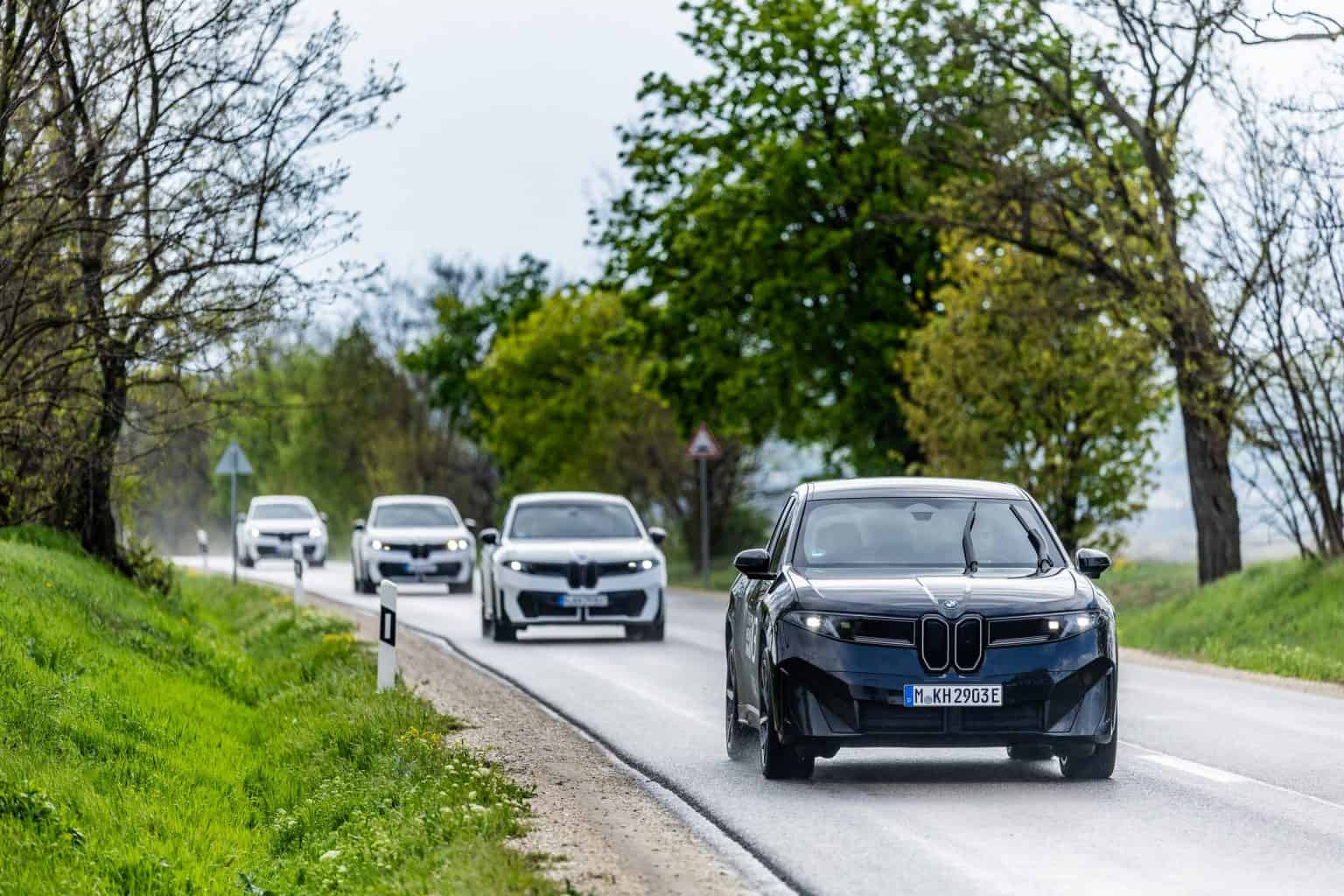
BMW received some help late in the quarter when preorder deliveries of the Neue Klasse iX3 and updated i7 began contributing to its EV total. Dealers started delivering the iX3 50 xDrive on September 16, nine days earlier than the original date, meaning the electric SUV contributed about two weeks of sales during the quarter.
MINI U.S. Sales Decline Deepens
MINI sold 6,531 vehicles in the U.S. during the third quarter, down from 7,270 a year earlier. Through September, the brand has sold 20,248 units, a 7.4% decline from the first nine months of 2025.
Based on those figures, MINI sold 13,717 vehicles during the first half of 2026, representing a 6.0% decline. BMW sold roughly 15 vehicles for every MINI during the third quarter.
New BMW 3 Series and i3 Arrive in 2027
BMW of North America President and CEO Sebastian Mackensen said the response to the Neue Klasse has been “very encouraging,” adding that the company expects additional new models to help carry that momentum through the end of 2026 and into 2027.
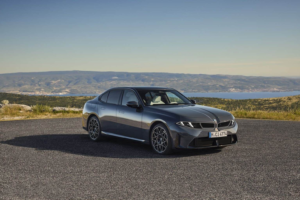
Two of the most important upcoming models are the eighth-generation G50 3 Series and the electric i3, the second Neue Klasse model after the iX3. Both are scheduled to reach U.S. dealers in the first quarter of 2027, and BMW of North America has already announced their pricing.
- 2027 BMW 330: $49,900
- 2027 BMW 330 xDrive: $51,900
- 2027 BMW M350 xDrive: $65,900
- 2027 BMW i3 50 xDrive: $61,500
All prices exclude the $1,350 destination charge. BMW describes the simultaneous launch as part of its “technology-open” strategy, giving customers a choice between combustion and electric power in the same showroom.
The pricing also puts the two powertrains relatively close together. The 463-hp i3 50 xDrive costs $4,400 less than the 437-hp M350 xDrive, setting up a test of whether Americans will purchase an electric BMW sedan without a tax credit.
BMW Heads Into the Fourth Quarter
The fourth quarter will be the first full quarter with the iX3 in showrooms and the updated i7 on sale. BMW’s electrified sales will also face an easier year-over-year comparison because the fourth quarter of 2025 was the first period without the federal EV credit.
Until the new 3 Series and i3 reach U.S. dealers, BMW’s sales growth will continue to rely on its SUVs and plug-in hybrids, which have supported the brand through a challenging year in the automotive industry.