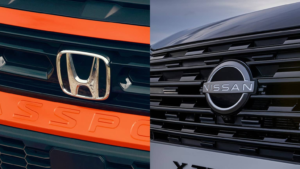

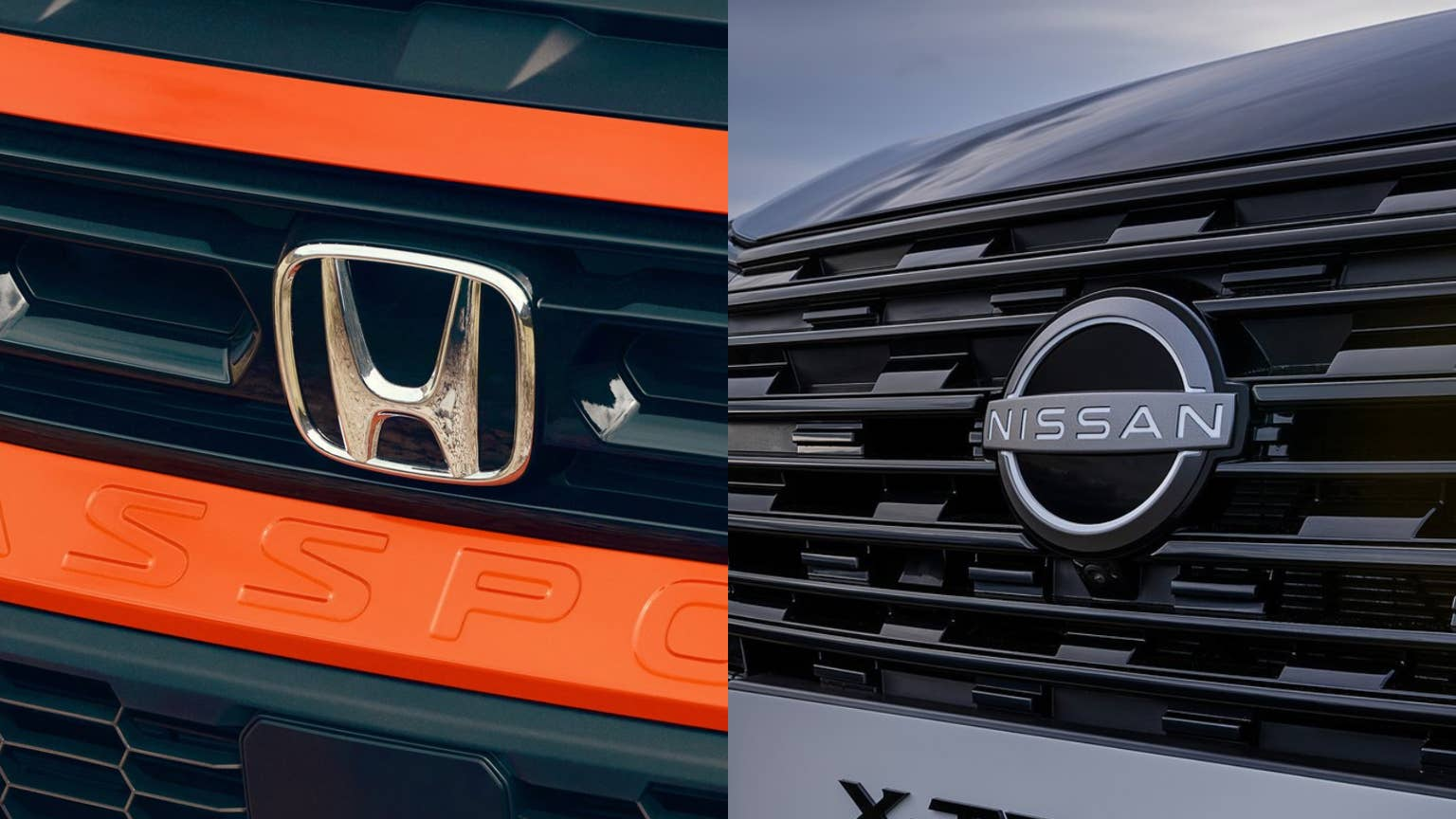
Honda and Nissan are taking separate steps to advance software-defined vehicles after previously formalizing plans to jointly develop and standardize key software and electronics for their next-generation vehicles. Both automakers are now partnering individually with U.S.-based AI startup Applied Intuition, adding new details to their approach to future vehicle software.
Honda and Nissan Take Different Paths
Applied Intuition has announced separate partnerships with Honda and Nissan, despite the automakers’ broader effort to share key software and electronics technologies.
A shared vehicle operating system for software-defined vehicles could help accelerate development and reduce costs. At the same time, working with Applied Intuition separately could allow Honda and Nissan to distinguish their products, an important consideration as the two remain separate companies following failed merger talks.
The approach could also create additional integration complexity by involving more parties in the development process.
Honda Develops a Centralized Vehicle Software Platform
Honda is using Applied Intuition’s Vehicle OS to help develop a centralized, upgradable full-vehicle software platform capable of supporting multiple powertrains, including hybrids.
The flexibility is important for Honda’s diverse lineup, which includes vehicles such as the CR-V Hybrid and CR-V e:FCEV. The Prologue, Honda’s sole battery-electric vehicle in North America, is scheduled to go out of production after the 2026 model year following a short-lived run.
Despite its partnership with Applied Intuition, Honda said it intends to maintain control over its vehicle architecture and software direction.
Nissan Adds AI-Powered Development Tools
Nissan’s partnership with Applied Intuition extends further into AI-assisted vehicle development. The startup will provide its Vehicle OS along with AI-powered development tools for Nissan’s scalable next-generation in-vehicle software platform.
Vehicle operating systems designed for software-defined vehicles can support functions such as over-the-air updates. These updates allow automakers such as Tesla to add features and address certain software issues remotely.
The technology can also connect different vehicle controls and driver-assistance systems through a single software platform, enabling more advanced functions than were possible with older, more analog vehicle systems.
When Will the New Software Reach Production Cars?
Applied Intuition has not disclosed when software resulting from its new partnerships with Honda and Nissan will reach production vehicles.
The startup has worked with both automakers before. Honda became Applied Intuition’s first Japanese OEM customer in 2019, while Nissan adopted the company’s simulation technology in 2020.
For buyers, the partnerships could eventually mean vehicles that receive new features and software fixes more quickly while retaining distinct interfaces and user experiences for Honda and Nissan, despite the shared technological foundation.