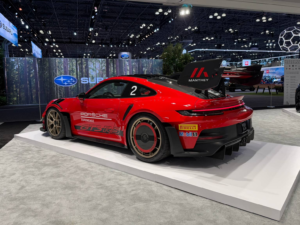

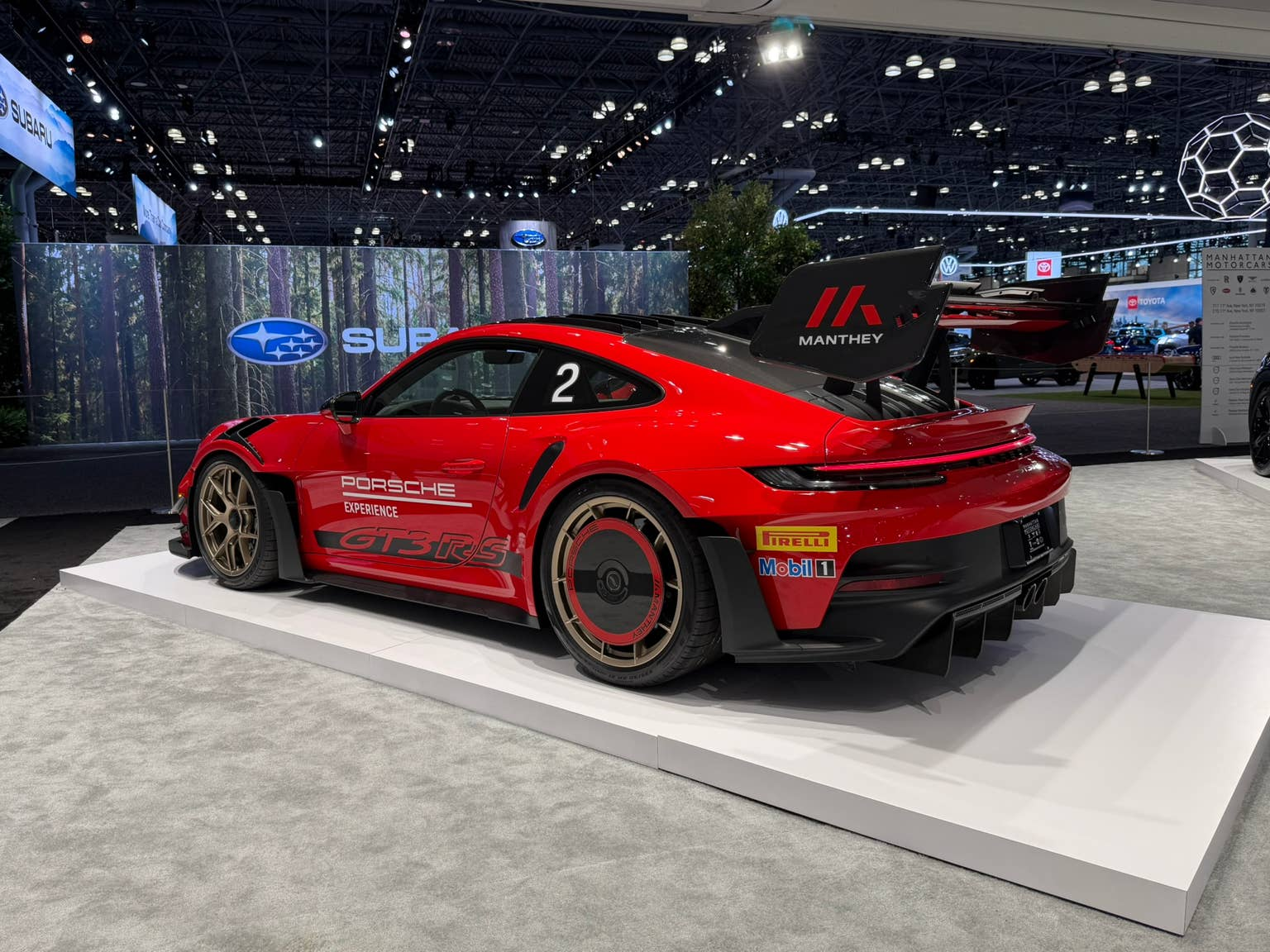
Porsche has increased its stake in Manthey Racing GmbH to 67%, strengthening its involvement in performance-focused models, exclusive track experiences and specialized upgrades as the automaker shifts toward a “value over volume” strategy. The move comes shortly after CEO Michael Leiters outlined plans to build fewer cars, raise average prices for top models and restore profitability by 2030.
Porsche Targets Higher Prices and Stronger Margins
At an investor day, Leiters said Porsche aims to increase the average price of its top models from about €270,000 ($306,000) this year to more than €330,000 ($374,000) by 2030, an increase of roughly 20%.
The company also plans to expand the share of top models from about one-third of its lineup to 45%. At the same time, Porsche wants to lower its break-even point to fewer than 200,000 vehicles, compared with 279,449 deliveries last year.
The strategy follows a sharp decline in operating profitability. Porsche’s operating margin fell from 18% in 2023 to 1.1% last year, and the company is now targeting a margin of 10% to 15% by 2030. Price increases have already been rolling through the lineup, according to Autoblog’s reporting.
How Manthey Fits Into Porsche’s Strategy
Manthey will operate under Porsche’s new “Home of Sports Cars” division, alongside Sonderwunsch, Exclusive Manufaktur and Heritage. The structure brings the racing and performance specialist into a broader group focused on exclusive vehicles and experiences.
Porsche says it plans to develop special low-volume models, performance kits and exclusive track experiences with Manthey. The two companies have already collaborated on nine kits since 2020, including one for the Taycan Turbo GT, which reclaimed the Nürburgring electric-vehicle record.
Manthey is also scheduled to unveil two anniversary special models at Hockenheim on Friday at 13:30 CEST (7:30 a.m. ET). Porsche has not confirmed what the two models will be.
Could Porsche Price Out More Enthusiasts?
Some enthusiasts are already speculating about the potential consequences of Porsche’s pricing strategy. One Instagram post argues that a fully equipped 911 Turbo S could exceed $400,000 and suggests that naturally aspirated, manual and analog cars could become more expensive as new Porsches grow pricier, larger and more digital.
That scenario remains a prediction rather than an established market trend, and the $400,000 figure does not match Porsche’s stated pricing guidance. The company’s target calls for an approximately 20% increase in the average price of its top models, not a confirmed increase of that size for every vehicle.
Edmunds lists the 2026 Porsche 911 Turbo S at $272,650, including destination. Applying a straight 20% increase to that figure would bring the price to approximately $327,000 before options.
Options can add substantially to the final cost. In one example, configuring a 911 with every available option added $98,000 to its price.
Used Porsche Prices Remain Uncertain
Porsche has not specified which models will receive price increases or how large those increases will be. That leaves the potential impact on the used-car market uncertain, including whether the strategy will make certain older Porsche models more expensive.
With its increased stake in Manthey and its focus on higher-priced, lower-volume vehicles, Porsche is positioning exclusive performance offerings as part of its broader strategy to improve profitability by 2030. The extent to which that approach affects individual model prices and used-car values remains to be seen.