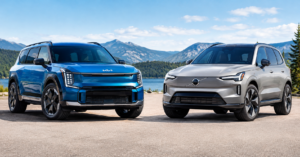

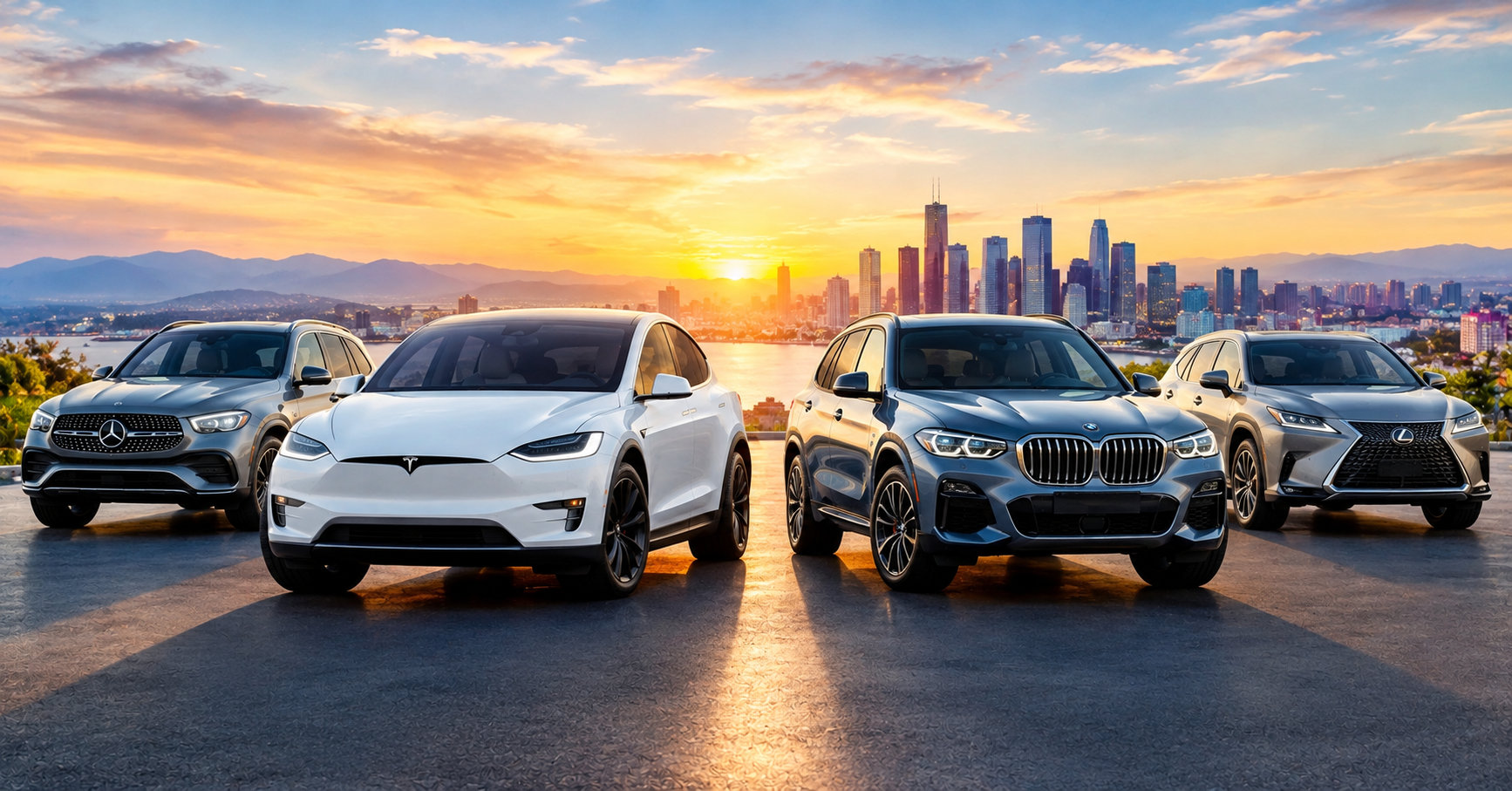
Buying a luxury SUV in 2026 is no longer just a choice between BMW, Mercedes-Benz, Lexus, and Audi. Tesla has changed the conversation by offering long electric driving ranges, rapid acceleration, a large fast-charging network, and software-focused technology. But do those advantages make a Tesla a better value than a traditional luxury SUV?
The important distinction is that a lower purchase price does not automatically mean lower ownership costs, just as a higher luxury-SUV price does not guarantee a better driving experience. Charging access, annual mileage, insurance, depreciation, comfort, and service expectations all affect the decision.
Here is how the leading options compare, what the numbers actually mean, and which SUV is most likely to justify its price for different American buyers.
Quick Verdict: Is Tesla Worth the Price in 2026?
For drivers who want an electric vehicle with long range, access to Tesla’s Supercharger network, strong acceleration, and a technology-centered cabin, Tesla can offer compelling value. For shoppers who put a higher priority on traditional luxury materials, ride refinement, physical controls, towing, or a conventional dealership relationship, a BMW, Mercedes-Benz, Lexus, or Audi may be a better fit.
- Best value-oriented electric SUV: Tesla Model Y, starting at $41,630 including the destination charge and order fee.
- Best for high-performance electric driving: Tesla Model X, with 670 horsepower in its standard dual-motor configuration and 1,020 horsepower in Plaid form.
- Traditional luxury alternative for comfort-minded buyers: Lexus RX, with a starting price of $52,775 and gas and hybrid powertrain choices.
- Luxury and performance balance: BMW X5, which combines an upscale cabin with athletic driving characteristics.
- Option for substantial towing: Mercedes-Benz GLE, with a cited maximum towing capacity of 7,700 pounds, depending on configuration.
- Conventional three-row luxury SUV: Audi Q7, which offers standard three-row seating.
These are category-based recommendations rather than a universal ranking. The right vehicle depends on the exact trim, equipment, driving habits, and budget.
Tesla vs Luxury SUVs 2026: Price Comparison
Price is one of the clearest reasons shoppers consider Tesla. The Model Y starts below the listed entry prices of several established luxury SUVs, giving buyers access to an electric powertrain without moving into the six-figure price range. The Model X is a different proposition: its price places it directly in the premium-luxury market.
| SUV | Starting price | Powertrain | Primary appeal |
|---|---|---|---|
| Tesla Model Y | $41,630, including stated fees | Electric, RWD or AWD | Range, charging, technology, value |
| Lexus RX | $52,775 | Gas and hybrid | Comfort and conventional luxury |
| Mercedes-Benz GLE | Lower $60,000 range | Gas, hybrid, and plug-in hybrid | Refinement, powertrain choice, towing |
| Audi Q7 | Lower $60,000 range | Gasoline | Three-row family practicality |
| BMW X5 | $69,750 | Gas, hybrid, and performance variants | Performance and upscale comfort |
| Tesla Model X | $99,990 base MSRP | Electric, dual-motor AWD | Acceleration, range, distinctive design |
Prices are the figures supplied for this comparison and may use different fee conventions. The Model Y price includes the stated destination charge and order fee, while the Model X figure is its base MSRP. Options, taxes, registration, financing, and other charges can change the final amount. Confirm current pricing with each manufacturer before buying.
Why the Model Y’s price matters
At $41,630 including the specified fees, the Model Y starts below the Lexus RX by $11,145 and below the BMW X5 by $28,120. That leaves a meaningful amount of money available for insurance, charging equipment, financing costs, or other household expenses.
However, buyers should compare vehicles with similar equipment. A lower-priced Tesla trim and a well-equipped luxury SUV may differ substantially in seating materials, comfort features, sound insulation, driver-assistance equipment, and convenience technology. Comparing sticker prices without examining the specification sheets can produce a misleading result.
Why the Model X belongs in a different conversation
The Model X starts at $99,990 before destination charges in the supplied figures. Car and Driver has listed $101,630 with destination in its testing context. At this level, the question is no longer simply whether Tesla is less expensive than a luxury SUV.
Instead, buyers need to decide whether the Model X’s electric performance, long range, charging ecosystem, and distinctive design justify its price compared with established premium SUVs. The BMW X5, Mercedes-Benz GLE, Audi Q7, and Volvo EX90 can serve as comparison points, but they do not all offer identical seating layouts or powertrains.
The Model X is most compelling for people who specifically want a large, high-performance electric SUV. If conventional luxury, dealership service, or a particular towing requirement is more important, the premium price may be harder to justify.
Tesla Model Y vs Traditional Luxury SUVs
The Model Y is the more relevant Tesla for shoppers comparing electric driving with the compact and midsize luxury-SUV market. It is commonly cross-shopped with vehicles such as the BMW X3, Audi Q5, Lexus NX, and Mercedes-Benz GLC. Larger traditional SUVs such as the BMW X5 and Lexus RX can also enter the discussion, although dimensions, cargo capacity, and equipment differ.
Range and energy efficiency
The 2026 Model Y Premium RWD has an EPA-estimated range of up to 357 miles and a combined rating of 134 MPGe. Those figures make it an attractive option for drivers who want to cover substantial distances between charges while using electricity efficiently.
Range is not identical across the Model Y lineup. The Performance AWD is rated at 306 miles and 105 MPGe, illustrating a familiar trade-off: a trim designed around stronger performance may sacrifice some efficiency and driving range.
For drivers with home charging, the Model Y can make everyday travel straightforward. A typical commute may require only a small portion of the available battery, allowing the vehicle to recharge while parked overnight. Drivers who rely on public charging, however, should examine charging locations along their regular routes before purchasing any electric SUV.
Gas and hybrid luxury SUVs operate differently. They can refuel at conventional gas stations, while a hybrid can reduce fuel use without requiring the driver to plug in. A plug-in hybrid adds electric driving for shorter journeys but still requires access to charging to realize its full benefit.
How much does Tesla’s charging network help?
Charging access is one of Tesla’s most practical advantages. Tesla says the Model Y can add up to 182 miles of range in 15 minutes at a Supercharger under suitable conditions. This is a manufacturer claim, not a guarantee for every charging session.
Actual charging speed depends on battery temperature, starting state of charge, charger output, vehicle configuration, and other conditions. The number of miles added also varies with driving efficiency.
For an owner who can charge at home and uses public fast chargers during road trips, the combination can reduce the inconvenience of owning an EV. For someone who rents an apartment without reliable charging access, parks on the street, or regularly travels through areas with limited chargers, that advantage may be smaller.
Cabin comfort and luxury materials
The Model Y approaches the cabin differently from traditional luxury brands. Its minimalist dashboard and large central touchscreen place software and digital controls at the center of the experience. Some drivers appreciate the uncluttered layout and integrated technology; others prefer dedicated physical controls and a more conventional instrument-panel design.
BMW, Mercedes-Benz, Lexus, and Audi generally emphasize a familiar premium-SUV environment, with attention to cabin materials, tactile controls, seating comfort, sound insulation, and a more traditional dealership-supported ownership experience. The precise quality of those features depends on the model and trim, so buyers should test-drive the specific vehicles under consideration.
There is no single definition of luxury. For one driver, it means a clean digital interface and instant electric response. For another, it means a quiet ride, supportive seats, carefully finished surfaces, and intuitive physical controls.
Safety and driver assistance
The 2026 Model Y received a five-star overall rating from the National Highway Traffic Safety Administration in the supplied research. The related 2027 Model Y earned the Insurance Institute for Highway Safety’s Top Safety Pick+ designation in later testing.
These ratings should not be merged into a single model-year claim: the 2027 IIHS result is not automatically a 2026 award. Shoppers should check the exact model year, vehicle configuration, and available test results through NHTSA and IIHS before making a purchase.
Safety ratings also do not eliminate the need to evaluate visibility, braking response, child-seat installation, headlights, and driver-assistance behavior during a test drive. Technology can support the driver, but the driver remains responsible for safe operation.
Tesla Model X vs Luxury SUVs
The Model X is Tesla’s larger and more expensive SUV. Its appeal rests on high output, all-electric driving, long EPA-estimated range, a distinctive cabin, and unusual rear doors. At its price, however, it faces a more demanding comparison with premium vehicles that have spent years refining ride comfort, interior presentation, and conventional service support.
Performance: 670 horsepower, with a 1,020-hp option
The 2026 Model X uses a dual-motor all-wheel-drive setup producing 670 horsepower and 644 lb-ft of torque in the standard configuration described in the research brief. Tesla’s claimed 0–60 mph time is 3.8 seconds.
The Model X Plaid raises output to 1,020 horsepower through a three-motor configuration. It is an extreme performance offering for an SUV, but the additional power is not essential for every buyer. Drivers who primarily commute, transport children, or travel on highways may place greater value on comfort, predictable controls, and the ability to use the vehicle’s capabilities comfortably in everyday conditions.
The BMW X5 also emphasizes a blend of athletic driving and luxury, while the Mercedes-Benz GLE offers a broad powertrain range. These vehicles deliver a different experience, particularly for drivers who prefer gasoline or hybrid power and a more traditional premium-SUV feel.
Real-world range and charging time
The Model X base version has an EPA-estimated range of 352 miles, while the Plaid is rated at 335 miles. Its battery is listed at 100 kWh in the supplied research.
Car and Driver measured 300 miles during a steady 75-mph highway test. That result is useful because highway range can differ from an EPA estimate, particularly at sustained speeds. It should not be treated as a universal range figure for every route, weather condition, or driving style.
In the same publication’s testing, a 10% to 90% DC fast-charge session took 37 minutes, averaging 118 kW. Charging time is important for road-trip planning because it determines how long an owner may need to wait between driving segments.
For drivers who mostly charge at home, the time required for a public charging stop may matter only occasionally. Frequent long-distance travelers should examine real-world charging tests and route coverage rather than relying on peak charging claims alone.
Falcon Wing doors and everyday practicality
The Model X’s Falcon Wing rear doors are among its most recognizable features. They help distinguish the vehicle from conventional SUVs and may make access to the rear seating area convenient in certain parking situations.
Yet unusual equipment is not automatically an advantage for every owner. Buyers should check how the doors operate in their garage, driveway, or typical parking spaces and whether their family members find them convenient. The vehicle’s minimalist interior and large touchscreen deserve the same hands-on evaluation.
The Model X offers substantial cargo flexibility, with the supplied figures listing up to 88 cubic feet behind the first row and a 6-cubic-foot front trunk. Cargo capacity depends on the measurement method and seat configuration, so these figures should not be compared directly with another SUV unless the measurement conditions match.
Is the Model X worth approximately $100,000?
The Model X can justify its price for buyers who want an electric SUV with exceptional acceleration, substantial range, distinctive styling, and access to Tesla’s charging network. The case becomes less convincing for shoppers who are indifferent to extreme performance or who value traditional cabin craftsmanship and a conventional dealer relationship more highly.
Before signing a purchase agreement, compare the exact Model X configuration with the alternatives on price, seating, cargo needs, ride comfort, warranty coverage, insurance, and service availability. The most expensive vehicle is not necessarily the best match for a family’s needs.
BMW X5 vs Tesla: Traditional Luxury Meets Electric Performance
The 2026 BMW X5 starts at $69,750 in the supplied figures, placing it above the Model Y but below the Model X’s starting price. The lineup includes gas, hybrid, and performance variants, allowing buyers to choose different combinations of power, efficiency, and equipment.
The X5’s appeal is its balance. It is designed to deliver athletic driving characteristics without giving up the comfort, materials, and practicality expected from a luxury SUV.
Where the BMW X5 can make more sense
- Cabin experience: Buyers who prefer a traditional luxury environment may favor the BMW’s layout and materials.
- Powertrain flexibility: Gas and hybrid choices can suit drivers who are not ready to rely entirely on charging.
- Driving character: The X5 is a candidate for shoppers who want a premium SUV that also feels responsive on the road.
- Service expectations: A conventional dealer network may be preferable for buyers who value face-to-face service and established maintenance routines.
Where Tesla can be the stronger value
The Model Y costs substantially less to enter than the X5, and its electric powertrain eliminates gasoline purchases. Owners who charge at home may also find energy costs attractive, depending on local electricity prices and their driving patterns.
However, the purchase-price gap alone does not determine total cost of ownership. Insurance, depreciation, financing, electricity, fuel, maintenance, tires, and any home-charging installation must all be considered. Buyers should use their own insurance quotes and local energy rates rather than assume that an EV will always be less expensive to own.
Lexus RX vs Tesla Model Y: Comfort, Efficiency, and Value
The Lexus RX starts at $52,775 and offers gas and hybrid powertrains. It is an appealing alternative for buyers who want a conventional luxury SUV without moving into the price territory of more expensive premium models.
The RX and Model Y are not identical in size or configuration, and the RX is not a direct three-row rival to the Model X. Still, the comparison is useful for shoppers deciding between electric driving and the familiar benefits of a traditional luxury brand.
Why buyers choose the Lexus RX
The RX is positioned around comfort and a conventional premium ownership experience. Its gas and hybrid choices let buyers select a powertrain that fits their driving needs, while the familiar refueling process avoids dependence on charging infrastructure.
For drivers who regularly make long trips through areas with limited charging access, a conventional hybrid can offer a practical middle ground. It can reduce fuel consumption compared with a comparable non-hybrid vehicle without requiring plug-in charging.
Why the Model Y may be a better fit
The Model Y has a lower listed starting price than the RX and offers up to 357 miles of EPA-estimated range in Premium RWD form. Its charging network and electric driving experience can be especially appealing to buyers with home charging and predictable daily mileage.
The final decision comes down to priorities. Drivers who value a quiet, familiar luxury cabin and hybrid flexibility may prefer the Lexus. Drivers who want a fully electric vehicle, a software-focused interface, and a broad fast-charging network may favor the Tesla.
Mercedes-Benz GLE vs Tesla Model X
The Mercedes-Benz GLE starts in the lower $60,000 range according to the supplied research and offers gas, hybrid, and plug-in hybrid powertrains. Its combination of traditional luxury and powertrain choice makes it relevant to shoppers who are considering the Model X but do not necessarily want a fully electric vehicle.
Towing and powertrain flexibility
The cited maximum towing capacity for the GLE is 7,700 pounds, depending on configuration. That figure is important for buyers who tow trailers, recreational equipment, or other loads. Anyone planning to tow should verify the exact vehicle’s rating, required equipment, payload limits, and trailer requirements before purchasing.
Electric SUVs can tow, but towing can reduce driving range significantly. Buyers comparing an EV with a gasoline SUV for frequent towing should consider the distance between charging stops, the availability of chargers that can accommodate a trailer, and the added time required on long trips.
Luxury experience versus electric performance
The GLE is designed for buyers who want the established character of a Mercedes-Benz luxury SUV. The Model X, by contrast, delivers rapid electric acceleration and a distinctive digital environment.
Neither is automatically the better value. A GLE may better meet the needs of a driver who prioritizes towing, traditional controls, or a plug-in hybrid option. A Model X may be the more satisfying choice for someone who wants an all-electric SUV with strong performance and can comfortably absorb the higher purchase price.
Audi Q7 vs Tesla Model X: Which Is Better for Families?
The Audi Q7 stands out in this comparison because it offers standard three-row seating. For families who regularly need space for more passengers, seating configuration can matter more than acceleration, touchscreen size, or headline range figures.
The Model X also targets buyers who want a premium electric SUV with flexible passenger and cargo space. However, shoppers should compare the precise seating configuration and test access to every row before deciding that one vehicle offers a better family fit.
What families should test before buying
- Third-row access: Check whether passengers can enter and exit comfortably.
- Child-seat installation: Bring the actual child seats and confirm that they fit securely in the intended seating positions.
- Cargo with all seats in use: Test whether the vehicle can carry the stroller, luggage, sports gear, or groceries your family normally transports.
- Road-trip comfort: Evaluate seat support, cabin noise, climate controls, and charging or refueling stops.
- Daily parking: Confirm that the vehicle fits your garage and that doors can operate comfortably in your usual parking space.
The Q7 may appeal to families who want conventional three-row luxury and familiar fueling. The Model X may appeal to those who want an electric powertrain and distinctive design. A careful family test drive is more informative than relying on brand reputation alone.
Ownership Costs: The Price Tag Is Only the Beginning
When deciding whether Tesla or a traditional luxury SUV is worth the price, the purchase price is only one part of the calculation. Total cost of ownership includes several expenses that can vary significantly between drivers and locations.
1. Electricity versus gasoline
An electric SUV uses electricity instead of gasoline, but the financial advantage depends on local energy prices, vehicle efficiency, and charging habits. Home charging can be convenient and may cost less per mile than gasoline. Public fast charging can be more expensive than home charging, so drivers should calculate costs using the rates they expect to pay.
For a fair comparison, estimate annual miles, the EV’s expected energy consumption, local electricity rates, and the fuel economy of the alternative SUV. Use real prices rather than national averages whenever possible.
2. Home-charging installation
Some Tesla buyers can use an existing suitable outlet or charging setup, while others may need electrical work or dedicated charging equipment. Installation costs depend on the home’s electrical service, parking arrangement, wiring distance, and local labor rates.
Apartment residents and drivers without assigned parking should investigate charging access before buying. A vehicle that is inexpensive to charge at home may be less convenient if the owner depends entirely on public stations.
3. Insurance and tires
Insurance premiums depend on the model, repair costs, driver profile, location, coverage limits, and claims history. High-performance trims can also carry different insurance costs from standard versions. Get quotes for the exact vehicles and trims rather than assuming that a lower purchase price automatically means cheaper coverage.
Tires also deserve attention. Vehicle weight, wheel size, tire type, road conditions, and driving style affect replacement costs and wear. Performance-focused versions may use tires that prioritize grip over long service life.
4. Maintenance and service
Electric vehicles do not require routine engine-oil changes and have fewer conventional powertrain service items than gasoline vehicles. That does not mean they are maintenance-free. Tires, brakes, cabin filters, suspension components, battery-related systems, and other equipment can still require attention.
Traditional luxury SUVs have their own maintenance schedules, which vary by engine and powertrain. Hybrid and plug-in hybrid vehicles combine elements of electric and combustion systems, so their service requirements differ from both a conventional gasoline SUV and a fully electric Tesla.
Service access is another practical consideration. Tesla uses a more app-centered ownership and service model, while BMW, Mercedes-Benz, Lexus, and Audi operate through established dealer networks. The better experience depends on the availability and quality of service in the buyer’s area.
5. Depreciation and resale value
Resale value depends on the individual model, mileage, condition, equipment, market demand, incentives, financing conditions, and changes in new-car pricing. Electric-vehicle resale values can be sensitive to manufacturer price adjustments and new-model developments.
The Model Y’s high sales volume supports a substantial market presence, but that alone does not guarantee stronger depreciation performance than a Lexus, BMW, Mercedes, or Audi. Buyers should compare current used listings and reputable resale estimates for the exact model year and trim.
How to estimate your five-year cost
Before making a decision, build a simple comparison using these categories:
- Purchase price after applicable discounts and incentives.
- Financing charges over the period you expect to own the vehicle.
- Annual electricity or gasoline costs.
- Home-charging equipment and installation, if required.
- Insurance premiums and deductibles.
- Scheduled maintenance, tires, and likely repairs.
- Expected resale value at the end of ownership.
This calculation will not predict every expense, but it is a more reliable starting point than comparing sticker prices alone.
Technology, Controls, and the Everyday Driving Experience
Tesla’s technology-first approach is central to its appeal. A large touchscreen, software-centered controls, and connected vehicle features create an experience that feels different from a traditional luxury SUV. Some buyers value the clean design and integrated interface; others find that frequently used functions are easier to operate through dedicated physical controls.
Traditional luxury brands take different approaches to infotainment and cabin interaction. BMW, Mercedes-Benz, Lexus, and Audi each offer their own interfaces, menus, and driver-assistance systems. A familiar control layout can be especially valuable for drivers who want to adjust common functions without navigating touchscreen menus.
Software features can also change over time through updates, but buyers should verify which features are included, which require subscriptions or additional payments, and which depend on particular hardware. A feature demonstrated during a sales presentation should not be assumed to be available in every trim or under all conditions.
During a test drive, try the functions you use most often: adjusting climate settings, changing audio, setting navigation, using voice commands, and operating driver assistance. A few minutes of hands-on use can reveal whether a vehicle’s technology genuinely makes driving easier.
Safety: Compare Exact Model Years, Not Brand Names
Safety should be assessed at the vehicle level rather than through broad claims that one brand is safer than another. The supplied research lists a five-star overall NHTSA rating for the 2026 Model Y, while the structurally related 2027 Model Y earned an IIHS Top Safety Pick+ designation in later testing.
Those results are useful, but the model-year distinction matters. An award for the 2027 vehicle should not be presented as an award for the 2026 model unless the IIHS explicitly confirms that the designation applies to both.
When comparing Tesla with a BMW X5, Mercedes-Benz GLE, Lexus RX, or Audi Q7, check the specific model year in the NHTSA and IIHS databases. Review crash-test results, headlights, pedestrian protection, child-seat information, and the performance of available crash-prevention systems.
Driver-assistance features should also be evaluated carefully. They are aids, not substitutes for attention or responsibility behind the wheel. Buyers should understand the limitations and operating requirements of any system before using it.
Which SUV Should You Buy in 2026?
Choose the Tesla Model Y if…
- You want a fully electric SUV with up to 357 miles of EPA-estimated range in the Premium RWD trim.
- You can charge at home or have dependable charging options near your home and workplace.
- You value acceleration, software-led features, and access to Tesla’s Supercharger network.
- You want a starting price below many traditional luxury SUVs.
- You are comfortable with a minimalist cabin and app-centered service experience.
Choose the Tesla Model X if…
- You specifically want a large electric SUV with high performance.
- You value the 352-mile EPA estimate for the base version and the available high-output Plaid configuration.
- You like its distinctive Falcon Wing doors and technology-focused cabin.
- Your budget accommodates a starting price near $100,000 before destination charges.
- You are willing to compare charging performance, service access, and ride comfort carefully against other premium SUVs.
Choose the BMW X5 if…
- You want a traditional luxury SUV that balances driving engagement, comfort, and practicality.
- You prefer gas, hybrid, or performance-oriented powertrain choices.
- You value conventional premium cabin features and dealer-supported service.
- You are comfortable with a starting price of $69,750 in the supplied 2026 figures.
Choose the Lexus RX if…
- You want a comfort-oriented luxury SUV with gas and hybrid options.
- You prefer conventional fueling or do not have convenient access to charging.
- You want a lower starting price than many premium European SUVs.
- You value a familiar luxury ownership experience over an all-electric powertrain.
Choose the Mercedes-Benz GLE if…
- You want a traditional luxury SUV with several powertrain options, including a plug-in hybrid.
- You need substantial towing capacity and have verified the rating for your exact configuration.
- You prioritize a conventional luxury environment and established dealer service.
Choose the Audi Q7 if…
- You need standard three-row seating in a conventional luxury SUV.
- You want a gasoline-powered alternative to a premium electric SUV.
- You are prepared to test the seating, cargo space, and comfort with your actual family needs in mind.
Final Verdict: Tesla vs Luxury SUVs 2026
The best answer to Tesla vs luxury SUVs 2026 depends on what you expect your money to deliver. Tesla is particularly compelling for buyers who want electric driving, strong range, fast-charging access, and rapid acceleration. The Model Y makes the most accessible case, with a starting price of $41,630 including the stated destination charge and order fee, plus an EPA-estimated range of up to 357 miles in Premium RWD form.
The Model X serves a different buyer. With a base MSRP of $99,990, it competes in a premium price category where acceleration and futuristic design must be weighed against cabin refinement, charging performance, and the ownership experience offered by established luxury brands.
Traditional luxury SUVs remain persuasive choices for drivers who prioritize conventional controls, refined interiors, broad powertrain options, towing capability, or a familiar dealership relationship. The BMW X5 offers a balanced luxury-and-performance approach, the Lexus RX emphasizes comfort with gas and hybrid choices, the Mercedes-Benz GLE adds powertrain flexibility and substantial towing capability in applicable configurations, and the Audi Q7 provides standard three-row seating.
For most value-conscious EV shoppers, the Model Y is the strongest starting point. For buyers who prioritize traditional luxury, the best choice may be a BMW, Lexus, Mercedes-Benz, or Audi. For those who want a high-performance electric SUV and have the budget, the Model X deserves consideration. Before buying, compare exact trims, get insurance quotes, calculate your energy costs, check local service access, and test-drive the finalists. The SUV that is worth the price is the one that fits your real-world needs—not simply the one with the most impressive specifications.
Frequently Asked Questions
Is Tesla cheaper than luxury SUVs in 2026?
The Tesla Model Y starts at $41,630 including the stated destination charge and order fee, below the listed starting prices of the Lexus RX and BMW X5. The Tesla Model X starts at $99,990 before destination charges, placing it in a much more expensive category. Actual transaction prices and total ownership costs depend on trim, options, incentives, financing, insurance, and energy costs.
Is the Tesla Model Y considered a luxury SUV?
The Model Y is often compared with compact and midsize luxury SUVs because of its price, performance, technology, and electric powertrain. However, its minimalist cabin and emphasis on software differ from the traditional luxury experience offered by BMW, Mercedes-Benz, Lexus, and Audi.
Is the Tesla Model X worth $100,000?
The Model X may be worth its price for buyers who prioritize high electric performance, long range, distinctive design, and Tesla’s charging ecosystem. Buyers who place more value on traditional luxury materials, ride refinement, towing needs, or conventional dealer service should compare it carefully with premium alternatives.
Which Tesla SUV has the longest range in 2026?
Based on the supplied EPA estimates, the Tesla Model Y Premium RWD reaches up to 357 miles, compared with 352 miles for the base Model X and 335 miles for the Model X Plaid. Actual range varies with weather, speed, terrain, tire choice, and driving conditions.
Is the BMW X5 better than the Tesla Model Y?
Neither is better for every driver. The BMW X5 may appeal to buyers who want a traditional luxury cabin, gas or hybrid powertrains, and an established dealer network. The Model Y is a stronger fit for buyers who prioritize electric driving, charging convenience, software-focused technology, and a lower starting price.
Is the Lexus RX a good alternative to Tesla?
The Lexus RX starts at $52,775 in the supplied figures and offers gas and hybrid powertrains. It can suit buyers who prefer a conventional luxury SUV and do not want to rely on plug-in charging. The Model Y is more suitable for those who want a fully electric vehicle and can use home or public charging conveniently.
Can the Mercedes-Benz GLE tow more than an electric SUV?
The supplied comparison lists a maximum towing capacity of 7,700 pounds for the Mercedes-Benz GLE, depending on configuration. Towing capacity varies by vehicle and equipment, so buyers should verify the rating for the exact model. Towing with an EV can also reduce range and requires careful charging-route planning.
Are Tesla SUVs safer than BMW, Mercedes-Benz, Lexus, or Audi SUVs?
Safety varies by model year, trim, and test. The supplied research lists a five-star overall NHTSA rating for the 2026 Model Y and an IIHS Top Safety Pick+ designation for the related 2027 Model Y. Buyers should compare the exact vehicles in NHTSA and IIHS databases rather than assume that one brand is always safer.
Do Teslas cost less to maintain than traditional luxury SUVs?
Electric Teslas do not require routine engine-oil changes and have fewer conventional engine-related service items. However, tires, brakes, suspension components, filters, insurance, and repairs still affect ownership costs. The result depends on the exact vehicle, local service prices, mileage, and how long the owner keeps it.
What should I compare before buying a luxury SUV in 2026?
Compare the final purchase price, powertrain, real-world range or fuel economy, charging or refueling access, cabin comfort, passenger and cargo space, safety results, insurance quotes, maintenance, service availability, towing needs, and expected resale value. Test-driving the exact trims is essential because equipment and driving experience can vary substantially within the same model lineup.
Research and Verification
The specifications and pricing in this article are based on the supplied research brief. Before publication, verify current prices, destination charges, EPA range and efficiency ratings, safety awards, and towing figures against the relevant manufacturer’s specifications and official NHTSA, IIHS, or EPA records. Pricing and equipment can change during the model year.