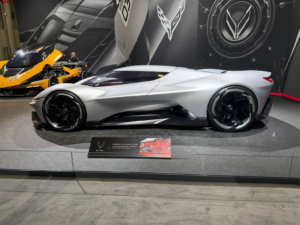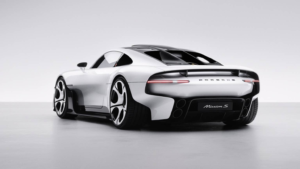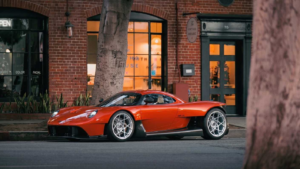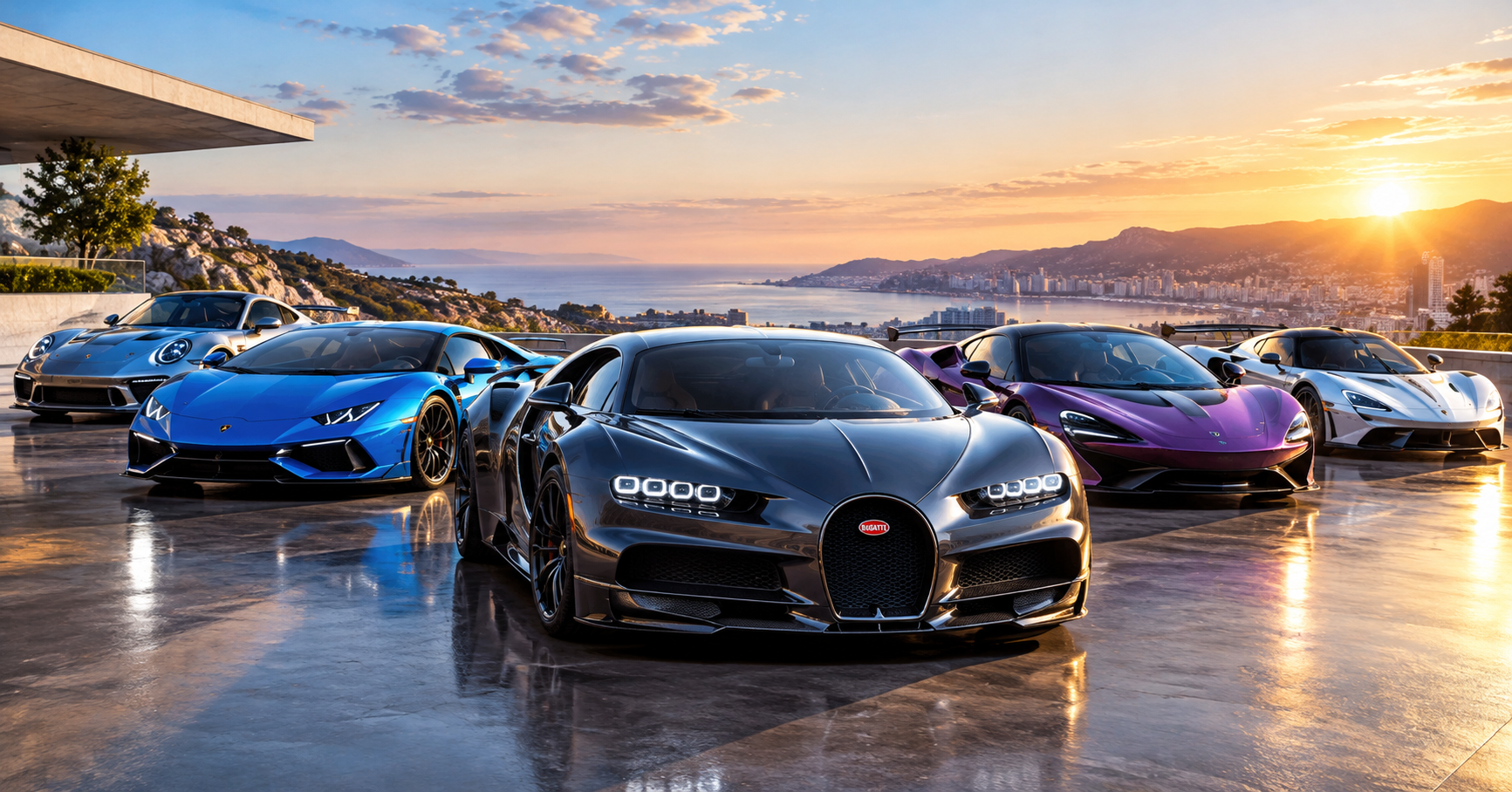
The fastest luxury cars in 2026 are redefining what it means to combine speed, technology, and exclusivity. Electric hypercars deliver extraordinary acceleration, hybrid supercars use electric assistance to sharpen performance, and established luxury brands continue to chase higher top speeds without abandoning their distinctive driving experiences.
These figures illustrate why the fastest luxury cars 2026 cannot be judged by a single number. Some models are engineered to chase extreme top speeds, others prioritize explosive acceleration, and several aim to deliver supercar performance that remains manageable on ordinary roads.
This guide examines 10 standout luxury performance cars, comparing their powertrains, acceleration figures, top-speed claims, and driving priorities. It also distinguishes independent test results from manufacturer claims to help American buyers and enthusiasts evaluate today’s elite performance machines.
How We Compare the Fastest Luxury Cars in 2026
There is no single measurement that determines the fastest luxury car. A vehicle that excels in a short acceleration test may not have the highest maximum speed, while a machine built for extreme velocity may not be the most practical choice for daily driving.
This comparison considers three primary performance measures: top speed, zero-to-60-mph acceleration, and track performance. Luxury, exclusivity, powertrain technology, and everyday usability also influence the selection.
Top Speed
Top speed measures the maximum velocity a car can achieve under suitable conditions. It is particularly important when comparing hypercars from Bugatti and Koenigsegg, although advertised maximums require careful interpretation.
A manufacturer’s projected maximum is not the same as a verified run. Tire specifications, gearing, aerodynamic conditions, electronic limiters, and the vehicle’s precise configuration can all affect the final result.
Zero-to-60-Mph Acceleration
The 0–60 mph sprint shows how quickly a car can accelerate from a standstill. It is especially relevant to American drivers because it measures performance within a familiar speed range.
Electric motors can deliver immediate torque, while hybrid systems combine electric assistance with combustion-engine power. Both approaches can produce remarkably quick launches, although traction, tires, road conditions, and testing methods influence the results.
Track Performance and Everyday Usability
Track performance involves more than straight-line speed. Braking, cornering, aerodynamic stability, cooling, and power delivery all affect how a car performs during repeated high-speed driving.
Luxury also matters. A high-performance grand tourer that offers a comfortable cabin and manageable road manners serves a different purpose from a limited-production hypercar designed around extreme performance.
The following list is an editorial selection based on acceleration, top-speed capability, exclusivity, engineering, and luxury relevance. It is not a strict ranking of verified maximum speeds.
The 10 Fastest Luxury Cars 2026
1. Rimac Nevera R: The Electric Acceleration Benchmark
The Rimac Nevera R represents the most extreme side of electric luxury performance. With four electric motors and a claimed 2,107 horsepower, it demonstrates how sophisticated electric powertrains can deliver acceleration that challenges the traditional supercar establishment.
Rimac claims a 0–60 mph time of 1.74 seconds for the Nevera R. That figure puts the electric hypercar among the most aggressive acceleration-focused machines in the luxury performance segment.
Its appeal extends beyond power output. The Nevera uses a carbon-fiber monocoque structure and active aerodynamics, combining structural engineering with systems designed to help manage the demands of high-performance driving.
Electric propulsion also changes the character of acceleration. Rather than building speed through conventional gear changes and a rising engine rev range, electric motors can deliver strong torque almost immediately.
However, extreme electric performance comes with practical considerations. Sustained high-speed driving can place substantial demands on battery energy, while charging access, vehicle weight, and the intended driving environment remain important ownership factors.
- Powertrain: Four electric motors
- Power: 2,107 hp, claimed
- 0–60 mph: 1.74 seconds, claimed
- Top speed: 258 mph, as listed in the supplied specifications
- Best suited to: Buyers seeking extreme electric acceleration and cutting-edge technology
Why it stands out: The Nevera R makes electric performance a central attraction rather than a compromise, placing instant acceleration at the heart of the hypercar experience.
2. Bugatti Chiron Super Sport 300+: The Top-Speed Icon
The Bugatti Chiron Super Sport 300+ occupies a special position in the history of high-speed production-based automobiles. Its headline achievement is a 304.773-mph record run, a figure that continues to dominate discussions about extreme automotive speed.
The car uses a quad-turbocharged W16 engine, an engineering configuration associated with Bugatti’s pursuit of extraordinary performance. Its development reflects a different philosophy from the Nevera R: instead of relying entirely on electric motors, it uses a complex combustion powertrain to pursue exceptional maximum velocity.
One distinction is essential. The 304.773-mph figure refers to the record run, not the maximum speed available to every customer car. According to the supplied research, road-going customer examples are limited to 273 mph.
That difference illustrates why a credible comparison of the fastest luxury cars 2026 must distinguish between a record achieved under specific conditions and a production vehicle’s operating limit.
The Chiron Super Sport 300+ remains an important benchmark for enthusiasts who value extreme top speed, engineering exclusivity, and the legacy of combustion-powered hypercars.
- Powertrain: Quad-turbocharged W16
- Record-run speed: 304.773 mph
- Customer-car speed limit: 273 mph, according to the supplied research
- Best suited to: Collectors and enthusiasts interested in high-speed automotive history
Why it stands out: Its record achievement demonstrates that top-speed engineering remains a distinct discipline, separate from acceleration or lap-time performance.
3. Bugatti W16 Mistral: Extreme Speed Without a Fixed Roof
The Bugatti W16 Mistral takes the brand’s high-speed philosophy into open-top territory. It combines a quad-turbocharged W16 powertrain with a roadster configuration, creating a different experience from a conventional enclosed hypercar.
The Mistral recorded a verified 282.04 mph in 2024, according to the supplied research. That achievement makes it a notable reference point in discussions of the fastest convertibles and open-top performance cars.
Removing a fixed roof introduces engineering challenges. The structure, aerodynamic behavior, and cabin environment must accommodate an open-top design while preserving the stability expected of an extreme-speed vehicle.
The Mistral’s significance is not limited to its maximum velocity. It illustrates how manufacturers can adapt high-performance engineering to different body styles without abandoning the exclusivity associated with luxury hypercars.
For buyers drawn to rare vehicles, the appeal is the combination of open-air motoring, an iconic engine configuration, and an extraordinary recorded speed.
- Powertrain: Quad-turbocharged W16
- Verified speed: 282.04 mph in 2024
- Body style: Open-top roadster
- Best suited to: Collectors seeking extreme performance in a convertible format
Why it stands out: The Mistral combines the appeal of a rare open-top luxury car with a verified high-speed achievement.
4. Koenigsegg Jesko Absolut: Aiming for the 300-Mph Club
The Koenigsegg Jesko Absolut represents the pursuit of maximum speed through aerodynamic efficiency and high-output combustion engineering. Its twin-turbocharged V-8 is part of a design focused on achieving an exceptionally high theoretical maximum velocity.
The supplied research cites a manufacturer-projected maximum of approximately 330 mph. That number should be treated as a projection rather than a verified production-car record.
This distinction is particularly important because projected top speeds are often discussed alongside achieved records as though they were equivalent. They are not. A verified run demonstrates that a specific vehicle reached a particular speed under documented conditions, while a projection describes an expected or targeted capability.
The Jesko Absolut is nevertheless an important part of the conversation about the fastest luxury cars 2026. It represents the continuing effort to push the limits of combustion-engine performance even as electric and hybrid powertrains become more prominent.
At very high speeds, aerodynamic drag becomes a major challenge. Stability, power delivery, and the vehicle’s overall configuration become increasingly important as engineers work toward extreme velocity.
- Powertrain: Twin-turbocharged V-8
- Top-speed figure: Approximately 330 mph, manufacturer-projected
- Record status: The projected maximum is not a comparable verified production-car record
- Best suited to: Enthusiasts interested in theoretical top-speed potential and advanced engineering
Why it stands out: The Jesko Absolut keeps the pursuit of extreme combustion-powered speed alive, even as electrification changes the competitive landscape.
5. Lamborghini Temerario: A 907-HP Hybrid Supercar
The Lamborghini Temerario demonstrates how electrification can enhance a supercar without removing the combustion engine from the experience. Its powertrain combines a 4.0-liter twin-turbocharged V-8 with three electric motors to produce a claimed 907 horsepower.
Car and Driver testing cited in the supplied research recorded a 0–60 mph time of 2.1 seconds and a quarter-mile run of 9.4 seconds at 150 mph. Those figures make the Temerario a compelling option for enthusiasts interested in both launch performance and acceleration through the quarter mile.
Its 213-mph top speed is listed as a manufacturer claim in the supplied brief. As with other performance figures, the distinction between an advertised maximum and an independently verified result matters.
The hybrid system combines combustion-engine character with electric assistance. That approach can improve power delivery and make acceleration more immediate, while introducing additional mechanical and electrical complexity.
The Temerario is particularly relevant to buyers who want an exotic supercar experience without choosing between a conventional combustion engine and electrified performance.
- Powertrain: 4.0-liter twin-turbo V-8 and three electric motors
- Power: 907 hp
- 0–60 mph: 2.1 seconds in Car and Driver testing
- Quarter-mile: 9.4 seconds at 150 mph in Car and Driver testing
- Top speed: 213 mph, claimed
Why it stands out: The Temerario combines serious straight-line performance with a hybrid powertrain and the distinctive character associated with Lamborghini’s supercars.
6. Porsche 911 Turbo S: The Everyday Performance Benchmark
The Porsche 911 Turbo S offers a different interpretation of extreme speed. Rather than focusing exclusively on record-breaking top speeds or limited-production exclusivity, it combines rapid acceleration with the usability expected of a road-going performance car.
For 2026, the 911 Turbo S uses a 3.6-liter flat-six hybrid system producing 701 horsepower and 590 lb-ft of torque, according to the supplied research. Its T-Hybrid setup combines two electrically assisted turbochargers with an electric motor integrated into the eight-speed dual-clutch transaxle and a small front-mounted battery.
Car and Driver testing recorded a 0–60 mph time of 2.0 seconds. That result ties the car with the Ferrari SF90 Stradale as the quickest gasoline-powered car the publication has tested to 60 mph, according to the supplied brief.
The listed top speed is 200 mph. While that figure is lower than the most extreme Bugatti and Koenigsegg claims, the Porsche’s appeal lies in its broader performance package.
For an American driver who wants a car that can deliver extraordinary acceleration without being treated solely as a track or collection vehicle, the 911 Turbo S is an especially relevant comparison. It illustrates how hybrid technology can support performance in a familiar road-car format.
Its compact footprint, performance-oriented engineering, and grand-touring character make it a different proposition from an electric hypercar or a record-focused machine.
- Powertrain: 3.6-liter flat-six hybrid
- Power: 701 hp
- Torque: 590 lb-ft
- 0–60 mph: 2.0 seconds in Car and Driver testing
- Top speed: 200 mph
Why it stands out: The 911 Turbo S makes a strong case for usable supercar performance, showing that a car does not need a record-setting top speed to be exceptionally quick.
7. Aston Martin Valhalla: Hybrid Power With Hypercar Ambitions
The Aston Martin Valhalla brings a high-output hybrid powertrain to a car built around serious performance ambitions. Its hybrid V-8 system produces a claimed 1,064 horsepower, placing it among the most powerful entries in this comparison.
Car and Driver’s supplied figures list an electronically limited top speed of 217 mph. The publication estimates a low-two-second 0–60 mph time, but that acceleration figure should not be presented as an independently verified test result.
The Valhalla is also associated with substantial aerodynamic capability. The supplied research cites 1,345 pounds of downforce, highlighting the importance of aerodynamic engineering alongside raw horsepower.
Downforce helps press a car toward the road as speed increases, potentially supporting grip and stability. Its value depends on the aerodynamic package, vehicle setup, and conditions in which the car is driven.
For buyers drawn to high-performance engineering, the Valhalla presents an alternative to the straight-line focus of some hypercars. Its appeal rests on a combination of hybrid power, aerodynamic development, and Aston Martin’s luxury performance identity.
- Powertrain: Hybrid V-8
- Power: 1,064 hp
- Top speed: 217 mph, electronically limited
- 0–60 mph: Low-two-second estimate cited in the supplied research
- Downforce: 1,345 pounds, as cited in the supplied research
Why it stands out: The Valhalla illustrates the shift toward hybrid hypercars that combine high power output with sophisticated aerodynamic development.
8. Lamborghini Revuelto: The V-12 Hybrid Flagship
The Lamborghini Revuelto provides another perspective on electrified exotic performance. As Lamborghini’s V-12 hybrid flagship, it represents a different expression of the brand’s engineering priorities from the V-8-powered Temerario.
Its inclusion also makes the Revuelto a natural comparison point for enthusiasts deciding how much emphasis to place on engine character, hybrid assistance, and the overall supercar experience.
The supplied research identifies the Revuelto as a relevant V-12 hybrid flagship but does not provide a complete set of independently tested acceleration, quarter-mile, and top-speed figures. Those numbers should be verified before publishing a strict numerical ranking against the other cars in this list.
That limitation does not make the car less relevant to the broader discussion. Performance buyers often evaluate more than a single acceleration run. Engine configuration, power delivery, vehicle character, and the intended driving experience can all shape a purchasing decision.
The Revuelto also illustrates that electrification does not necessarily mean abandoning traditional high-performance engine layouts. Hybrid systems can supplement an established combustion-engine formula rather than replace it entirely.
- Powertrain: V-12 hybrid
- Position: Lamborghini’s hybrid V-12 flagship
- Key comparison: A contrasting hybrid approach to the V-8-powered Temerario
- Best suited to: Buyers who prioritize exotic engine character and electrified performance
Why it stands out: The Revuelto demonstrates that the future of high-performance luxury cars can include electrification without eliminating the appeal of a flagship combustion engine.
9. Ferrari SF90 Stradale and SF90 XX: Hybrid Ferrari Performance
The Ferrari SF90 Stradale remains an important reference point in the discussion of hybrid supercar acceleration. It is particularly relevant because the 2026 Porsche 911 Turbo S has matched its 2.0-second 0–60 mph result in Car and Driver testing, according to the supplied research.
The comparison shows how quickly the performance benchmark can change. A car that once represented an extraordinary acceleration achievement can become the standard against which newer models are measured.
The SF90 family also provides context for Ferrari’s approach to electrification. Hybrid technology can support exceptional performance while retaining a combustion engine as a central part of the driving experience.
The SF90 XX is also relevant to enthusiasts exploring the broader SF90 performance family. However, the supplied research does not provide a consistent set of tested figures for both variants, so their specifications should not be treated as interchangeable.
For shoppers comparing the fastest luxury cars 2026, the Ferrari is best considered a benchmark for hybrid supercar engineering rather than assigned an unsupported position in a strict top-speed ranking.
- Models considered: Ferrari SF90 Stradale and SF90 XX
- Key reference: The SF90 Stradale reached 60 mph in 2.0 seconds in Car and Driver testing
- Performance focus: Hybrid acceleration and high-performance engineering
- Best suited to: Buyers interested in Ferrari’s approach to electrified supercars
Why it stands out: The SF90 family provides a useful benchmark for measuring how newer hybrid performance cars compare with established leaders.
10. McLaren 750S: A Driver-Focused Alternative
The McLaren 750S provides a different perspective on the luxury performance market. Where some cars in this comparison emphasize extreme top-speed targets or complex hybrid powertrains, the 750S offers a driver-focused alternative within the supercar category.
It is included as a counterpoint to the hybrid-heavy entries, highlighting that the fastest luxury cars 2026 are not defined by one powertrain strategy alone. Buyers may value a particular car for its driving character and engineering approach as much as for a headline acceleration number.
The supplied research identifies the McLaren 750S as a candidate for this list but does not provide a consistent set of verified performance measurements for a direct comparison with every other model. Its precise position in a numerical ranking should therefore depend on confirmed specifications and comparable independent testing.
This is an important distinction for shoppers. A vehicle’s reputation, power output, or design does not automatically establish that it is quicker than every rival under all conditions.
For enthusiasts who want an exotic performance car that offers a different experience from the heavy emphasis on electrification found elsewhere in this list, the 750S deserves consideration.
- Model: McLaren 750S
- Role in this comparison: Driver-focused supercar alternative
- Key consideration: Evaluate independently tested performance alongside handling and driving character
- Best suited to: Enthusiasts prioritizing a focused supercar experience
Why it stands out: The 750S broadens the comparison beyond record-setting numbers, reinforcing the importance of the complete driving experience.
Hybrid vs. Electric vs. Combustion: Which Is Fastest?
The most important trend among the fastest luxury cars 2026 is the growing diversity of powertrain technology. Electric, hybrid, and combustion-powered vehicles can all deliver extraordinary performance, but each approach has distinct strengths.
Electric Hypercars: Immediate Acceleration
Electric hypercars such as the Rimac Nevera R can use multiple motors to deliver strong torque and manage power delivery across the wheels. The result can be exceptionally rapid acceleration from a standstill.
Electric vehicles also offer quiet operation during ordinary driving. However, range, charging access, battery demands, and the energy required for sustained high-speed driving remain important considerations for owners.
Hybrid Supercars: Combining Two Power Sources
Hybrid supercars combine combustion engines with electric assistance. The Porsche 911 Turbo S, Lamborghini Temerario, and Aston Martin Valhalla demonstrate different ways this technology can support high-performance driving.
Electric assistance can contribute to acceleration and power delivery, while the combustion engine retains a central role in the vehicle’s character. The trade-off is added system complexity, including batteries, electric motors, and associated cooling and control systems.
Combustion Hypercars: The Pursuit of Maximum Speed
Combustion-powered hypercars remain relevant to the pursuit of extreme top speed. The Bugatti Chiron Super Sport 300+ and Koenigsegg Jesko Absolut illustrate the continued importance of high-output engines and aerodynamic development.
These cars also demonstrate why a projected maximum speed should never be confused with a verified result. Their engineering ambitions may be extraordinary, but a meaningful comparison still requires clearly defined testing conditions and documented results.
Which Performance Measurement Matters Most?
The best measurement depends on what a driver wants to understand.
- For launch performance: Compare independently tested 0–60 mph times, using the same testing publication where possible.
- For quarter-mile acceleration: Look at elapsed time and trap speed, not just horsepower.
- For maximum velocity: Separate verified runs from manufacturer claims and electronically limited speeds.
- For track driving: Consider braking, cornering, repeatability, cooling, and aerodynamic stability.
- For daily use: Evaluate comfort, visibility, ride quality, charging needs, and the practical demands of ownership.
These distinctions prevent a common mistake: assuming that the car with the highest published top speed must also be the quickest from a standstill or the best-performing vehicle on a circuit.
Pros and Cons of Today’s Fastest Luxury Cars
Advantages
- Exceptional acceleration: Electric motors and hybrid assistance can deliver remarkably quick launches.
- Advanced engineering: Active aerodynamics, sophisticated powertrain controls, and specialized chassis systems support performance.
- Multiple driving personalities: Buyers can choose between electric refinement, hybrid versatility, and combustion-engine character.
- High exclusivity: Limited-production hypercars can offer distinctive design and collectible appeal.
- Everyday performance options: Cars such as the Porsche 911 Turbo S show that extreme acceleration can coexist with road-going usability.
Disadvantages
- High purchase costs: These vehicles occupy the premium end of the automotive market.
- Maintenance complexity: High-output engines, hybrid systems, and specialized components can increase service demands.
- Practical limitations: Low ground clearance, restricted luggage space, and limited visibility can make some cars less convenient.
- Electric range considerations: Repeated high-power driving can increase energy consumption, making charging access important.
- Limited opportunities for extreme speed: Public roads rarely provide appropriate conditions for approaching a hypercar’s maximum capability.
How to Choose Among the Fastest Luxury Cars in 2026
The right choice depends on how the vehicle will be used, rather than on its position in a headline ranking.
For Maximum Electric Acceleration
The Rimac Nevera R is the standout candidate in this comparison. Its claimed 1.74-second 0–60 mph time and 2,107-hp output make it particularly relevant to buyers who want electric hypercar performance.
For Extreme Top-Speed Heritage
The Bugatti Chiron Super Sport 300+ is the clearest choice for enthusiasts interested in a documented high-speed achievement. The Koenigsegg Jesko Absolut is also worth watching, but its approximately 330-mph figure remains a manufacturer projection in the supplied research.
For a Road-Going Performance Car
The Porsche 911 Turbo S offers one of the strongest combinations of acceleration and everyday usability in this group. Its independently tested 2.0-second sprint to 60 mph is particularly impressive for a road-going performance model.
For Hybrid Supercar Character
The Lamborghini Temerario, Aston Martin Valhalla, and Lamborghini Revuelto demonstrate how different brands are incorporating electric assistance into exotic performance cars. The best option depends on the balance of engine character, technology, and driving priorities that matters most to the buyer.
For Open-Top Exclusivity
The Bugatti W16 Mistral is the standout option among the cars discussed here for enthusiasts who want an open-top configuration paired with an exceptional verified speed achievement.
Frequently Asked Questions
What is the fastest luxury car in 2026?
The answer depends on how speed is measured. The Bugatti Chiron Super Sport 300+ recorded a 304.773-mph run, while the Rimac Nevera R has a manufacturer-claimed 0–60 mph time of 1.74 seconds. These figures describe different performance achievements and should not be treated as directly interchangeable.
What is the fastest-accelerating luxury car in 2026?
Among the vehicles in this comparison, Rimac claims that the Nevera R reaches 60 mph in 1.74 seconds. The Porsche 911 Turbo S reached 60 mph in 2.0 seconds in Car and Driver testing, making it a notable independently tested reference point.
Is the Rimac Nevera R faster than the Bugatti Chiron Super Sport 300+?
It depends on the measurement. The Nevera R has the more aggressive claimed 0–60 mph figure in the supplied research, while the Chiron Super Sport 300+ holds the cited 304.773-mph record-run figure. One is an acceleration comparison; the other is a top-speed achievement.
Are electric hypercars faster than gasoline-powered cars?
Electric hypercars can be exceptionally quick from a standstill because electric motors deliver torque immediately. However, maximum speed, track performance, and sustained high-speed capability depend on many other factors. No single powertrain type wins every performance category.
What is the fastest convertible among these luxury cars?
The Bugatti W16 Mistral is the open-top model highlighted in this comparison. The supplied research cites a verified 282.04-mph run in 2024, making it a major reference point for discussions of high-speed convertibles.
Is the Koenigsegg Jesko Absolut really capable of 330 mph?
Approximately 330 mph is a manufacturer-projected maximum cited in the supplied research, not a comparable verified production-car record. It should be described as a projection until an appropriately documented run establishes the result.
Why is the Porsche 911 Turbo S included in a list of elite hypercars?
The 911 Turbo S offers an important comparison because it combines a 2.0-second independently tested 0–60 mph time with a 200-mph top speed and a road-going performance focus. It demonstrates that exceptional acceleration does not require a vehicle to be a limited-production, record-focused hypercar.
Are hybrid luxury cars worth considering?
Hybrid performance cars can combine electric assistance with combustion-engine power, helping deliver rapid acceleration while retaining familiar engine characteristics. Buyers should also consider added mechanical complexity, maintenance needs, and the particular vehicle’s intended use.
Are these cars street-legal in the United States?
Road legality depends on the specific model, configuration, certification, and registration requirements. Limited-production vehicles may have different homologation or import considerations, and state rules can vary. Buyers should verify the relevant U.S. certification and registration status before assuming a particular example can be legally driven on public roads.
What should buyers compare before purchasing a fast luxury car?
Start with independently tested acceleration and clearly documented top-speed figures. Then consider handling, braking, comfort, reliability, service access, insurance, operating costs, and whether the car’s performance can be enjoyed in the intended driving environment.
Final Verdict: The Fastest Luxury Cars 2026 Offer More Than Speed
The fastest luxury cars 2026 reflect a performance market in transition. Electric hypercars are pushing acceleration toward extraordinary new benchmarks, hybrid systems are becoming central to established supercar brands, and combustion-powered machines continue to pursue record-setting top speeds.
The Rimac Nevera R stands out for its claimed electric acceleration, while the Bugatti Chiron Super Sport 300+ remains a defining reference point for extreme top-speed achievement. The Lamborghini Temerario and Aston Martin Valhalla demonstrate the potential of hybrid performance, and the Porsche 911 Turbo S shows how electrification can enhance a car designed for road-going usability.
For prospective buyers, the most useful lesson is to look beyond a single headline number. A verified acceleration time, a documented top-speed run, and a manufacturer’s projection each tell a different story. Understanding those differences makes it easier to compare cars fairly and identify the machine that best matches a buyer’s priorities.
Ultimately, the best luxury performance car is not necessarily the one with the highest theoretical maximum speed. It is the one whose engineering, driving character, comfort, and performance align with what its owner values most.