Michigan winters can take a serious toll on a vehicle, from road salt collecting beneath the chassis to potholes damaging tires and suspension components. For drivers researching auto repair in Pontiac, MI, understanding how winter conditions affect a car can help prevent avoidable damage, identify safety concerns early, and make maintenance decisions with greater confidence.
Snow, ice, and road salt can damage brakes, accelerate undercarriage corrosion, and contribute to suspension and tire problems. Drivers looking for auto repair in Pontiac, MI should understand these risks and recognize when professional inspection is appropriate. Fenkell Automotive is located in Auburn Hills, Michigan, and its website provides information for drivers researching automotive service options.
How Does Michigan Road Salt Damage a Vehicle?
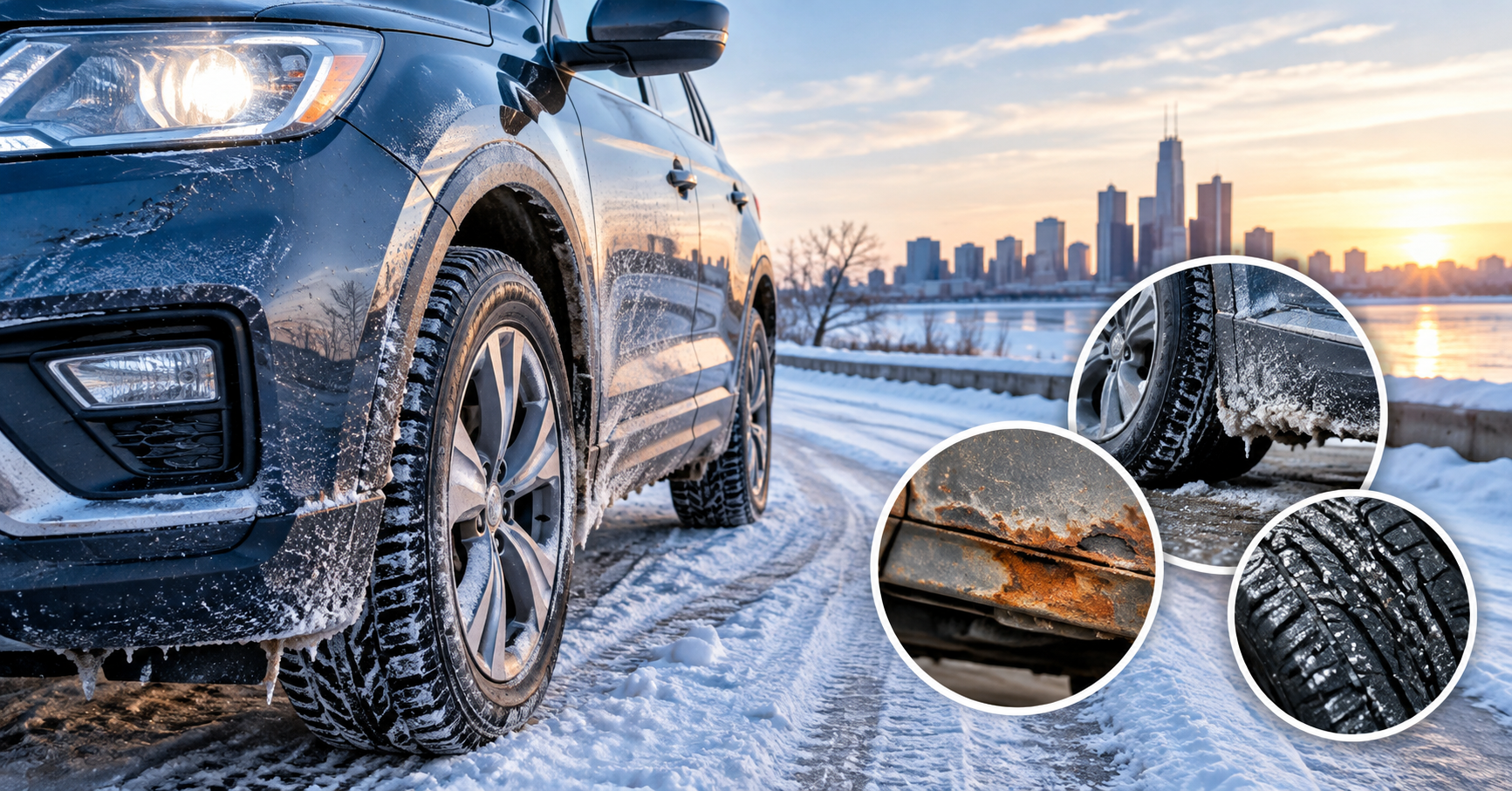
Road salt helps melt ice and improve driving conditions, but it can also accelerate corrosion when it comes into contact with exposed metal. When salt mixes with water, it creates an electrolyte that helps corrosion develop more readily on susceptible metal surfaces.
Slush and salty water can reach areas that are difficult to see or clean, including the underside of the vehicle, wheel wells, brake hardware, suspension connections, and body seams. As the water evaporates, salt residue may remain behind and become wet again during later snowstorms or periods of thawing.
This repeated exposure can gradually weaken protective coatings and contribute to vehicle corrosion. The risk varies according to the vehicle’s age, materials, condition, and existing rust protection, so not every car will experience the same level of damage.
Why the Freeze-Thaw Cycle Matters
Michigan temperatures often fluctuate around the freezing point. Snow and ice melt during warmer periods, allowing salty moisture to spread into small openings and crevices. When temperatures drop again, the moisture freezes, and the cycle repeats.
These changing conditions also affect road surfaces. Water can enter small cracks in pavement, freeze, expand, and contribute to pothole formation. Drivers consequently face two related maintenance challenges: corrosion from winter chemicals and mechanical damage from deteriorating roads.
Protecting Brakes From Winter Salt and Moisture
Your braking system deserves particular attention because corrosion and winter contamination can affect components responsible for safe stopping. Brake rotors, calipers, backing plates, mounting hardware, and exposed brake lines may all be affected by moisture and road salt.
A light layer of surface rust on exposed brake rotors can develop when a vehicle sits in damp conditions. In many cases, normal braking removes this superficial rust. However, persistent corrosion, uneven rotor surfaces, damaged hardware, or deterioration of brake lines may require professional attention.
Brake Warning Signs Drivers Should Not Ignore
Pay attention to changes in braking performance, especially after a winter of frequent driving on treated roads. Arrange an inspection if you notice:
-
- A grinding, scraping, or persistent squealing noise when braking.
-
- Vibration through the steering wheel or brake pedal during normal stops.
-
- The vehicle pulling to one side when you apply the brakes.
-
- A brake pedal that feels unusually soft, sinks toward the floor, or requires more pressure than usual.
-
- A brake warning light or visible fluid leakage near a wheel or beneath the vehicle.
These symptoms can have several causes, and they should not automatically be attributed to road salt. A qualified technician can inspect the pads, rotors, calipers, brake lines, and related hardware to determine whether cleaning, repairs, or replacement is necessary.
If braking performance has changed, do not delay an inspection. Brake problems can worsen over time, and continuing to drive with a potentially compromised braking system may put you and others at risk.
Undercarriage Rust Prevention: What Should You Check?
The underside of a vehicle is especially exposed to winter grime because tires continually throw salty water and debris against the chassis. Depending on the vehicle’s design and condition, vulnerable areas can include the frame or unibody structure, subframes, floor panels, exhaust components, suspension mounting points, and metal fasteners.
Some corrosion begins as surface discoloration, while more advanced deterioration can affect the strength of structural components. Rust around suspension mounting points or other load-bearing areas is particularly important because these parts help maintain the vehicle’s stability and structural integrity.
Why Exhaust Systems and Fasteners Need Attention
Exhaust pipes, mufflers, clamps, and other metal exhaust components experience moisture and temperature changes throughout the year. Salt exposure can accelerate corrosion, particularly where protective coatings have deteriorated or moisture collects.
Bolts, brackets, and other fasteners can also corrode. As rust develops, these parts may become harder to remove during routine service, complicating future repairs. Corrosion around fuel or brake lines can be more consequential because deterioration may compromise systems that are essential for safe operation.\
How to Reduce Undercarriage Corrosion
Regular washing helps remove accumulated salt before it has repeated opportunities to attack vulnerable surfaces. During winter, use a car wash that offers an underbody rinse when practical, particularly after driving through heavily salted slush.
Pay attention to wheel wells, lower body panels, and the areas behind the wheels, where grime often accumulates. Washing reduces salt exposure but cannot reverse existing rust or guarantee that corrosion will not develop.
If you notice bubbling paint, flaking metal, unusually heavy rust, or visible deterioration around structural components, arrange a professional inspection. Avoid scraping, sanding, or coating heavily corroded structural areas without understanding the extent of the damage.
How Winter Potholes Affect Suspension, Steering, and Tires
Salt is not the only winter hazard. Potholes, hidden patches of ice, and uneven pavement can place sudden loads on wheels and suspension components. Hitting a deep pothole at speed may damage a tire, bend a wheel, disturb alignment, or strain steering and suspension parts.
Commonly affected components include control arms, ball joints, tie rods, bushings, struts, and shock absorbers. Their condition and susceptibility to damage depend on the impact, the vehicle’s design, and any wear that was already present.
Signs of Pothole-Related Damage
After a substantial impact, watch for these changes:
-
- The steering wheel is no longer centered when driving straight.
-
- The vehicle pulls to the left or right on a reasonably level road.
-
- You hear new clunking or knocking sounds over bumps.
-
- The steering feels loose, unusually heavy, or less predictable.
-
- A tire develops a bulge, cut, or unexplained loss of pressure.
-
- The vehicle bounces excessively or feels unstable after hitting uneven pavement.
Wheel alignment problems can cause uneven tire wear and affect handling, but an alignment adjustment alone will not repair a bent wheel or damaged suspension component. A proper diagnosis should identify the underlying problem before adjustments are made.
Maintaining Tire Pressure in Cold Weather
Cold air causes tire pressure to decrease, even when a tire has no puncture. A tire that was correctly inflated during mild weather may fall below its recommended pressure after temperatures drop.
Underinflated tires can wear unevenly, reduce handling precision, and increase rolling resistance. They may also be more vulnerable to damage when striking potholes. Overinflation is not a solution because it can also compromise tire performance and wear patterns.
For reliable winter tire maintenance:
-
- Check pressure when the tires are cold, ideally before driving or after the vehicle has been parked for several hours.
-
- Follow the recommended pressure on the driver’s door-jamb label or in the owner’s manual, rather than the maximum pressure printed on the tire sidewall.
-
- Inspect tread depth and look for cracks, cuts, bulges, and uneven wear.
-
- Check pressure regularly throughout winter, including before longer trips.
-
- Make sure the tires installed are appropriate for local winter conditions and your driving needs.
If the tire pressure monitoring system repeatedly reports low pressure in one tire, have it checked for a leak or other damage. Temperature changes can explain a pressure drop, but repeated losses should not be dismissed as normal seasonal behavior.
A Practical Winter Car Care Checklist for Michigan Drivers
A few consistent habits can reduce the likelihood of winter-related maintenance problems. The following checklist covers useful steps to take before the first snowfall, throughout winter, and when spring arrives.
Before Winter Begins
-
- Test the battery and charging system, particularly if the battery is several years old or has struggled to start the engine.
-
- Check antifreeze concentration and cooling-system condition according to the manufacturer’s recommendations.
-
- Inspect tires, including tread condition and cold-weather pressure.
-
- Have worn brake pads, damaged brake lines, and other known safety issues addressed.
-
- Check windshield wipers, washer fluid suitable for freezing temperatures, headlights, and exterior lights.
-
- Inspect belts, hoses, and other maintenance items due for service.
-
- Review the owner’s manual for recommended maintenance intervals and cold-weather guidance.
During Winter
-
- Wash away road salt periodically, using an underbody rinse when available.
-
- Check tire pressure regularly as temperatures change.
-
- Listen for new brake noises and pay attention to changes in steering or suspension behavior.
-
- Remove heavy snow and ice from the windows, mirrors, lights, and roof before driving.
-
- Keep the fuel tank adequately filled and carry an emergency kit suited to winter travel.
-
- Follow the maintenance schedule rather than waiting for a warning light to appear.
After Winter Ends
-
- Give the exterior, wheel wells, and undercarriage a thorough wash to remove remaining salt and grime.
-
- Inspect visible body panels and lower door edges for bubbling paint or emerging rust.
-
- Have the brakes checked if noises, vibration, or performance changes occurred during winter.
-
- Check tires for uneven wear and arrange an alignment assessment if steering or handling has changed.
-
- Ask for an undercarriage inspection if the vehicle is older, has existing corrosion, or has spent the season on heavily salted roads.
-
- Address any overdue maintenance before summer driving and longer road trips.
When Is Routine Maintenance Enough, and When Do You Need a Professional?
Many preventive tasks are straightforward. Drivers can monitor tire pressure, wash away salt, check exterior lights, inspect visible tire damage, and follow the maintenance schedule without specialized equipment.
Other problems require tools, experience, or access to areas that cannot be safely assessed from outside the vehicle. Brake-line corrosion, structural rust, suspension damage, steering faults, and persistent warning lights should be evaluated by a qualified automotive professional.
Use the following process to decide what to do when you notice a possible winter-related problem:
-
- Identify the symptom. Note when it occurs, such as during braking, over bumps, at highway speeds, or after a cold start.
-
- Check what you can safely observe. Look for tire damage, warning lights, visible leaks, or loose exterior components. Never crawl beneath a vehicle supported only by a jack.
-
- Consider whether the issue affects safety. Brake failure symptoms, severe steering problems, a visibly damaged tire, or suspected structural damage require prompt attention.
-
- Arrange an appropriate inspection. Explain the symptoms and any recent pothole impacts or unusual driving conditions so the technician can investigate the likely causes.
-
- Follow up on the findings. Ask which repairs are safety-critical, which can be scheduled later, and whether any additional maintenance is recommended.
If the brakes feel unreliable, steering becomes difficult, or a tire has a significant bulge or other serious damage, stop driving as soon as it is safe and arrange appropriate assistance. Continuing to drive may worsen the damage or put you and others at risk.
Choosing an Auto Repair Shop for Winter-Related Problems
When choosing a repair facility, look for clear explanations of the diagnosis, written estimates, and a willingness to distinguish urgent safety repairs from preventive maintenance. Ask what the inspection covers, which parts are affected, and why a recommended repair is necessary.
For Michigan drivers, an inspection may need to account for more than the obvious symptom. A grinding brake, for example, calls for examination of the braking system, while uneven tire wear may justify checking tire condition, alignment, and suspension components. Identifying the underlying cause helps avoid replacing parts without addressing the actual problem.
Location also matters when arranging service. Fenkell Automotive lists its address as 2670 Auburn Ct, Auburn Hills, MI 48326, and its phone number as (248) 276-6450. Pontiac-area drivers can review the business’s service information and confirm whether its location and services meet their needs.
Conclusion: Make Winter Maintenance Part of Your Routine
Michigan’s winter conditions can affect nearly every part of a vehicle, from brake hardware and underbody metal to tires, steering, and suspension. Regular washing, correct tire pressure, seasonal inspections, and timely attention to unusual symptoms are practical ways to reduce the risk of expensive repairs.
Start with the maintenance tasks recommended in your owner’s manual, remove accumulated road salt when possible, and arrange a professional inspection whenever braking, steering, tire condition, or structural integrity raises concerns. Consistent preventive maintenance will not make a vehicle immune to winter damage, but it can help you identify problems earlier and keep your car safer and more dependable throughout the year.