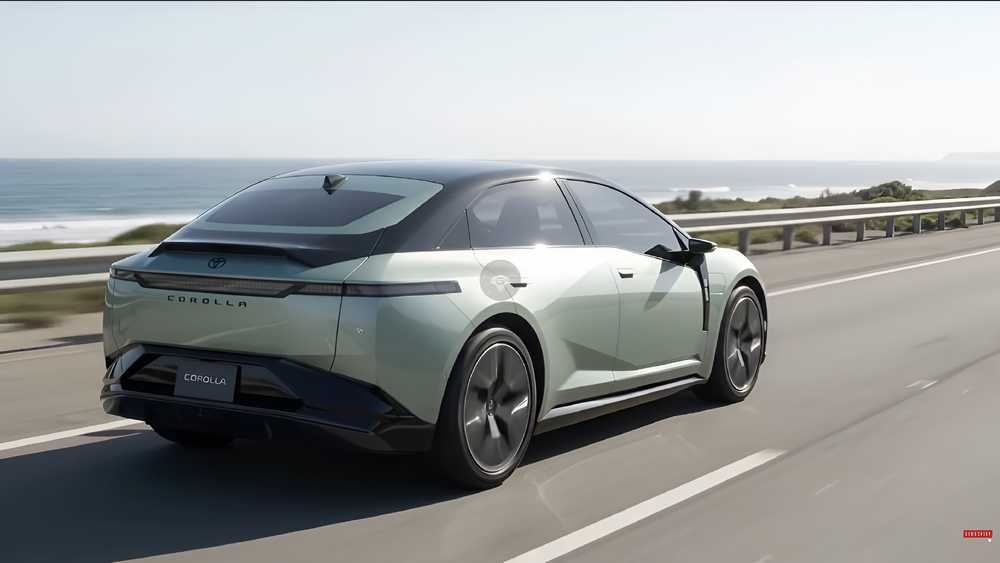
Toyota appears to be preparing a major change for the next-generation Corolla, with a new electrical system reportedly designed to accommodate gasoline, hybrid, plug-in hybrid and fully electric powertrains on a shared vehicle platform. The development follows the unveiling of a sleek Corolla concept last year, suggesting that Toyota intends to bring its flexible powertrain strategy to one of its most important models.
The current Toyota Corolla debuted for the 2020 model year, and the automaker has already offered a preview of its potential successor. A report from Japanese outlet Nikkei Cross Tech, covered by Motor1, indicates that Toyota is developing a system intended to make it easier to offer different powertrains within a single chassis, potentially giving the next Corolla greater flexibility as market demands change.
Next Toyota Corolla Could Offer Gas, Hybrid and EV Options
According to the report, Toyota is working on a new electrical system for the next-generation Corolla that would simplify the integration of different powertrain configurations. The system is expected to make it easier to customize vehicle components to accommodate the requirements of each powertrain and its effects on the chassis, although detailed technical information has not been disclosed.
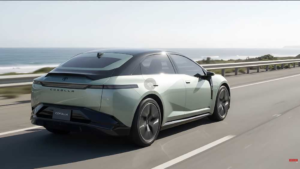
The development lends credibility to a key feature of last year’s Corolla concept: its ability to accommodate multiple powertrain types. Rather than limiting the production model to a single propulsion system, Toyota could offer several versions built around different energy sources.
Potential configurations include a conventional internal combustion engine, a standard hybrid, a plug-in hybrid and a fully electric powertrain. Toyota also suggested when unveiling the concept that hydrogen could play a role in the combustion-engine version, potentially drawing on the company’s experiments with hydrogen-combustion engines in racing.
What We Know About the Next Corolla’s Powertrains
Although Toyota has not released complete specifications for the next-generation Corolla, some details about its potential powertrain lineup have emerged.
The fully electric versions are expected to include both single-motor and dual-motor configurations, with a driving range of up to 250 miles. Offering both setups would give buyers different electric powertrain options within the same model family.
The hybrid version will reportedly use a 1.5-liter four-cylinder engine. For a conventional gasoline-powered model, Toyota could use a turbocharged version of that engine or develop a new version of the current 2.0-liter naturally aspirated four-cylinder.
The hybrid configurations could also incorporate a rear electric motor, similar to the arrangements available in current Toyota hybrids. The plug-in hybrid version could go further by using a particularly large rear motor to deliver additional power, following an approach similar to that of the RAV4 plug-in.
These details remain reported possibilities rather than confirmed production specifications. Toyota has not provided a complete breakdown of the next Corolla’s engines, electric motors or performance figures.
Why Toyota’s Flexible Powertrain Strategy Makes Sense
Developing efficient vehicles and electric cars is one challenge for automakers. Deciding which types of vehicles to build has become another, as government incentives, regulations and customer preferences have shifted over the past decade.
Electric vehicles once appeared poised to dominate global automotive markets by the end of the decade. However, some manufacturers that invested heavily in that expectation have found themselves without sufficient hybrid offerings, with General Motors cited as one example.
A Corolla platform capable of supporting several powertrain types could give Toyota more flexibility to respond to changing demand. Instead of committing the model exclusively to gasoline, hybrid or electric propulsion, the company could potentially offer multiple configurations within the same vehicle family.
Toyota would not be alone in pursuing this approach. Stellantis has invested considerable effort in making products based on its STLA platforms compatible with both combustion and electric powertrains.
The results have been mixed, with American products struggling while European offerings have been comparatively successful. However, the performance of these vehicles depends more on how well they are executed and how closely they match their respective markets than on powertrain flexibility alone.
Why the Next Toyota Corolla Matters to the Brand
The Corolla remains one of Toyota’s most important models, with more than 50 million units sold. Although the RAV4 and Camry have surpassed it in the United States, the Corolla continues to play an essential role in Toyota’s lineup both in America and internationally.
Toyota’s latest sales report shows that the company sold 195,141 Corollas between January and September 2026, an increase of 8.4% compared with the same period last year.
Those sales figures underscore the model’s continued importance as Toyota prepares to update its compact car. The current generation, introduced for the 2020 model year, is getting older, making the development of its successor a significant step for the automaker.
Toyota Prepares the Corolla for a Changing Market
The next-generation Corolla could represent a broader shift in how Toyota approaches powertrain development, with a single vehicle architecture potentially supporting gasoline, hybrid, plug-in hybrid and fully electric versions. The reported new electrical system would help accommodate those different configurations, although Toyota has yet to confirm the final production lineup.
With the Corolla concept already demonstrating a design intended to support multiple powertrains, the latest report suggests that flexibility could become a central feature of the production model. For Toyota, keeping the Corolla competitive while responding to changing customer preferences remains important for one of its best-selling nameplates.