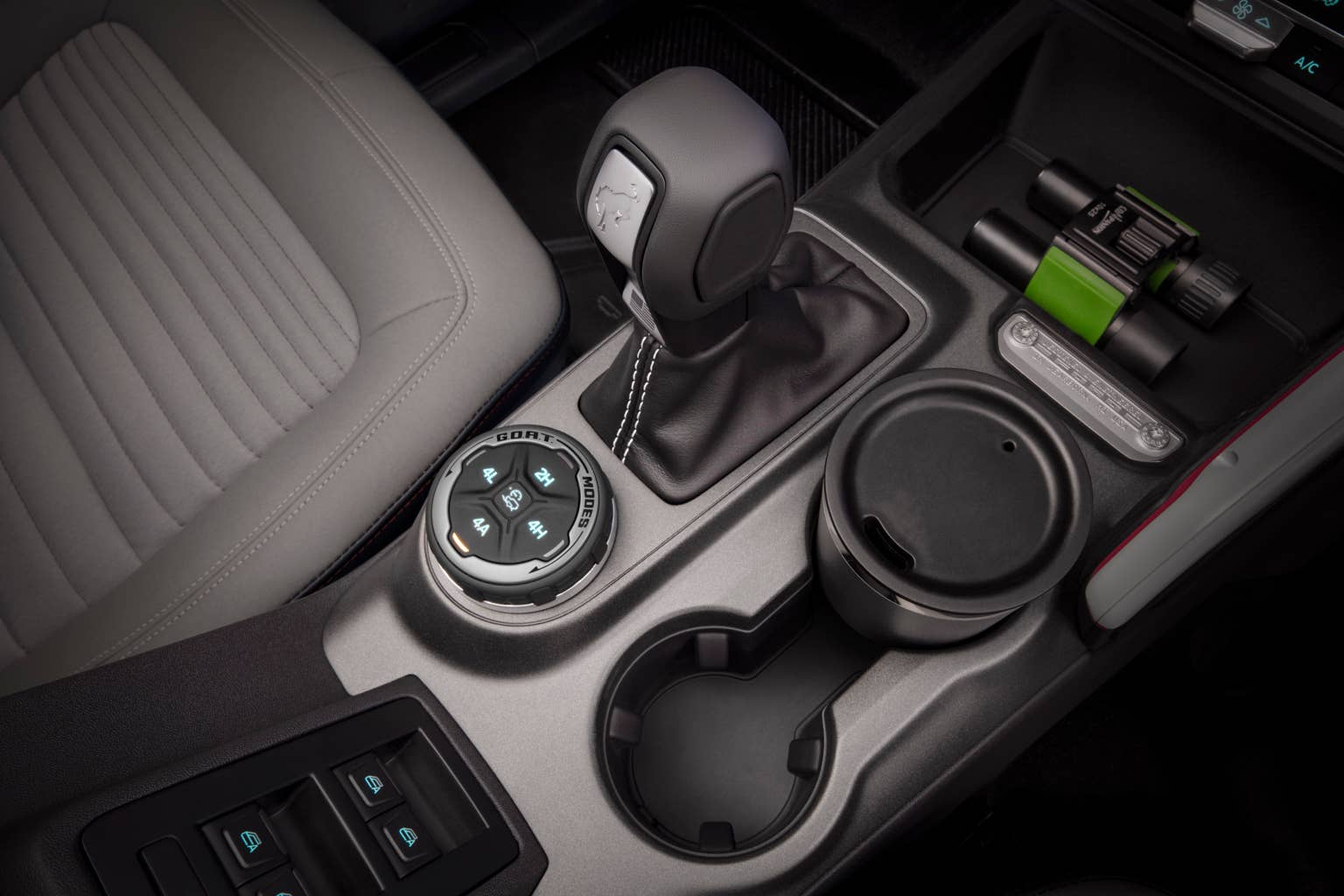
A common driving habit could accelerate automatic transmission wear and lead to costly repairs, according to a mechanic whose recent TikTok video has drawn more than 164,000 views. The warning centers on shifting from reverse into drive before a vehicle comes to a complete stop, a maneuver that can place unnecessary stress on internal drivetrain components over time.
Although making this mistake once is unlikely to destroy a transmission immediately, repeatedly changing direction while a vehicle is still moving can increase friction, generate excess heat and accelerate mechanical wear. Automotive manufacturers also warn drivers to stop completely before switching between directional gears.
Why Shifting Before a Complete Stop Can Damage a Transmission
In a standard automatic transmission, internal clutches and bands help transfer power to the wheels. Shifting from reverse to drive while the vehicle is still rolling backward forces these components to counteract the existing momentum, creating additional friction and heat.
A single hurried shift in a parking lot is unlikely to cause immediate transmission failure. However, repeated instances over years of daily driving can contribute to premature component wear and potentially lead to expensive mechanical problems.
The mechanic’s viral video has sparked an online discussion about how everyday driving habits can affect vehicle longevity. The warning highlights a simple precaution: allow the vehicle to come to a complete stop before selecting the opposite direction.
Automakers Warn Drivers to Stop Before Changing Gears
The advice is consistent with vehicle manufacturers’ guidance. Automakers, including Mazda, explicitly instruct drivers in their owner’s manuals to stop completely before shifting between directional gears.
Modern automatic transmissions are complex mechanical systems, and replacing one can be a significant expense. For example, owners experiencing Subaru CVT problems can face replacement costs approaching $7,000.
Transmission durability has also attracted increased scrutiny across the automotive industry. Class-action litigation involving faulty GM gearboxes illustrates how transmission problems can leave drivers stranded and generate widespread frustration among vehicle owners.
Adding unnecessary mechanical stress through improper shifting habits can further increase the risk of problems. Following manufacturer recommendations is a straightforward way to avoid placing additional strain on the drivetrain.
Why No Vehicle Is Completely Immune to Mechanical Problems
Some commenters responding to the TikTok video argued that their vehicles were less susceptible to transmission wear because of their manufacturers’ reputations. However, the underlying need to handle mechanical components properly applies across automotive brands.
Even highly regarded automakers can encounter unexpected problems. Recent discoveries of machining debris inside recalled Toyota engines illustrate how manufacturing defects can affect vehicles regardless of brand reputation.
While manufacturing issues and driving-related wear are different problems, the examples underscore that no vehicle is entirely immune to mechanical failures.
Transmission Fluid Changes Are Also Essential
The discussion surrounding the video also revealed that some drivers were unaware of the maintenance requirements associated with automatic transmissions. Many viewers expressed surprise that these systems require routine transmission fluid changes.
Automotive organizations such as AAA emphasize that transmission fluid plays an important role in lubricating and cooling internal components. However, recommended service intervals vary considerably by manufacturer, ranging from 30,000 miles to more than 100,000 miles, depending on the vehicle’s engineering requirements.
Drivers should consult their vehicle’s maintenance guidelines to determine the appropriate service schedule. Routine fluid changes are important, but they cannot eliminate the effects of repeated improper shifting.
A Simple Driving Habit Can Help Prevent Costly Repairs
Protecting an automatic transmission begins with a basic adjustment: bring the vehicle to a complete stop before shifting from reverse to drive or from drive to reverse. The habit requires no additional equipment or expense and helps reduce unnecessary stress on internal components.
Combined with following manufacturer-recommended maintenance schedules, careful shifting can help drivers limit avoidable drivetrain wear. Taking a moment to stop before changing direction may help prevent premature transmission damage and reduce the risk of costly repairs.