France and Germany are pushing the European Union to allow new combustion-engine cars to remain on sale after 2035, proposing a 90% reduction in new-car CO2 emissions without requiring automakers to offset the remaining 10% through other measures. If the proposal wins approval, BMW could retain a path to sell gasoline-powered cars, plug-in hybrids and range-extender vehicles in Europe beyond the deadline originally intended to phase them out.
The Franco-German position, reported by Reuters on Friday, goes further than the European Commission’s December proposal. While the commission also proposed a 90% emissions reduction, it wanted automakers to compensate for the remaining emissions through measures involving low-carbon steel and alternative fuels. Under the new approach, Paris secured stricter “Made in Europe” requirements for subsidies and public procurement, with Britain treated as a trusted partner. German Chancellor Friedrich Merz said the combustion engine ban is now history.
What the EU’s 2035 Proposal Means for BMW
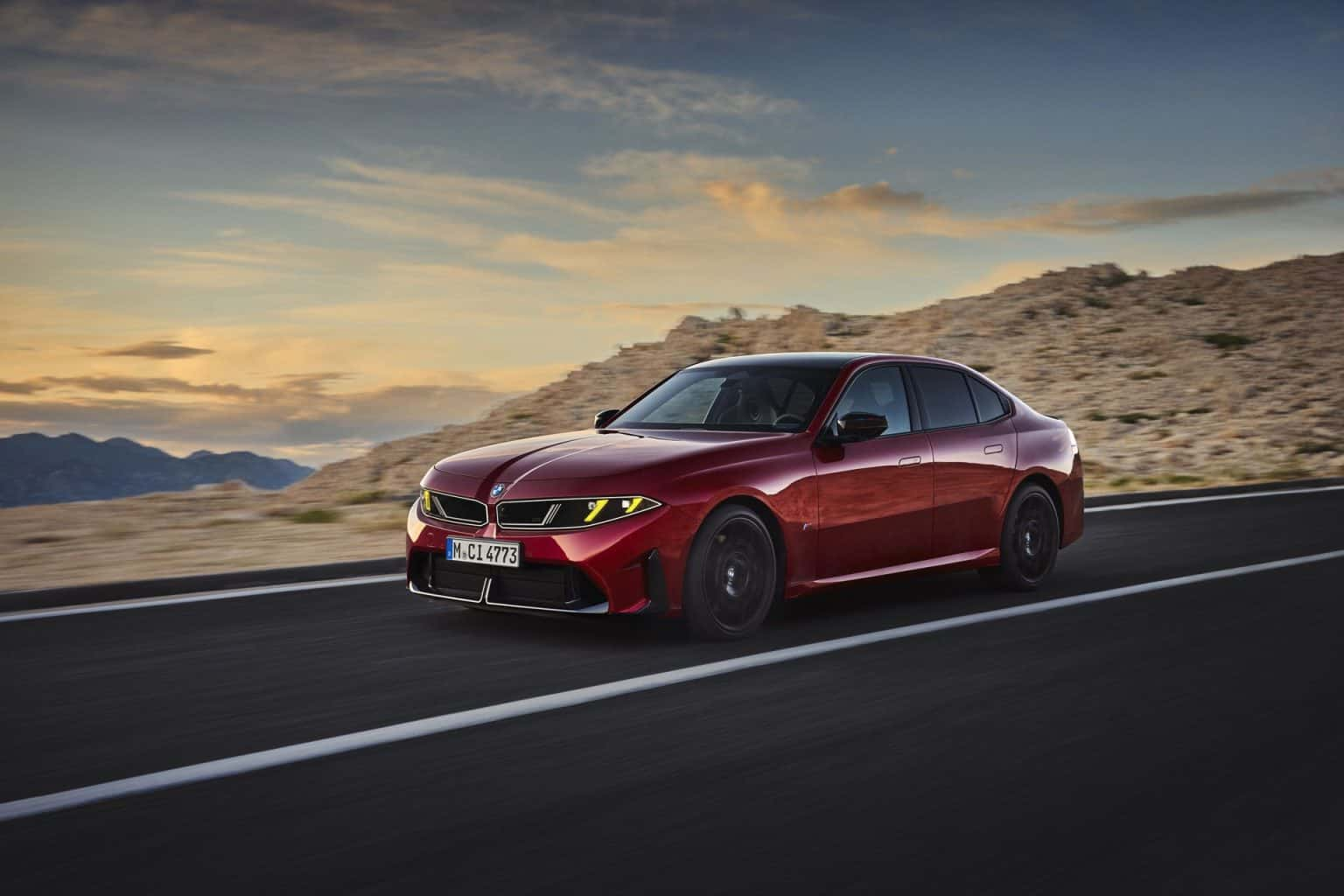
The proposed changes could give BMW greater flexibility in planning its future European lineup. Seventeen days before the deal was reported, the Munich-based automaker unveiled a G50 3 Series that resembles the electric i3 but retains gasoline engines on the CLAR platform. The i3, by contrast, uses dedicated Neue Klasse hardware.
BMW describes its approach as Technology Openness, a strategy that allows different powertrain technologies to coexist. Former CEO Oliver Zipse outlined the company’s position to shareholders in May 2025, saying, “E-mobility as the sole technology leads to a dead end.”
The latest 3 Series launches with mild-hybrid four-cylinder and six-cylinder engines. The lineup includes the 437-hp B58 inline-six in the M350 xDrive, while a plug-in hybrid version is scheduled to arrive in 2027.
BMW is pursuing a similarly broad powertrain strategy across other models. The G65 X5 offers gasoline, diesel, plug-in hybrid and electric powertrains, with hydrogen power scheduled to join the lineup from 2028.
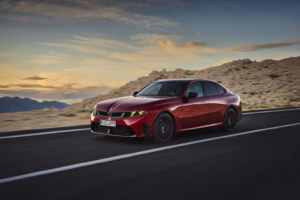
The facelifted G70 7 Series has also gained the 570-hp V8 M760 xDrive. Meanwhile, a combustion-powered G84 M3 is scheduled to arrive in 2028 alongside its electric counterpart.
Why BMW Could Continue Investing in Combustion Engines
Most of these vehicles would have remained on sale for much of their expected lifecycles even under the existing rules. The bigger question is how the proposed changes could affect BMW’s next generation of vehicles.
Without a firm 2035 cutoff, BMW would have a stronger incentive to fund another generation of its CLAR platform for Europe rather than abandon a platform and engines in which it has already invested.
That strategy does not mean BMW is falling behind in electric vehicles. The BMW Group delivered 110,257 fully electric cars in the third quarter, and battery-electric vehicles accounted for one in three BMW Group cars delivered in Europe.
The potential policy shift would instead give the automaker more room to develop combustion engines and electric vehicles in parallel, preserving options for its European lineup beyond 2035.
Porsche, Audi and Mercedes-Benz Are Also Rethinking EV Plans
BMW is not the only German automaker reconsidering how quickly it should move away from combustion engines. Its competitors are adjusting earlier commitments to electric-only lineups as they reassess their powertrain strategies.
Former Porsche CEO Oliver Blume acknowledged that making the Macan available exclusively as an electric vehicle was a mistake. Porsche now plans to introduce a combustion-powered compact SUV by 2028.
Audi has also softened its position on combustion engines. The company’s 2021 commitment to stop launching new combustion models in 2026 is no longer treated as a fixed target.
Mercedes-Benz has scaled back its ambition to go electric-only where possible by 2030. Instead, the company now expects electric vehicles to account for about half of its sales, while CEO Ola Källenius anticipates that combustion models will remain in the lineup well into the 2030s.
Why the Remaining 10% Could Still Limit Combustion Cars
Even if the EU adopts the proposed 90% emissions-reduction target, the remaining 10% would represent a fleet-wide allowance rather than unrestricted permission to sell combustion-engine vehicles.
Plug-in hybrids with long electric driving ranges are expected to account for much of that remaining allowance. BMW has already asked Berlin to prevent the rules used to assess plug-in hybrid vehicles from becoming stricter, making the issue relevant to its future product strategy.
Maintaining the CLAR and Neue Klasse platforms simultaneously also carries costs. BMW would need to support both architectures, an expense that rivals using a single platform would not face in the same way.
EU Approval Is Still Needed for the 2035 Changes
The Franco-German proposal has not become law. Other EU member states and the European Parliament must still approve the changes, and a final text is unlikely before early next year.
The proposal has also drawn criticism from environmental advocates. Anna Krajinska of Transport & Environment called the plan a “historic mistake.” The organization estimates that the proposal would reduce the share of electric vehicles in new-car sales in 2030 from 57% to 43%.
If the changes are approved, BMW could have more flexibility to keep combustion-powered models and plug-in hybrids in Europe beyond 2035. The likely long-term direction, however, remains an increasingly electric lineup, with CLAR-based combustion vehicles, plug-in hybrids and potentially some six-cylinder M models occupying a smaller role.
That would leave BMW with fewer opportunities for traditional combustion-engine cars than it had in the past, but more flexibility than the 2023 law originally allowed.