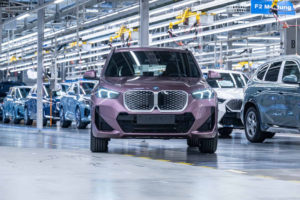
BMW’s Regensburg plant in Germany has produced nine million vehicles since opening its production line in 1986, capping its 40th anniversary with a record-breaking year and preparations for another. The facility, which builds the BMW X1 and X2, manufactured 356,901 vehicles in 2025 and has received around €400 million in investments for Neue Klasse production since 2023.
BMW marked the milestone with a ceremony on Monday attended by Bavarian Minister-President Markus Söder and Raymond Wittmann, the automaker’s board member responsible for production. Since the plant opened, BMW says it has invested more than €6 billion in Regensburg, which now ranks as the BMW Group’s highest-volume car plant in Europe.
Around 9,000 people work at the Regensburg plant and the company’s Wackersdorf site, located 50 kilometers (31 miles) to the north. According to plant management, the facility is preparing for another record year after its strong performance in 2025.
BMW Regensburg Produces a Car Every 57 Seconds
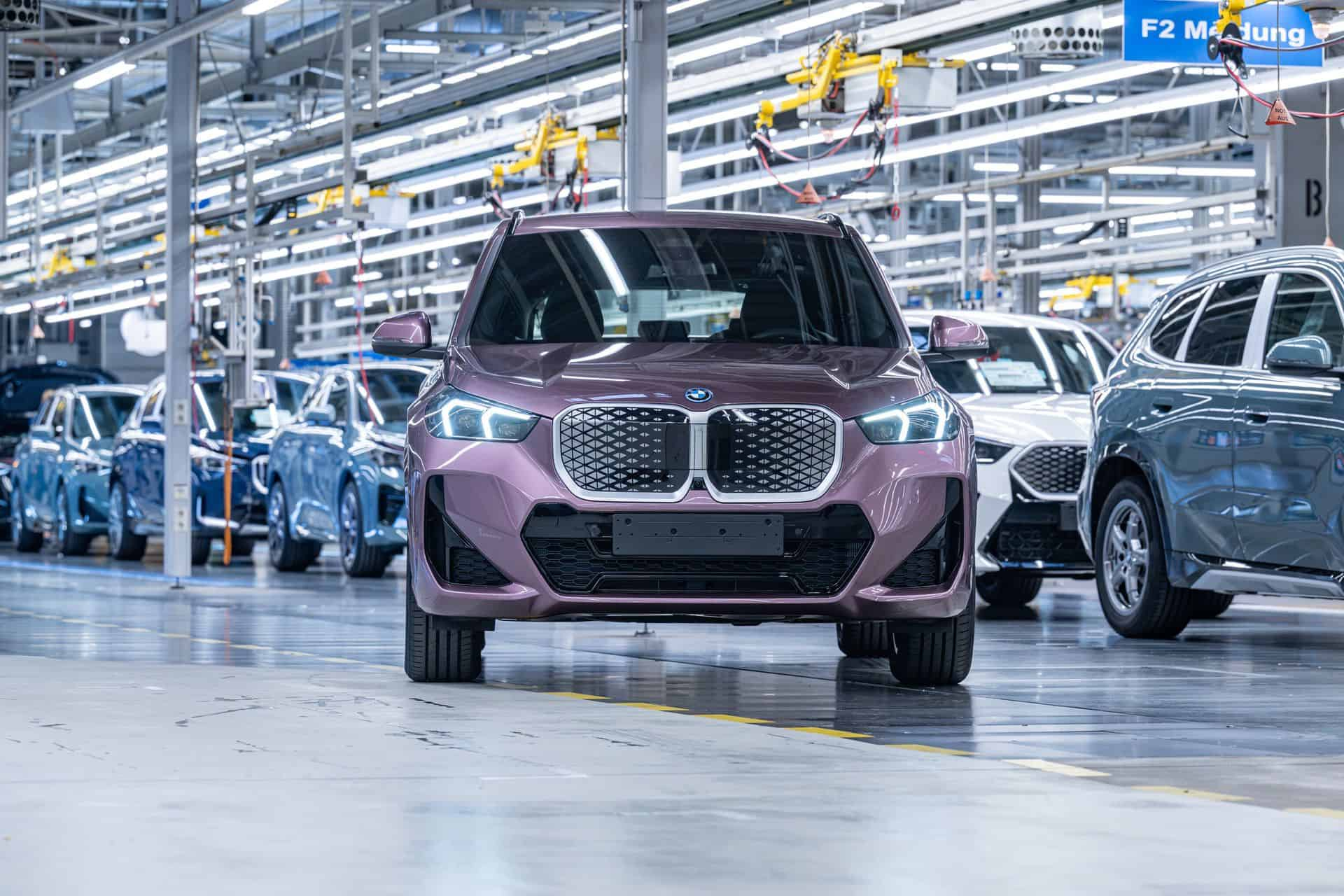
The Regensburg plant operates around the clock across three shifts, with a completed vehicle leaving final assembly every 57 seconds. That production pace translates to more than 1,400 cars per working day, all belonging to the BMW X1 and X2 lineups.
One of the plant’s defining features is its ability to build combustion-engine vehicles, plug-in hybrids and fully electric models on the same assembly line. The lineup includes the all-electric BMW iX1 and iX2, allowing the facility to manufacture different powertrain versions within a shared production system.
BMW says the plant has reduced its costs by more than a quarter since 2019, with software playing a significant role in its efficiency improvements. Artificial intelligence handles automated surface finishing in the paint shop and supports quality inspections during assembly.
A cloud-based traffic control system also coordinates parts deliveries. Since early 2025, newly completed vehicles have driven themselves from the end of the production line to the loading area without anyone behind the wheel.
From 400 Cars a Day to More Than 1,400
Construction of the Regensburg production halls began in 1984. The first BMW E30 3 Series rolled off the line in October 1986, with series production beginning a month later.
Under its original settlement agreement with the city, BMW committed to producing 400 vehicles per day and creating 3,500 jobs. The plant’s current daily output is three and a half times that original production target.
The nine-millionth vehicle left the production line in mid-September. The milestone car was a BMW iX1 finished in BMW Individual Velvet Orchid II Metallic and built to order for a customer in Sweden.
The milestone highlights the transformation of the plant’s output over four decades, from the rear-wheel-drive E30 3 Series to electric crossovers such as the iX1. The facility has evolved while maintaining its role as a major center of BMW vehicle production in Europe.
BMW Invests €400 Million in Neue Klasse Production
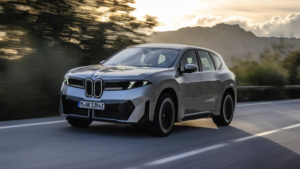
BMW has invested around €400 million in Regensburg since 2023 to prepare equipment and production structures for its Neue Klasse vehicles. According to the company’s announcement, production of Neue Klasse models at the plant is scheduled to begin in the second half of the decade.
BMW has not disclosed which model will be manufactured there. The investment nevertheless positions the facility to participate in the production of the automaker’s next generation of vehicles.
During the anniversary ceremony, Wittmann called for reliable and competitive conditions for manufacturing in Germany.
Söder addressed the broader debate over European automotive policy, describing what he called the real end of the European Union’s combustion-engine ban as “an important signal.” He also argued that the market needs both electric vehicles and high-tech combustion engines.
Regensburg Can Build Multiple Powertrains on One Line
The Regensburg plant’s existing production system allows BMW to manufacture combustion-engine vehicles, plug-in hybrids and fully electric models on the same assembly line. That flexibility enables the company to adjust its production mix as demand for different powertrains changes.
With the Neue Klasse investment underway and production scheduled to begin in the second half of the decade, Regensburg is preparing for BMW’s next generation of vehicles while continuing to build its current X1 and X2 models.
After producing nine million vehicles in 40 years and setting a new annual production record in 2025, the plant remains central to BMW’s European manufacturing operations as it prepares for its next phase.