Tesla’s next-generation Roadster promises airborne stunts, rocket thrusters and extreme performance, but BYD’s Yangwang U9 has already demonstrated technology that is being used in a production car. The comparison highlights a key difference between the two electric supercars: Tesla is promoting capabilities tied to a vehicle expected to enter production in 2028, while BYD has delivered at least one example of its high-performance U9 Xtreme.
Round 1: Tesla Roadster vs. Yangwang U9 Stunts
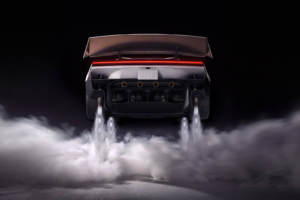
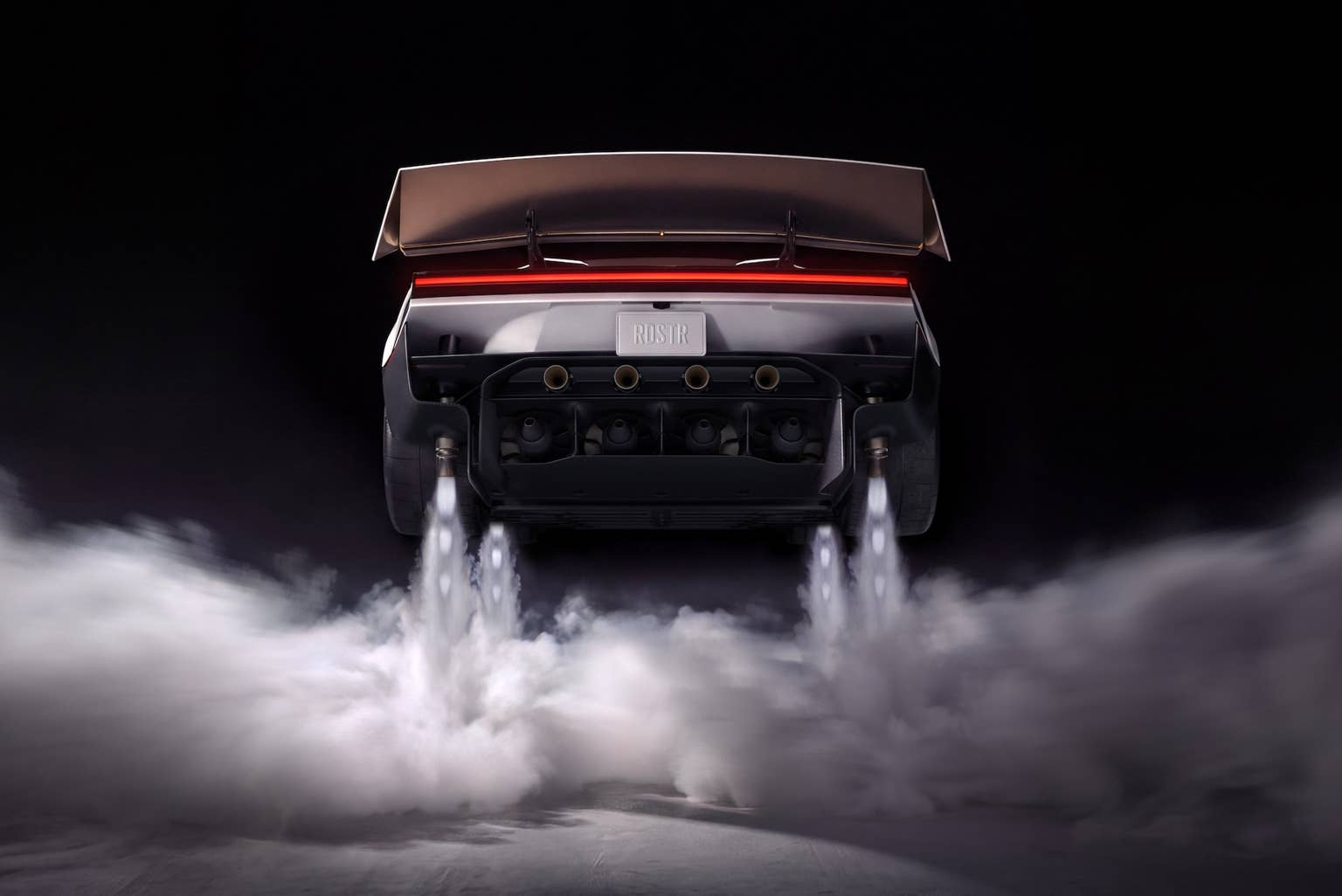
Tesla unveiled its next-generation Roadster on October 15, showcasing its so-called “air ready” Rocket trim. The single-seat configuration features cold-gas thrusters positioned around the car, along with a fan-based downforce system. Tesla says the version is available by invitation only and is not approved for public roads.
The demonstration featured a ramp jump and a kickflip. However, the maneuvers appeared to involve short jumps and brief periods of hovering rather than sustained flight. Reports also claimed that no one was inside the car during the demonstration.
The spectacle raises questions about the practical benefits of the technology. Lifting a car off the ground reduces the load on its tires, offering no obvious advantage for conventional driving performance. In that sense, the Roadster’s airborne demonstration can reasonably be viewed as a showpiece rather than a proven performance feature.
BYD’s Yangwang U9 takes a more modest approach. Its DiSus-X hydraulic suspension can rapidly raise all four corners of the vehicle, lifting it an inch or two off the ground. The system can also allow the car to travel briefly on three wheels following a tire blowout.
The suspension hop has little obvious practical value on its own, but it demonstrates a capability built into the vehicle’s existing suspension technology. Both manufacturers have showcased unusual stunts, making this round a draw.
Round 2: The Technology Behind the Stunts
Tesla’s proposed Roadster combines a fan-based downforce system with thrusters designed to deliver additional force. The fan draws air from beneath the car, while Tesla claims the vehicle can achieve more than 2 g of cornering force and generate more than 80 kilonewtons from its thrusters.
Those figures point to ambitious engineering goals, but the technology remains unproven in a verifiable production vehicle. The potential performance benefits of the fan system have yet to be established through demonstrated road use.
The Yangwang U9, by contrast, uses an electro-hydraulic fully active body control system. Its components include dual-valve hydraulic dampers, electric motor pumps and cameras and LiDAR for scanning the road ahead.
The system supports road scanning, variable ride height and self-leveling. These capabilities serve purposes beyond lifting the vehicle off the ground, including improving ride quality. The jump is therefore a secondary effect of technology designed to manage the car’s body and suspension.
Tesla’s thrusters remain the more unusual feature, but their usefulness outside demonstrations is unclear. BYD’s approach builds its headline-grabbing capability around a suspension system with additional functions.
Round 3: Which Electric Supercar Has Proven Itself?
The clearest difference between the two vehicles is the evidence that they exist as deliverable products. BYD sold a Yangwang U9 Xtreme for $2.76 million at the Beijing Auto Show this year, with at least one unit handed over at the event.
Production of the U9 Xtreme is limited to 30 cars. The model is reported to produce more than 3,000 horsepower and has recorded a 6:59.157 lap at the Nürburgring. A Yangwang U9 Track Edition also reached 294 mph at a German proving ground in 2025.
Tesla’s next-generation Roadster has a longer path to proving its capabilities. The Thrust trim is listed at $245,000, while Tesla has not announced a price for the Rocket version. Production is scheduled to begin in 2028, roughly eight years after the original target.
The Roadster’s stated range goals have also changed. Earlier targets called for 600 miles, while reports now cite a range of “over 300” miles. Tesla has also attributed a delay to an earlier demonstration to weather conditions.
The standard thruster-free Performance trim requires a $5,000 deposit, followed by another $45,000 within 10 days. How those payments relate to the vehicle’s final price remains unclear.
As of now, the Roadster’s performance claims have not been verified through road demonstrations. Tesla has yet to establish that the vehicle can deliver its promised capabilities in a production-ready form.
Winner: BYD Yangwang U9
The Yangwang U9 takes the win because its headline-grabbing suspension trick is built on technology that exists, functions and has already been sold in a vehicle. Tesla’s Roadster offers a more dramatic vision, but its thrusters and airborne demonstrations remain tied to a model whose production is not expected to begin until 2028.
That does not mean Tesla’s technology will fail to deliver. Its fan-based downforce system could prove effective, while BYD’s performance claims are also largely self-reported. However, the available evidence favors the Yangwang because it has reached customers, while the Roadster’s capabilities remain unverified on the road.
The next milestones for Tesla include a verified 0-to-60 mph run, a timeline for the Performance trim and a clear explanation of how a thruster-equipped vehicle could meet certification requirements. Until the company provides that evidence, the Roadster remains a promise rather than a proven production car.
What Industry Rivals Say About Tesla’s Roadster
The Roadster’s demonstration has also drawn attention from Chinese electric vehicle executives. According to a report from Global Times, NIO’s Li Bin said, “We definitely don’t have this,” while XPENG’s He Xiaopeng emphasized that certification would take years.
The contrast remains straightforward: Tesla has presented an ambitious electric supercar concept built around rocket-assisted stunts, while BYD has demonstrated a vehicle whose unusual capabilities are rooted in an existing suspension system and a car that has already been delivered.