Choosing a name for a new vehicle is far more complicated than coming up with a catchy word. Ford’s car-naming process involves dozens of decision-makers, legal reviews and consumer testing, with hundreds of potential names sometimes considered before a final choice is approved.
Scott Hauman, Ford’s global head of nomenclature, oversees a department responsible for naming more than 100 vehicles and features annually. The process requires automakers to balance brand identity, legal restrictions and consumer appeal before introducing a new name to the market.
Ford’s Car-Naming Process Involves Dozens of Approvals
The approval process can require sign-offs from as many as 40 people. Names also undergo rigorous testing with thousands of consumers before they are made public.
Teams can generate hundreds of possibilities for a single trim level, presenting their preferred choices to corporate executives. Even after extensive internal work, a proposed name can be rejected at any stage.
Legal reviews are a major obstacle. Trademark disputes and translation issues can force naming teams to abandon an option that otherwise appears ready for approval.
Why Ford Reconsidered the Mustang Dark Horse Name
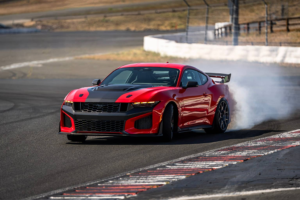
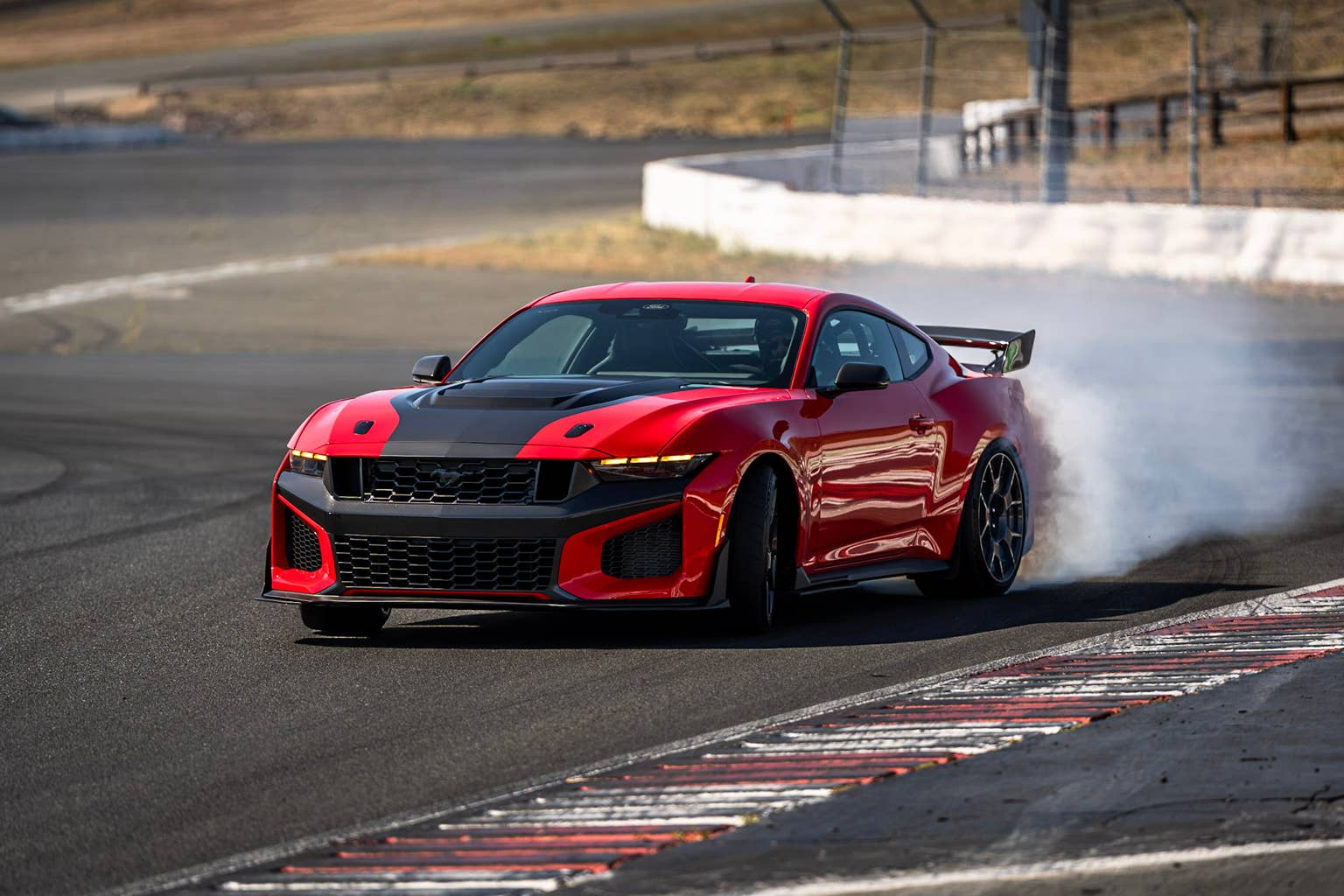
One recent example involved a proposed name for a Mustang variant. Ford nearly used “Mustang Dark Horse Boss” before deciding that the wording did not work and choosing “Dark Horse SC” instead.
The example highlights how a name can change late in the process. Naming teams must keep alternative options ready because a single objection from executives or the legal department can send the project back to the drawing board.
That uncertainty can make naming special editions particularly challenging. Hauman acknowledges that repeated rejections can be frustrating, but finding a name that resonates with buyers makes the process worthwhile.
Why Luxury Automakers Use Letters and Numbers
The challenges of choosing descriptive names help explain the appeal of alphanumeric naming systems used by luxury brands such as BMW and Mercedes.
Rather than relying on distinctive words for every model, these automakers use their brand identity and letter-and-number combinations to establish a recognizable hierarchy across their lineups.
Those codes can communicate a vehicle’s position within a brand’s range without requiring an elaborate name. The strategy, however, depends on customers understanding what the designations represent.
Infiniti’s Naming Structure Highlights the Risks
Alphanumeric naming is not without drawbacks. Infiniti executives have acknowledged that the brand’s current naming structure confuses buyers and hurts brand recognition.
The challenge for automakers is finding the right balance between memorable names and a consistent system that customers can understand. Whether a vehicle carries an aggressive name or an alphanumeric designation, its badge is effective only when buyers recognize what it represents.
For Ford and other automakers, naming a vehicle remains a detailed process shaped by consumer testing, executive approval, legal requirements and the need to create a name that connects with customers.