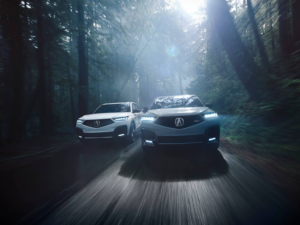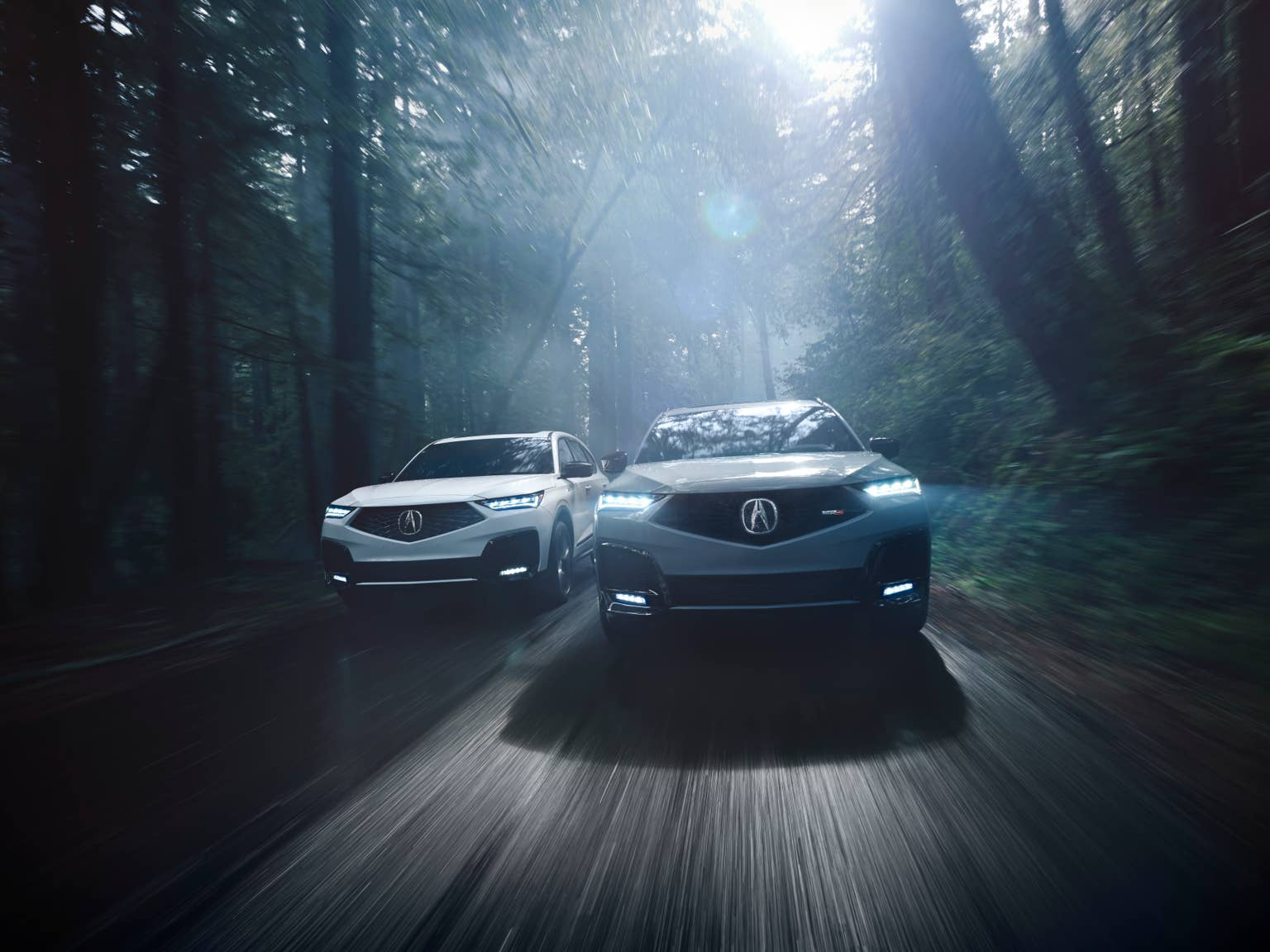
Acura is targeting 200,000 annual U.S. sales by 2030 as the Japanese luxury automaker prepares to expand its lineup with new models, updated vehicles and a stronger focus on hybrid and gasoline powertrains. The plan comes after the brand sold 133,433 vehicles in the United States in 2025, trailing other major luxury automakers.
Acura’s U.S. sales peaked at 209,610 vehicles in 2005, driven partly by sedans such as the TL and TSX. To regain its former market presence, the automaker plans to expand its lineup from four nameplates to six, including a new three-row flagship and an adventure-focused crossover based on the Honda Passport.
Acura Plans a New Three-Row Luxury Flagship
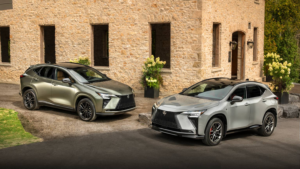
One of the upcoming vehicles, internally known as the XL, is expected to offer seating for eight passengers and compete with the Lexus TX. The model could also fill a gap above the MDX, giving buyers seeking additional space another option within Acura’s lineup.
Production of the XL could begin in the third quarter of 2029. The new flagship is part of Acura’s broader effort to expand its offerings and attract more customers as it pursues its 2030 sales target.
Honda Passport-Based Crossover Could Target Lexus GX
Acura is also developing an adventure-focused crossover based on the Honda Passport. Rather than simply rebadging the existing Honda, the new model could feature distinctive exterior bodywork, an upright front end and rugged tires.
The strategy reflects the popularity of off-road-oriented vehicles within Honda’s lineup. The Passport TrailSport accounted for around 80% of Passport sales in 2025, indicating strong interest in the rugged version.
The Acura crossover would also give the luxury brand a potential competitor to the Lexus GX. However, the vehicles would differ in their underlying construction: the Honda Passport uses a unibody platform, while the Lexus GX features body-on-frame architecture.
Next-Generation RDX and MDX Are Also Planned
Acura’s product plans extend beyond the two new models. The automaker is preparing next-generation versions of the RDX and MDX, alongside special editions of the Integra Type S, ADX and MDX.
The company is also adjusting its powertrain strategy, placing greater emphasis on hybrid and gasoline vehicles rather than relying heavily on electric vehicles. Acura has already discontinued the ZDX, its first electric vehicle, after just one model year.
Cadillac and Audi Face Their Own Market Challenges
Cadillac has moved away from its previous plan to become all-electric by 2030. The American luxury brand has confirmed that the CT5 will return for another generation with a combustion engine, while continuing to sell electric vehicles such as the Optiq and Lyriq.
Audi, meanwhile, faces a more challenging U.S. market, particularly because of tariffs. The German automaker does not currently manufacture cars in the United States but has been exploring domestic production options with its parent company, Volkswagen Group.
Acura’s 2030 Sales Goal Faces Strong Competition
Acura sold 133,433 vehicles in the United States in 2025, compared with Cadillac’s 173,515 and Audi’s 164,942. Reaching 200,000 annual sales would bring Acura close to its 2005 peak of 209,610 vehicles.
Acura’s plan centers on expanding its lineup with new and updated models while shifting toward hybrid and gasoline powertrains. BMW, Lexus and Mercedes-Benz are also expected to remain comfortably ahead of Acura’s 200,000-unit annual sales target if their U.S. sales remain at least stable.