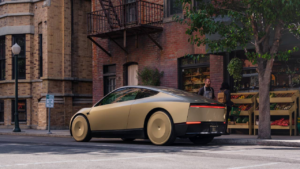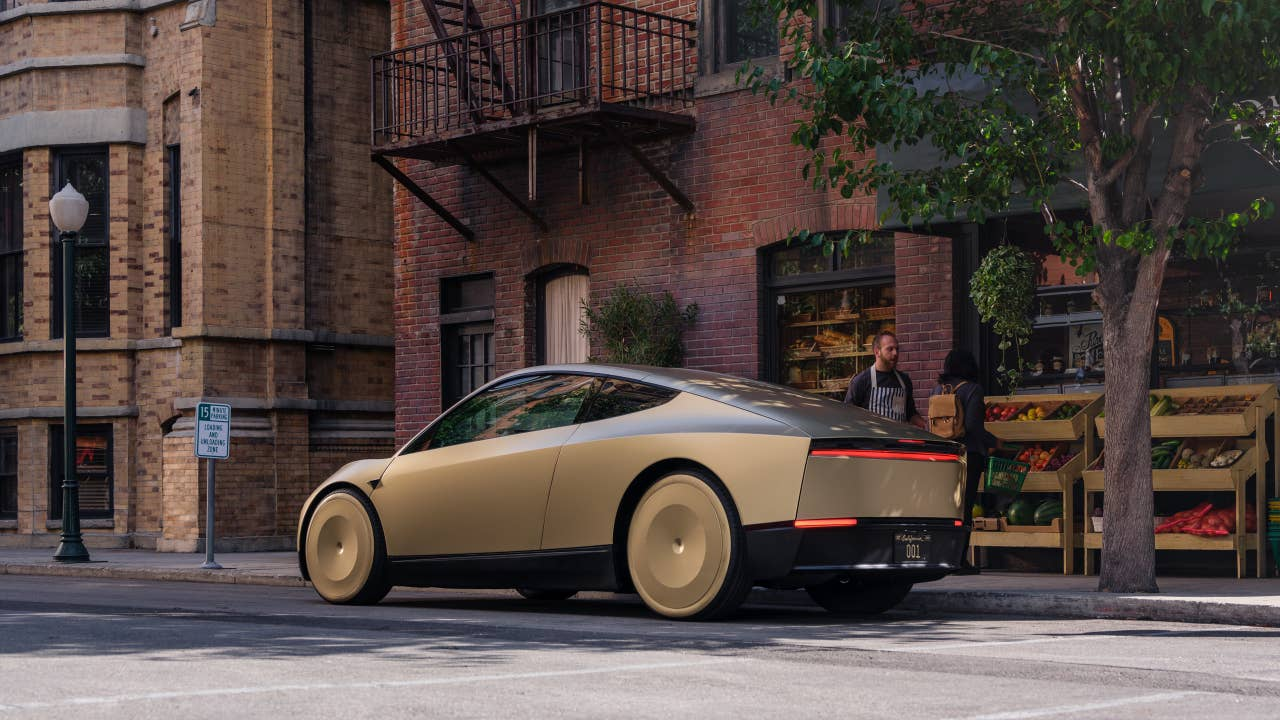
Tesla is aiming to deliver its Cybercab autonomous electric vehicle to customers later in 2026, potentially meeting the timeline announced when the two-seater debuted in 2024. However, regulatory approval remains a major hurdle for the steering-wheel-free vehicle, leaving questions about whether Tesla can begin customer deliveries as planned.
Lars Moravy, Tesla’s vice president of vehicle engineering, discussed the company’s timeline during its third-quarter 2026 earnings call, saying Tesla is trying to deliver the Cybercab later this year. The wording stops short of a firm commitment, although production is already underway at Gigafactory Texas.
The Cybercab is part of Tesla’s broader shift toward autonomous ride-hailing and AI-driven products. The company has faced delays with ambitious vehicle timelines before, including the next-generation Roadster, whose original concept debuted in 2017 but whose redesigned version was unveiled this month. Tesla also ended production of the Model S and Model X earlier this year.
Tesla Cybercab Faces Regulatory Approval Challenges
One of the biggest obstacles to the Cybercab’s planned launch is regulatory compliance. The vehicle is designed without a steering wheel, pedals or side mirrors because it is primarily intended for robotaxi operations.
Removing these conventional components could help Tesla reduce production costs and simplify manufacturing. However, the design also raises regulatory questions that must be addressed before the vehicle can be deployed as planned.
Federal safety officials are investigating Tesla’s certification of the Cybercab’s compliance with federal motor vehicle safety standards. An unfavorable regulatory outcome could threaten the company’s expansion plans and complicate customer deliveries.
Another autonomous vehicle company has demonstrated that a regulatory pathway for unconventional robotaxis is possible. The company received an exemption allowing it to commercially deploy up to 2,500 carriage-style robotaxis annually over the next two years.
Questions Remain About Privately Owned Cybercabs
Tesla’s plans to deliver Cybercabs to individual customers also raise questions about where privately owned vehicles could operate if deliveries begin before the end of 2026.
Tesla has said unsupervised Full Self-Driving is not expected to become available on some existing customer-owned vehicles until the second quarter of 2027. That timeline creates uncertainty about the capabilities available to owners if the Cybercab reaches customers before then.
The vehicle’s regulatory status and customer-use arrangements remain important factors in Tesla’s launch plans.
Tesla Cybercab Price Target Remains Below $30,000
Pricing is another key detail Tesla has yet to confirm. During the Cybercab’s unveiling in 2024, the company said the vehicle would cost less than $30,000.
Achieving that price target would be significant following scrutiny of Tesla’s earlier pricing commitments for the Cybertruck. The electric pickup was advertised at less than $40,000 in 2019 but launched in 2023 with a starting price of around $61,000.
Tesla has not confirmed the Cybercab’s final price, leaving its original target as an important part of the vehicle’s announced plans.
Tesla Plans a Robotaxi Fleet to Compete With Waymo
Tesla is preparing to expand its autonomous transportation business as it faces established competitors in the robotaxi market. One competitor primarily uses Jaguar I-Pace electric vehicles equipped with Level 4 autonomous driving technology.
Tesla plans to retain ownership of most Cybercabs and operate them as a transportation service, while selling a smaller number directly to customers.
With production already underway at Gigafactory Texas, Tesla is working toward its goal of delivering the Cybercab later in 2026. Regulatory approval, autonomous driving availability and final pricing remain unresolved as the company prepares for the next stage of its robotaxi plans.