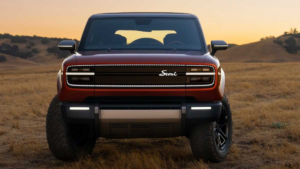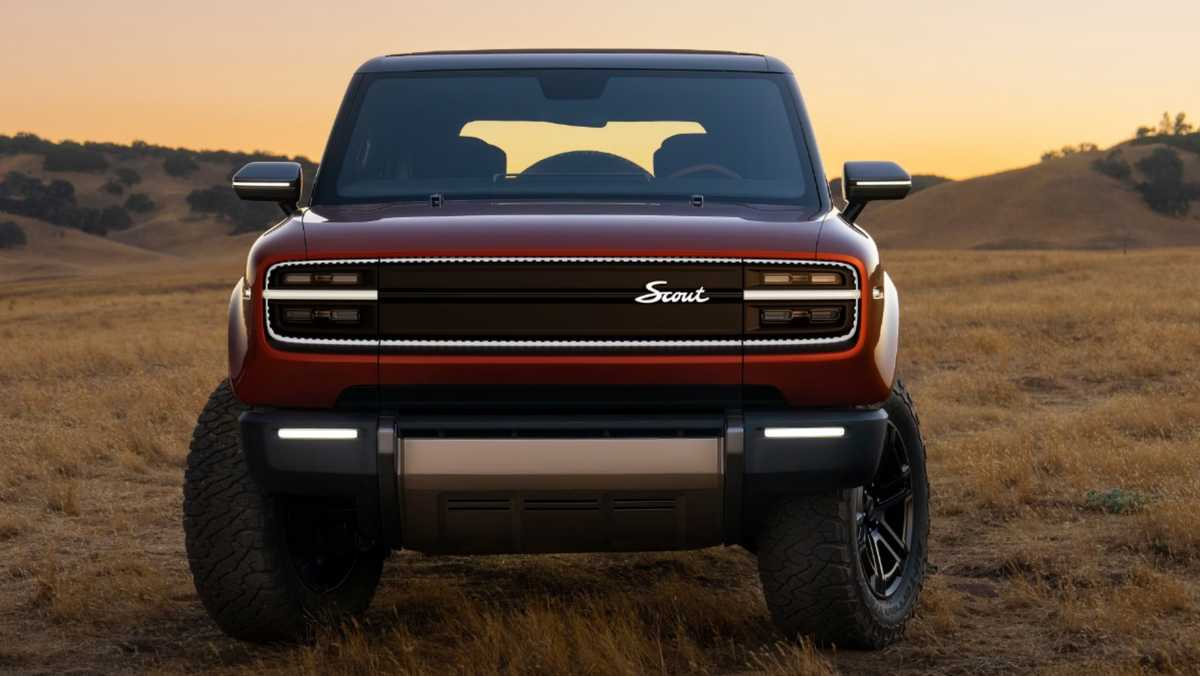
Scout Motors is facing another legal challenge to its plan to sell vehicles directly to consumers as it prepares to launch the all-electric Traveler SUV and Terra pickup truck, potentially beginning in 2028. A federal judge in California has rejected efforts by Scout and Volkswagen Group to dismiss a lawsuit brought by automotive dealers, raising new questions about how the company will sell its vehicles to customers.
The dispute comes as Scout continues building its $2 billion assembly plant in Blythewood, South Carolina, and prepares for production. The company must also determine how to complete sales transactions for customers, including approximately 200,000 people who have placed $100 deposits on a Terra or Traveler.
California Dealers Challenge Scout Motors’ Direct Sales Plan
Scout Motors has faced opposition from franchised dealers over its plan to bypass traditional dealerships and sell vehicles directly to consumers. Electric vehicle startups such as Tesla, Rivian and Lucid have adopted direct-sales models, but Scout faces a different situation because it is wholly owned by Volkswagen Group, which has about a thousand franchised dealers in the United States.
Automotive dealers in California have sued to prevent Scout from selling directly to customers. Late last week, a federal judge upheld the lawsuit filed by the California New Car Dealers Association and denied motions by Scout and Volkswagen Group to dismiss the case.
The court’s decision marks another legal setback for Scout’s proposed sales strategy. It also leaves open the possibility that the company could face restrictions on its ability to sell vehicles without using Volkswagen’s established dealer network.
Scout Motors Says It Will Maintain Its Direct-to-Consumer Strategy
Despite the legal challenges, Scout has reiterated its commitment to direct sales. A company spokesperson said the automaker would not abandon the strategy and pointed to its commitments to revive American manufacturing and hire 4,000 workers.
The spokesperson also said Scout already has the state dealer licenses and regulatory alignment needed to carry out its plan, adding that public reaction to the company’s mission across America has been overwhelmingly positive.
This is the second time this year that U.S. District Chief Judge Cynthia Bashant has ruled in favor of California car dealers while denying similar motions from Volkswagen Group and Scout Motors.
The court is upholding a state law that prohibits vehicle manufacturers from competing with their own franchised dealers, including indirectly through an affiliate.
Scout Motors Begins Producing Initial Validation Vehicles
While the legal dispute continues, construction and equipment installation are progressing at Scout’s Blythewood facility. The company says the plant’s roof is complete, covering all 5 million square feet of production space and the on-site supplier park. Equipment is being installed and commissioned.
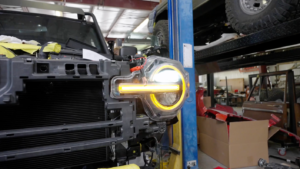
Scout has also begun producing initial validation vehicles, an effort the company says will continue and develop through 2027.
When the facility reaches full capacity, it is expected to produce up to 200,000 body-on-frame vehicles. Scout continues to target 2028 for the first customer deliveries of its new vehicles.
The company also plans to prioritize the Traveler extended-range electric vehicle because it accounts for the highest number of reservations.
Washington Dealers Have Also Sued Scout Motors
California is not the only state where automotive dealers are challenging Scout’s direct-sales strategy. Earlier this year, the Washington State Auto Dealers Association filed a lawsuit based on similar arguments.
Dealers in Washington argue that Volkswagen is violating the law by competing with businesses that already hold contracts to sell Volkswagen brands through their dealerships.
They also contend that Scout Motors’ advertising, marketing and acceptance of vehicle deposits directly compete with Volkswagen’s existing dealer network.
Legal Disputes Could Complicate Scout’s Sales Plans
The lawsuits center on whether Scout Motors can sell vehicles directly to consumers while operating under Volkswagen Group’s ownership and alongside its existing franchised dealer network.
Dealers are seeking to protect their position under state laws governing competition between manufacturers and franchised dealerships. Scout, meanwhile, maintains that it has the licenses and regulatory alignment required to proceed with its direct-sales approach.
With the first customer deliveries still targeted for 2028, Scout must continue preparing its vehicles and manufacturing facility while defending its proposed sales model against legal challenges in California and Washington.