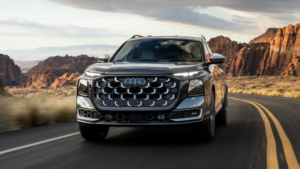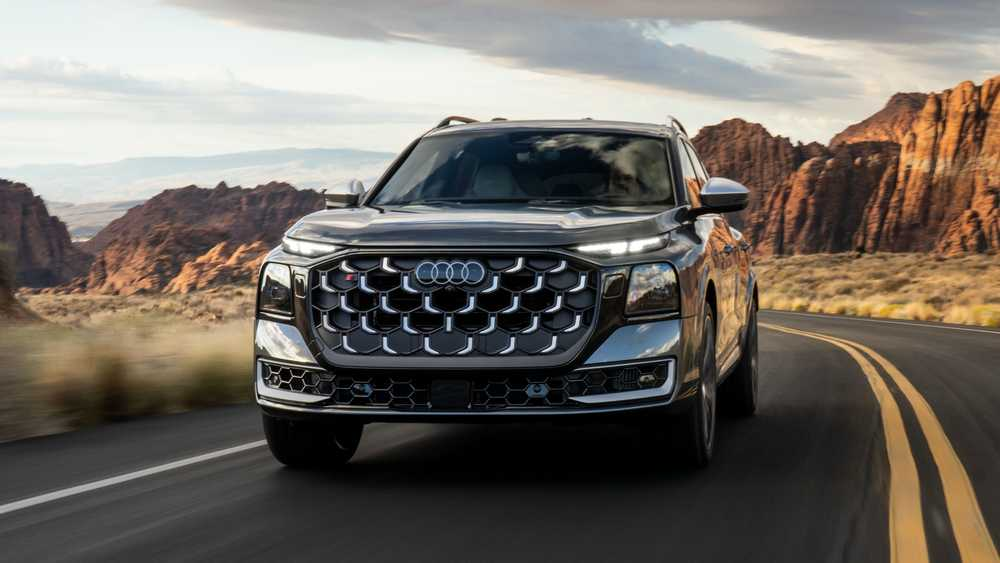
Audi’s planned $4 billion manufacturing facility in Georgia could offer the German automaker more than a new production base, with potential tariff reductions reportedly under discussion to ease the cost of importing vehicles while the plant is being built.
The factory is expected to create around 4,500 jobs and eventually produce 200,000 SUVs annually. Production is projected to begin in the early 2030s, but a possible tariff agreement could provide financial relief before the facility opens.
Potential U.S. Tariff Reduction
Negotiations are reportedly underway to reduce the tariff burden on Audi imports during the construction period. The proposed arrangement would lower import tariffs to 10%, compared with the 15% rate currently applied to EU imports.
Audi had reportedly sought a 7.5% rate. Although the proposed 10% tariff would be higher than the company’s target, it would still represent a significant reduction.
Other automakers that bring manufacturing operations to the United States could also receive similarly favorable terms. The details have not been officially confirmed by Audi or the U.S. Department of Commerce.
A broader tariff-relief framework could encourage additional companies to invest in U.S. manufacturing, potentially extending beyond the automotive industry.
How Tariff Relief Could Affect Audi
Audi reportedly lost about $1.4 billion to tariffs last year. A 10% rate could save the company hundreds of millions of dollars while it prepares to begin production in Georgia.
The potential savings could also support Audi’s plans to expand its presence in the U.S. market in the coming years.
Volkswagen Group Approval Still Pending
Audi’s $4 billion investment has not yet received approval from Volkswagen Group’s supervisory board. The potential tariff relief could play a significant role in the board’s decision.
All vehicles Audi sells to U.S. buyers currently come from Europe or Mexico, leaving the company exposed to import tariffs until its Georgia facility begins production.
The proposed plant and potential tariff reductions remain subject to official confirmation, while Audi’s investment still awaits Volkswagen Group approval.