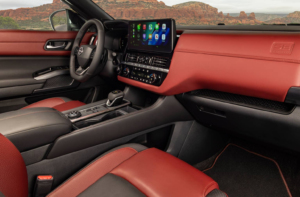

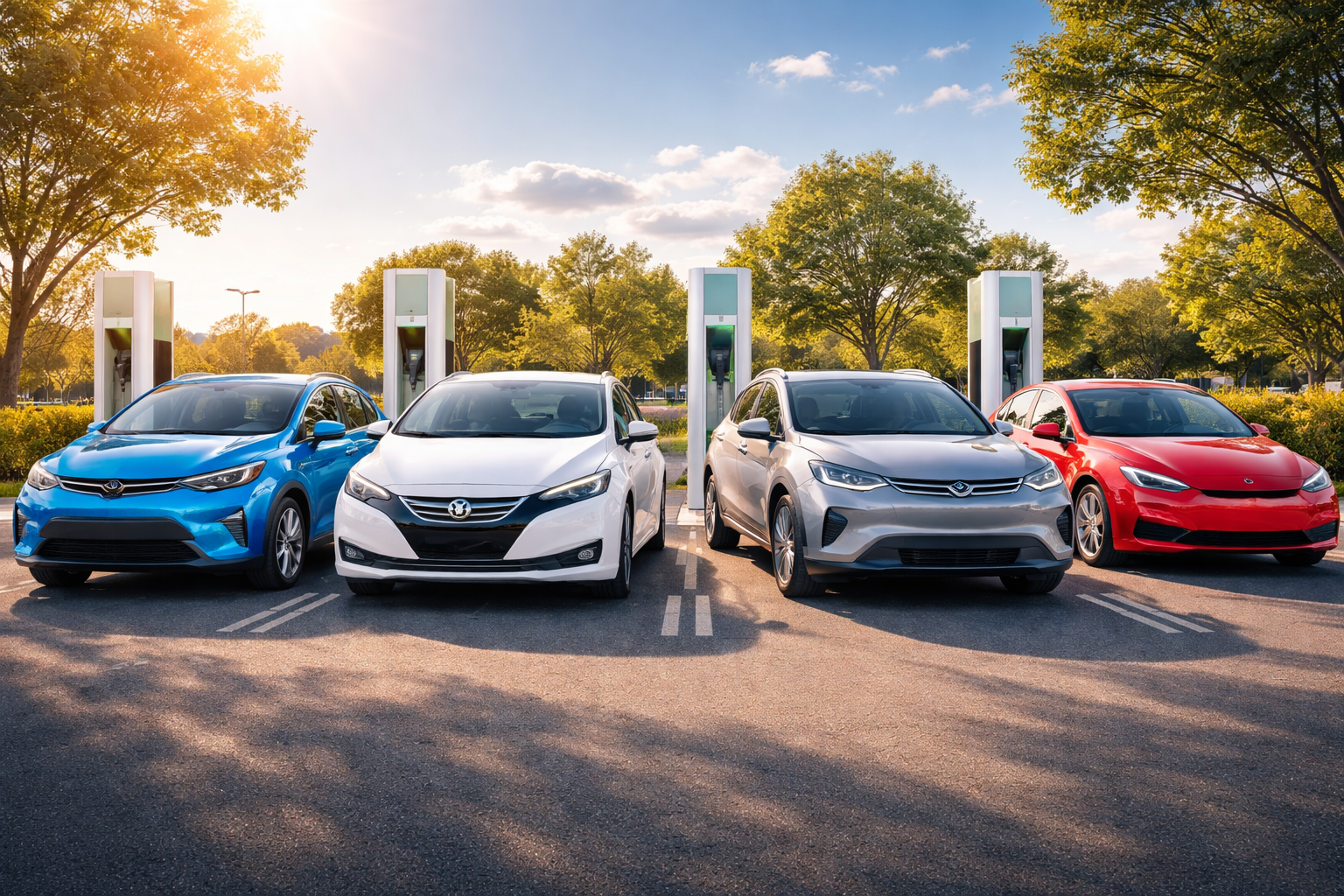
Electric vehicles are no longer just for luxury buyers. In 2026, the market is flooded with affordable options that deliver impressive range, advanced technology, and everyday practicality. Whether you’re a commuter seeking efficiency or a family looking for low-cost transportation, these best electric cars offer real value without breaking the bank.
Why Affordable EVs Matter in 2026
The shift toward electric mobility is accelerating in the U.S., with over 300,000 EVs sold in Q1 2025 alone. Incentives like federal tax credits up to $7,500 make entry-level EVs even more appealing, especially models under $40,000. Buyers now have choices that balance price, performance, and daily usability—making 2026 the year for accessible electrification.
Top 10 Affordable Electric Cars of 2026
1. Chevrolet Bolt EV
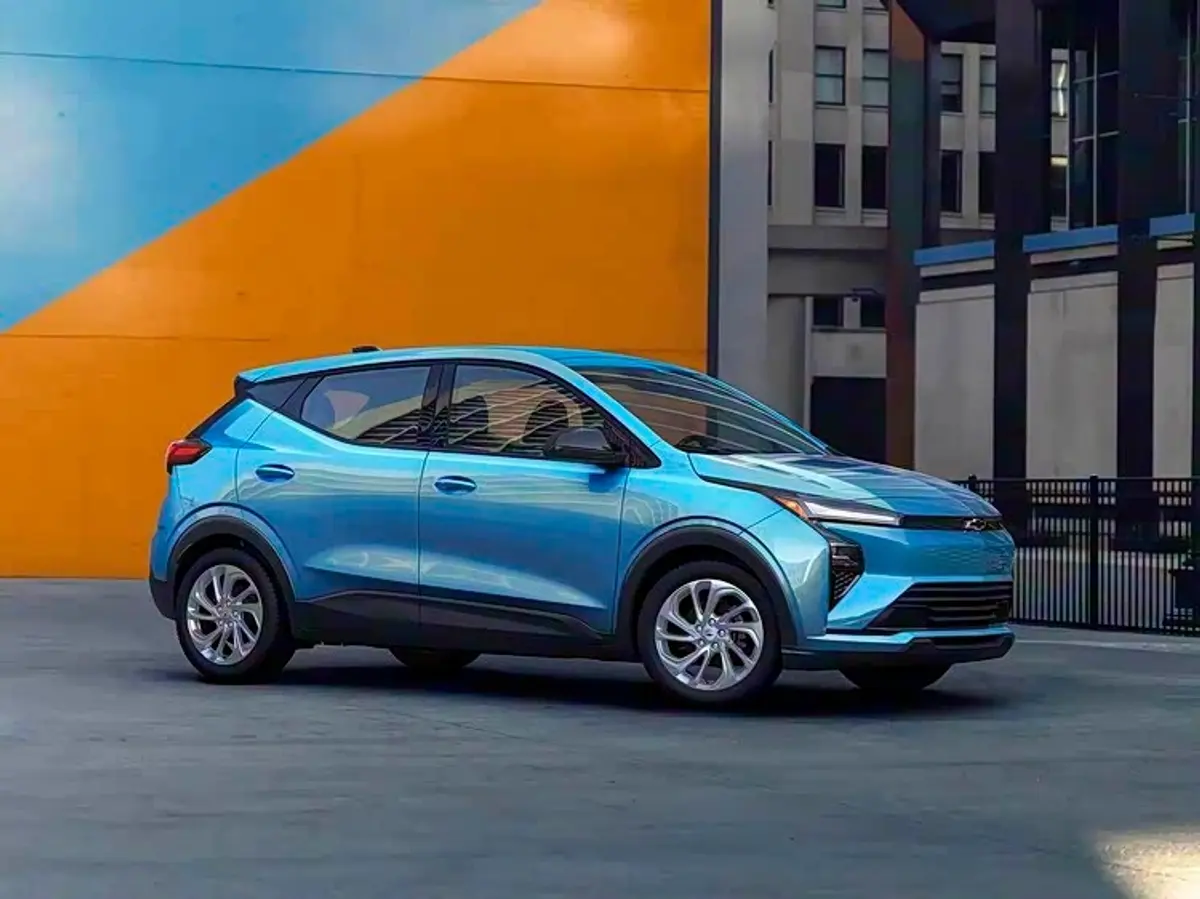
- Price: $28,995
- Range: 262 miles
- Pros: Lowest price, efficient, nimble city car
- Cons: Compact interior may feel tight for families
2. Nissan Leaf
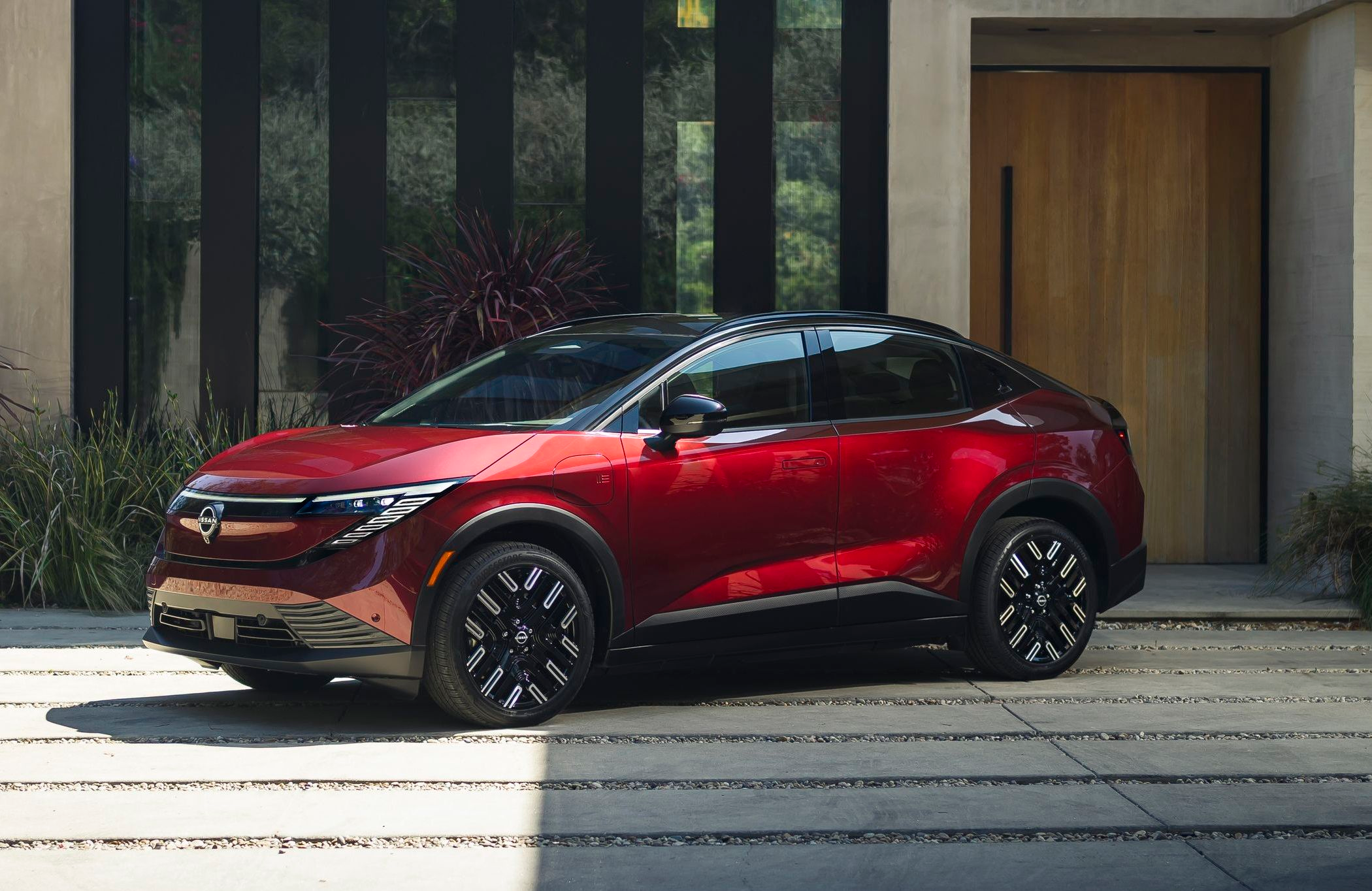
- Price: $29,990 – $31,535
- Range: 303 miles (S+ model)
- Pros: Long-range option, updated powertrain
- Cons: Older platform, less tech-savvy interior
3. Hyundai Kona Electric
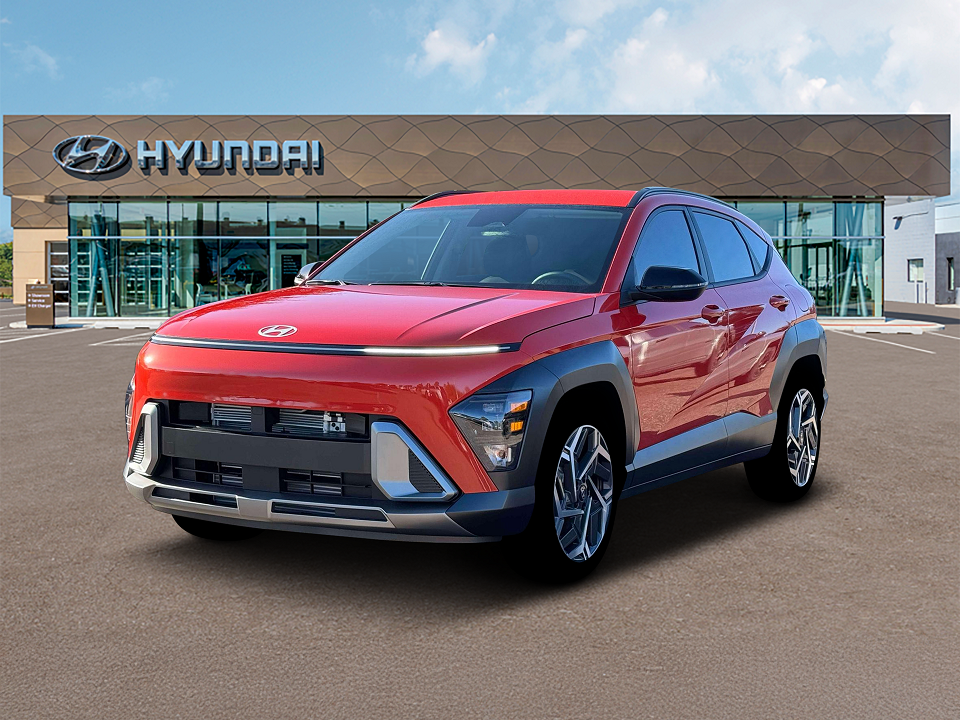
- Price: $32,975 – $34,470
- Range: 200 miles
- Pros: Stylish, feature-packed, versatile for city driving
- Cons: Limited range for longer trips
4. Chevrolet Equinox EV
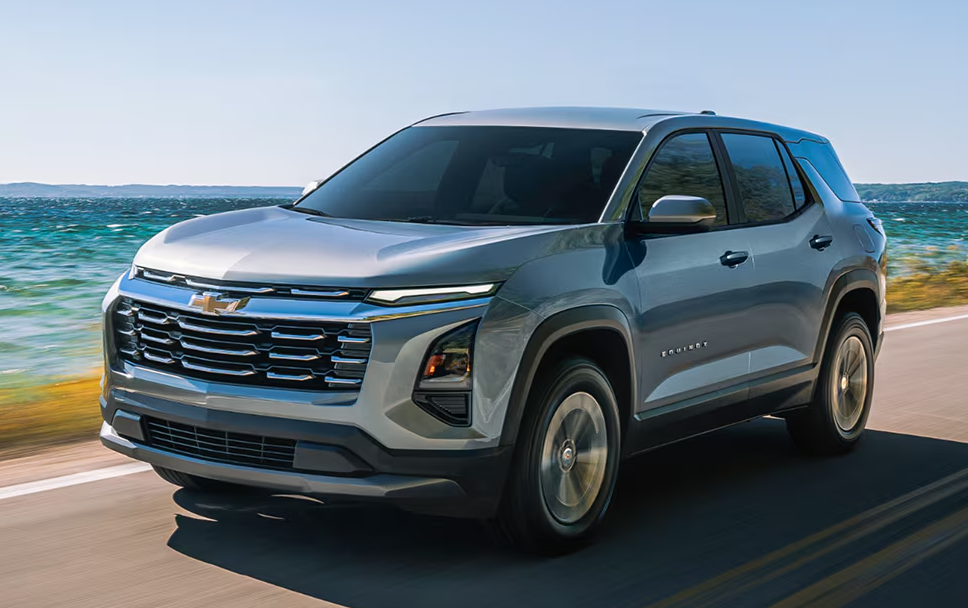
- Price: $34,995 – $36,795
- Range: 319 miles
- Pros: Spacious interior, solid efficiency, affordable for its size
- Cons: Basic features, no smartphone mirroring
5. Toyota bZ4X
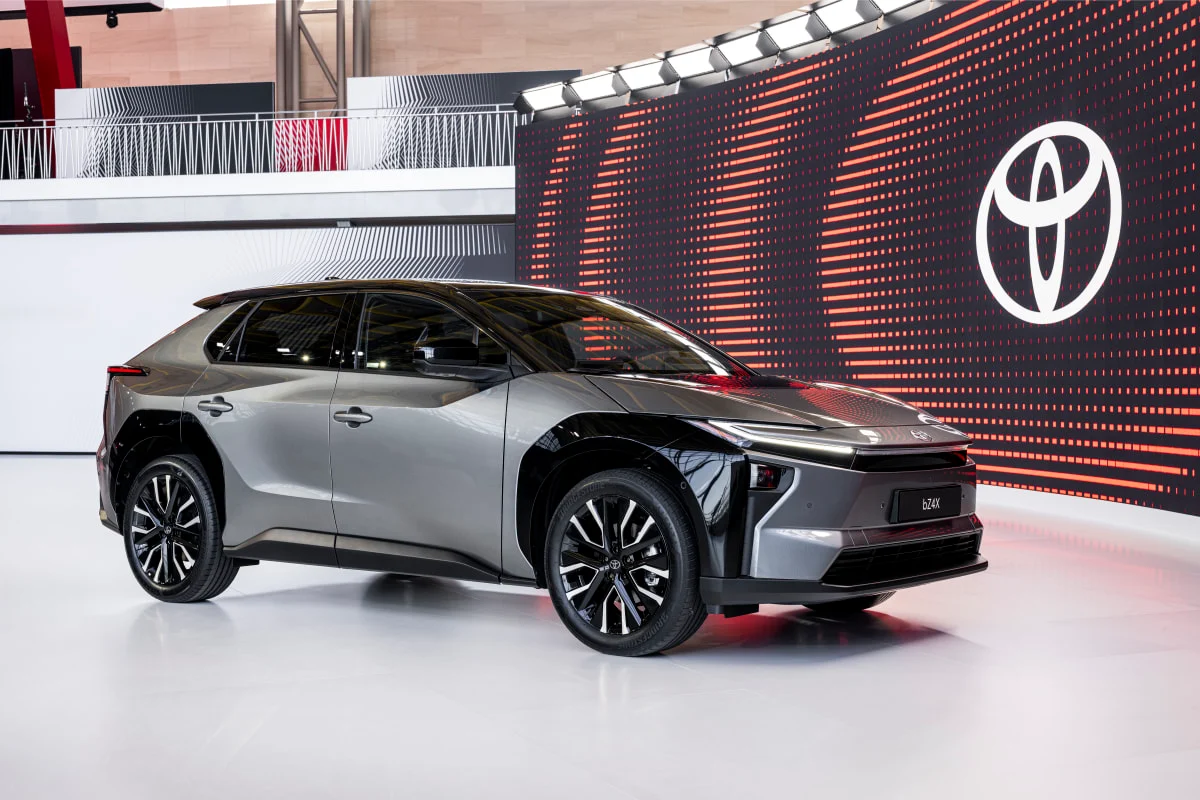
- Price: $36,350
- Range: 252 miles
- Pros: Reliable, smooth ride, Toyota warranty backing
- Cons: Higher starting price, limited fast-charging speed
6. Hyundai Ioniq 5 SE

- Price: $36,600
- Range: 245–318 miles
- Pros: Fast charging, versatile interior, futuristic design
- Cons: Slightly higher entry price
7. Fiat 500e

- Price: $37,695
- Range: 199 miles
- Pros: Compact urban EV, fun to drive
- Cons: Limited cargo space, shorter range
8. Tesla Model 3 Standard Range
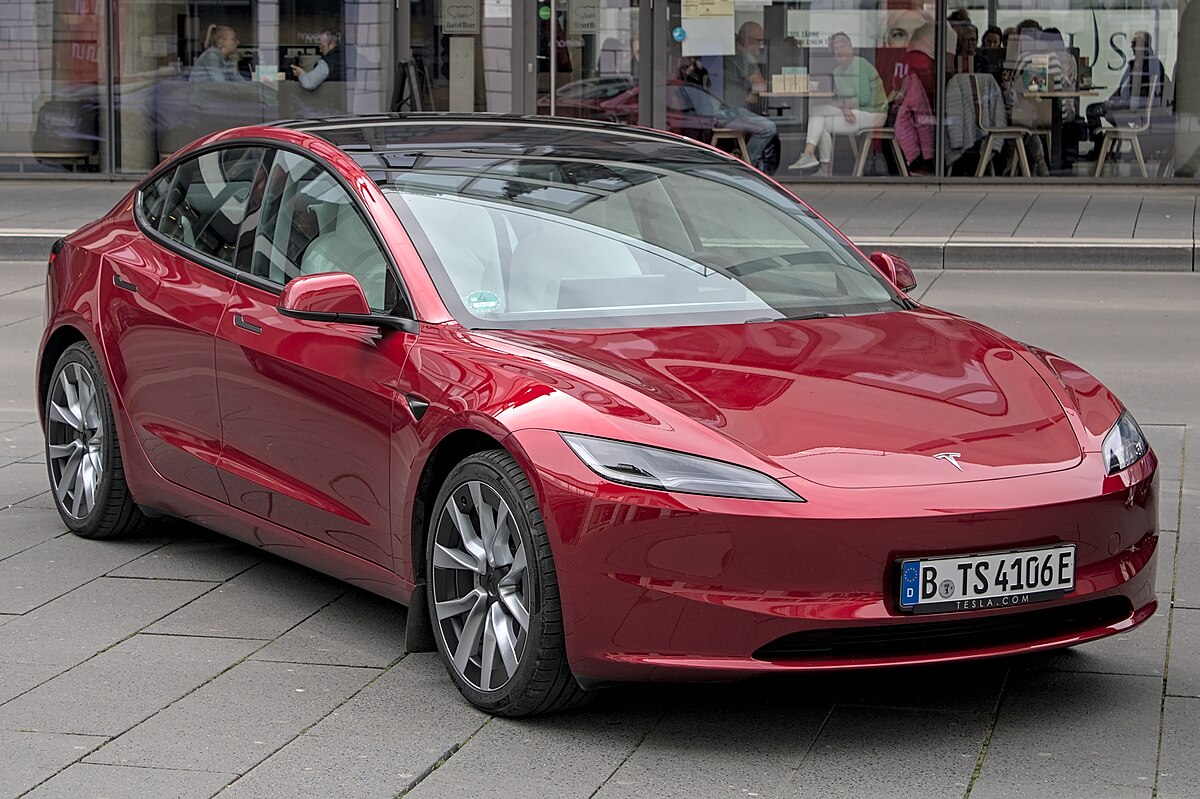
- Price: $38,630
- Range: 272 miles
- Pros: High-tech autopilot, strong resale value
- Cons: Build quality can vary, minimalist interior
9. Ford Mustang Mach-E Select
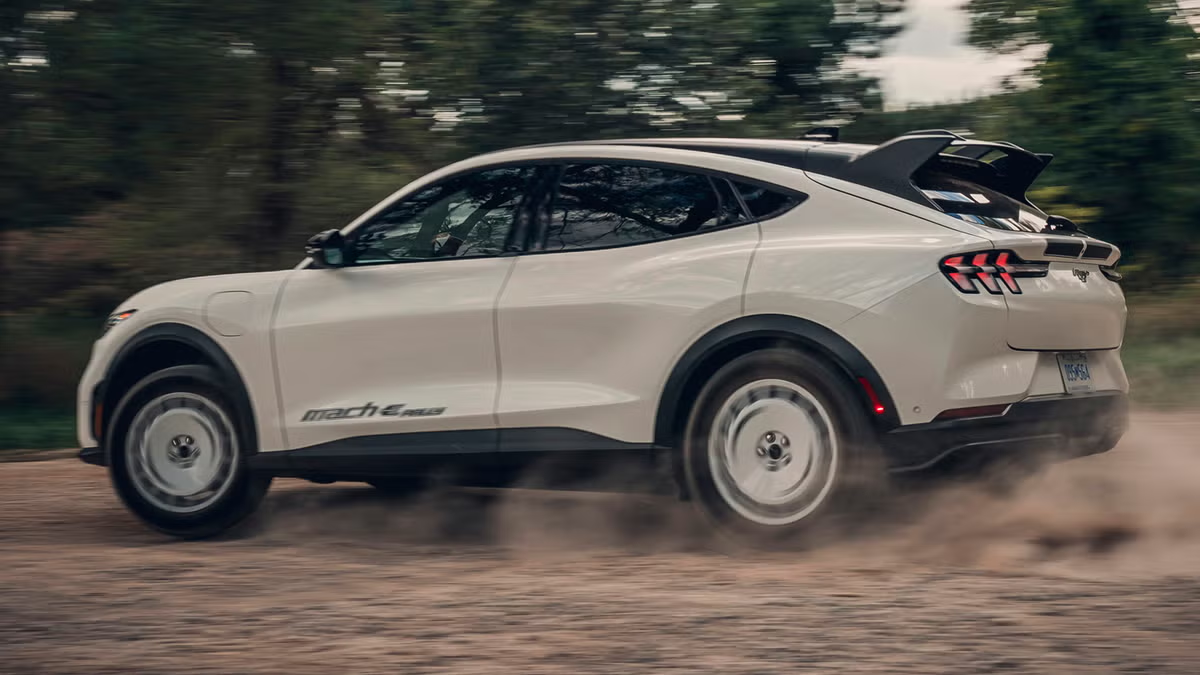
- Price: $39,840
- Range: 247 miles
- Pros: Sporty performance, spacious cabin
- Cons: Higher price among affordable EVs, firm ride
10. Subaru Solterra
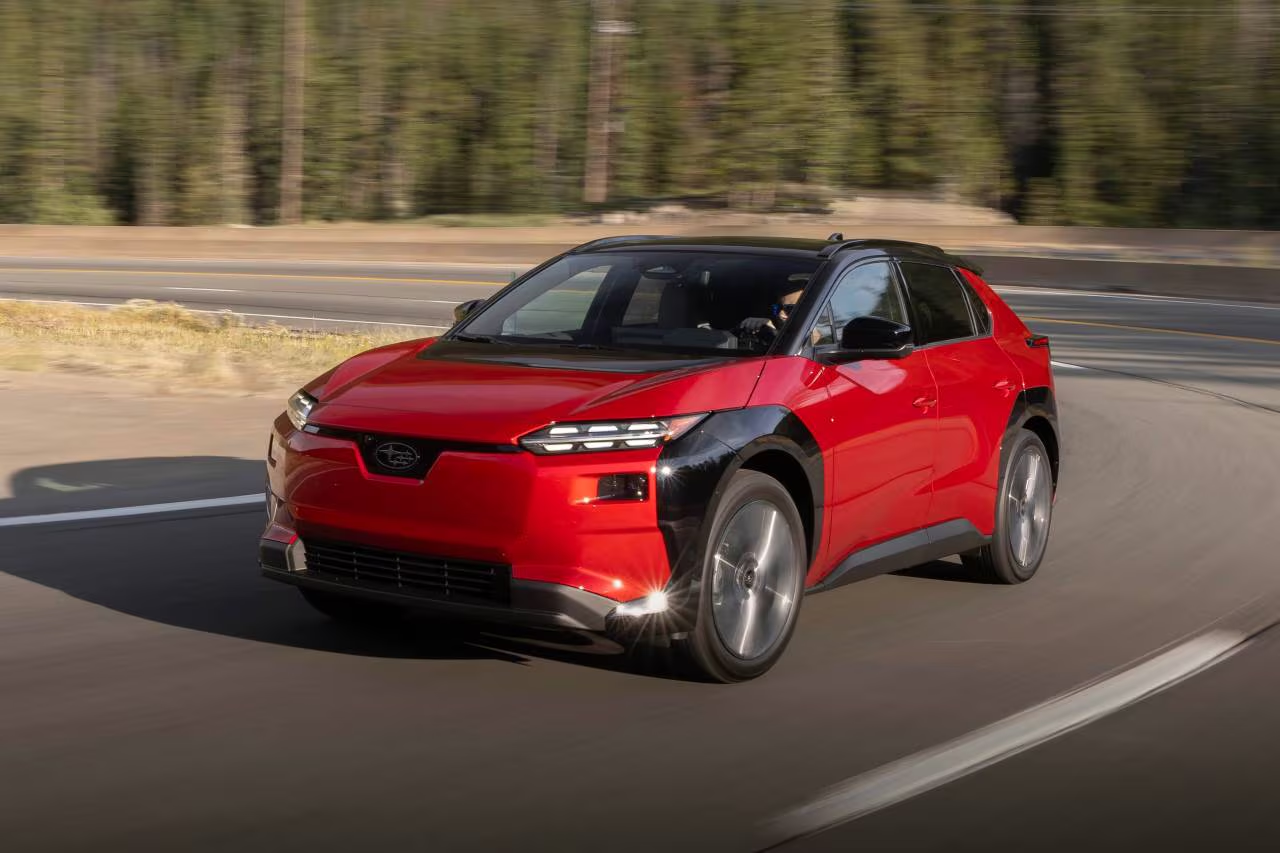
- Price: $37,995
- Range: 278–288 miles
- Pros: All-wheel drive standard, great for varied weather
- Cons: Slightly slower acceleration, less cargo space than rivals
How to Choose the Right Affordable EV
When selecting a budget-friendly EV, consider these factors:
- Range: Think about daily driving and weekend trips.
- Charging: Home charging availability and fast-charging options.
- Space: Interior and cargo capacity for family or commuting needs.
- Incentives: Federal tax credits and state rebates can reduce costs.
- Reliability & Warranty: Battery warranty (8+ years) and brand support.
FAQs About Affordable Electric Cars in 2026
Q1: Which EVs qualify for the 2026 federal tax credit?
Models under $55,000 MSRP, assembled in the U.S., may qualify for up to $7,500 in credits. Many affordable EVs like the Bolt and Leaf meet these criteria.
Q2: Can I use an EV for long road trips?
Yes, but ranges vary. Vehicles like the Equinox EV (319 miles) or Tesla Model 3 (272 miles) are better suited for extended travel, while Kona or Fiat 500e are ideal for city driving.
Q3: How expensive is it to maintain an electric car?
EVs have lower maintenance costs: no oil changes, fewer moving parts, and minimal brake wear. Electricity costs are typically much lower than gas.
Q4: Is the Chevy Bolt too small for families?
For small families or urban use, it’s fine. For more space, consider an EUV like Equinox EV or Hyundai Ioniq 5.
Q5: Do all affordable EVs support fast charging?
Most do, but charging speed varies. Hyundai Ioniq 5 and Tesla Model 3 offer faster options than the Bolt or Fiat 500e.
Final Thoughts
The best electric cars in 2026 offer unprecedented affordability and practicality. From the budget-friendly Chevy Bolt EV to feature-rich options like the Hyundai Ioniq 5, buyers can now enjoy electric mobility without sacrificing range or style. By considering your driving habits, charging access, and family needs, you can find the EV that suits your lifestyle while benefiting from incentives and lower operating costs.