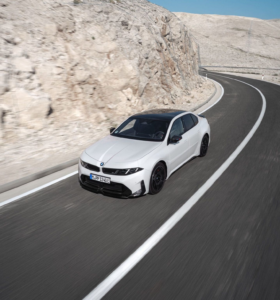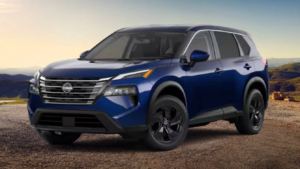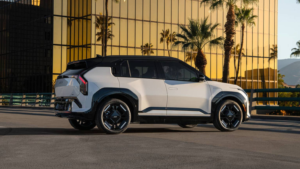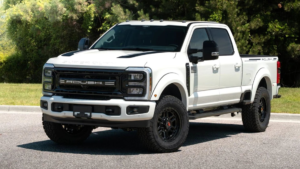

The best car buying guide for 2026 should do more than list vehicle types. It should help U.S. shoppers navigate high prices, compare financing options, understand hybrid value, and avoid common dealership mistakes.
In this guide, you’ll find the latest market context, practical buying strategies, and SEO-friendly answers to the questions shoppers are actually asking before they buy.
Why this matters in 2026
U.S. new-vehicle prices remain elevated, with Kelley Blue Book reporting a February 2026 average transaction price of $49,353, up 3.4% year over year. Incentives also rose, with the average package equal to 6.9% of ATP in February 2026, which supports a more negotiable market for informed buyers.
Demand is still strong, but consumer preference is shifting. A 2026 TransUnion-related report showed 50% of prospective buyers still preferred gas-powered vehicles, while 33% were leaning toward hybrids and 16% toward EVs.
2026 auto market snapshot
Buyers in 2026 are facing a market defined by high transaction prices, moderate incentives, and a stronger focus on value. The average new-vehicle transaction price is near $50,000, which pushes many shoppers toward lower-trim models, used vehicles, or fuel-efficient hybrids.
Hybrids are also gaining ground because they combine lower fuel costs with easier ownership than full EVs for many households. Recent market coverage shows hybrids are rising faster than EVs in consumer consideration, especially among buyers who want fuel savings without charging dependency. [web:1]
How to choose the right vehicle
The most important decision is not just what to buy, but what fits your budget over the full ownership cycle. That means looking beyond sticker price and comparing MSRP, incentives, financing, fuel economy, maintenance, depreciation, and auto insurance.
- New cars: best for shoppers who want the latest tech, full warranty coverage, and predictable maintenance early on.
- Used cars: best for buyers who want a lower purchase price and smaller depreciation hit.
- Certified pre-owned: best for shoppers who want a middle ground with warranty protection and lower risk.
- Hybrids: best for drivers who want strong fuel economy without relying on charging infrastructure.
New vs. used vs. certified pre-owned
A stronger car buying guide should show the tradeoffs clearly. New vehicles cost more but usually bring better warranty coverage, the latest safety technology, and fewer maintenance surprises in the first few years.
Used cars can deliver much better value, especially when they are two to three years old and have already absorbed the steepest depreciation. Certified pre-owned vehicles are often the safest compromise because they reduce risk while still avoiding the highest price tier.
| Option | Main advantage | Main drawback | Best for |
|---|---|---|---|
| New | Latest features and warranty coverage | Highest price and faster depreciation | Shoppers prioritizing technology and peace of mind |
| Used | Lower purchase price and slower depreciation | More maintenance uncertainty | Budget-focused buyers |
| Certified pre-owned | Lower risk than used, cheaper than new | Less selection than regular used inventory | Value seekers who want warranty support |
Financing and monthly payment pressure
Financing matters because a car payment can look affordable until interest and loan length are added. In a market where new vehicles are averaging $49,353, even a small rate difference can change the total cost by thousands over the life of the loan.
Buyers should compare APR, loan term, down payment, and trade-in value before talking numbers at the dealership. Pre-approval from a bank, credit union, or online lender gives you a benchmark and prevents the dealership from steering you into a worse financing offer.
- Check your credit score before shopping.
- Get pre-approved by at least two lenders.
- Compare the total cost of the loan, not just the monthly payment.
- Avoid stretching a loan term longer than necessary.
- Watch for add-ons that inflate the final price.
Hybrids and fuel savings
Hybrids deserve a bigger role in any modern car buying guide because they can reduce fuel costs without adding charging complexity. One 2026 hybrid-buying analysis noted that some models, such as the Hyundai Santa Fe hybrid, can deliver meaningful annual fuel savings relative to their gas-only versions.
That matters for families, commuters, and drivers who keep vehicles for many years. If the hybrid price premium is modest, the payback period can be short enough to justify the upgrade, especially for high-mileage drivers.
- Pros: better fuel economy, lower dependency on public charging, strong everyday practicality.
- Cons: higher upfront price on some models, model availability can vary, and not every hybrid recoups its premium quickly.
Insurance costs by SUV type
Insurance is one of the most overlooked parts of low-cost car ownership, and it should be part of any car buying guide aimed at practical savings. If you are shopping for a family vehicle, it can make sense to compare the total insurance burden before signing a contract.
Recent insurance coverage shows that the Honda CR-V and HR-V average around $161 per month for full coverage, making them among the cheapest SUVs to insure in 2026.
Other frequently cited low-insurance SUVs include the Subaru Forester, Ford Escape, and Mazda CX-5, which are often discussed as affordable SUV insurance options because of safety, reliability, and mainstream repair costs.
| SUV example | Why shoppers like it | Insurance angle |
|---|---|---|
| Honda CR-V | Strong practicality and broad appeal | Frequently ranks among the cheapest SUVs to insure [web:17] |
| Subaru Forester | Family-friendly and safety-focused | Often cited among the safest SUVs with lowest insurance rates [web:15][web:11] |
| Ford Escape | Popular compact crossover | Commonly appears on low insurance SUVs lists [web:15][web:11] |
| Mazda CX-5 | Upscale feel with mainstream pricing | Frequently appears in SUV insurance comparison discussions [web:15] |
Best deals to watch
Incentives remain one of the fastest ways to reduce the purchase price in 2026. Recent market reporting shows stronger incentives overall, especially in luxury segments, compact SUVs, and some EV categories.
The smartest shoppers compare offers across brands, trims, and regions instead of focusing on one advertised discount. A deal is only valuable if it improves the total ownership cost after financing, insurance, fuel, and depreciation are considered.
- Watch for low APR financing on select brands and trims.
- Compare cash rebates against special financing offers.
- Ask whether discounts apply to the exact trim and drivetrain you want.
- Confirm whether incentives are regional or national.
Negotiation strategy
The strongest negotiation strategy is preparation. Know the vehicle’s invoice range, current incentives, local inventory situation, and your financing ceiling before you enter the showroom.
- Get pre-approved before visiting the dealership.
- Compare at least three local offers on the same trim.
- Separate the vehicle price from financing and trade-in discussions.
- Refuse unnecessary add-ons unless they genuinely add value.
- Be willing to walk away if the numbers do not work.
A buyer who stays calm and focuses on the total out-the-door cost usually has more leverage than someone negotiating only the monthly payment.
Best vehicles for common buyers
Different shoppers need different solutions, and that is where a smarter car buying guide can outperform generic advice. The best choice depends on household size, commuting distance, expected ownership period, and whether low insurance or low fuel use matters more.
- Families: hybrid SUVs and roomy crossovers with strong safety ratings.
- Commuters: hybrids and compact vehicles with strong mpg and manageable insurance.
- Luxury buyers: vehicles with promotional APR and high residual value.
- Budget shoppers: lightly used models, especially certified pre-owned vehicles.
FAQ
Is 2026 a good year to buy a car?
Yes, especially for prepared shoppers. Prices are still elevated, but incentives are available and buyers have more room to compare offers than during the most supply-constrained years.
What is the average price of a new car in 2026?
Recent Kelley Blue Book reporting puts the average new-vehicle transaction price at $49,353.
Are hybrids better than EVs for most buyers?
For many shoppers, hybrids are the easier compromise because they offer fuel savings without charging dependence, and consumer interest in hybrids remains strong in 2026.
What are the cheapest SUVs to insure?
The Honda CR-V and HR-V are frequently cited among the cheapest SUVs to insure, and the Subaru Forester, Ford Escape, and Mazda CX-5 are also common low-cost SUV ownership choices.
How can I save money when buying a car?
Compare financing offers, negotiate the out-the-door price, avoid unnecessary add-ons, compare trade-in values, and consider a used or certified pre-owned vehicle if your budget is tight.
What is the best time to buy a car?
The best time is usually when inventory is strong, incentives are active, and you are pre-approved before entering the dealership, because those conditions give buyers more leverage.
Final recommendation
The smartest car buying guide for 2026 is one that treats price, financing, fuel economy, and insurance as one decision instead of four separate ones. Buyers who compare all four usually get better long-term value than shoppers who focus only on the sticker price.
If you want the best shot at saving money, compare at least one new vehicle, one used vehicle, and one hybrid before buying, then negotiate from a pre-approved position with a clear out-the-door target.
“`