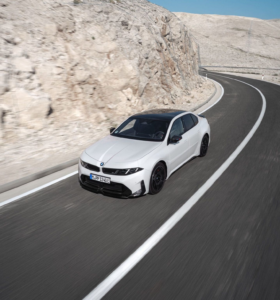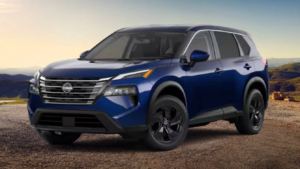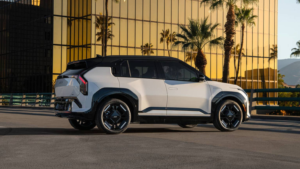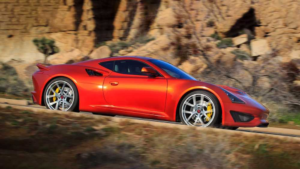

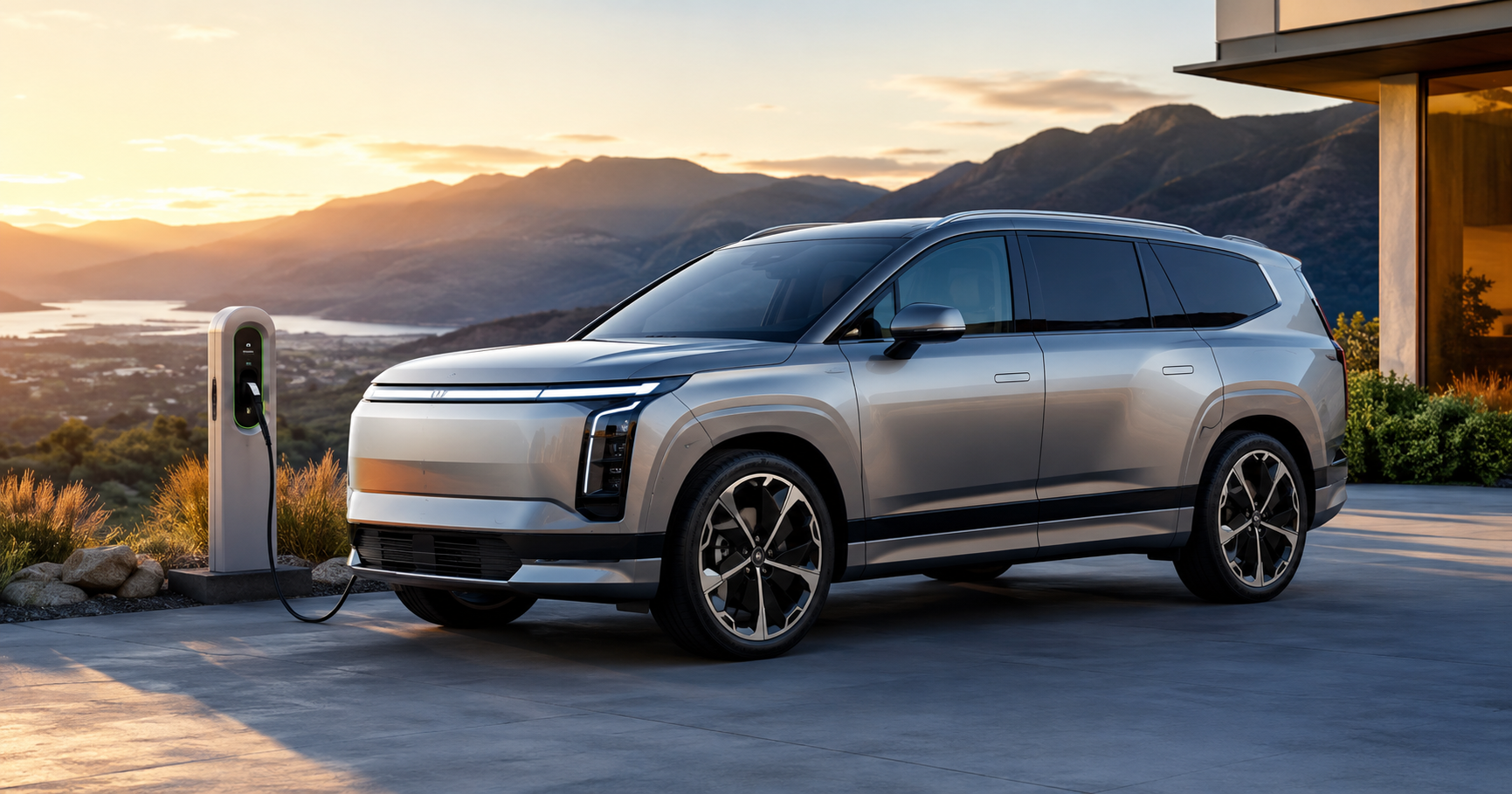
Short answer: No. As of 2026, there are no true 3 Row Full Size Electric Sedans available in the U.S. market. While thousands of shoppers search for this vehicle category every month, automakers simply do not build one. Instead, buyers looking for a spacious three-row electric vehicle are choosing electric SUVs, which provide the passenger room, cargo capacity, and battery packaging that modern EV technology requires.
If you’ve been searching for 3 Row Full Size Electric Sedans, you’re certainly not alone. Many shoppers love the smooth ride, lower driving position, and sleek styling of a luxury sedan while also wanting enough seating for six or seven passengers. Unfortunately, today’s engineering realities make that combination nearly impossible.
The good news is that today’s best three-row electric SUVs offer many of the same benefits buyers expect from premium sedans—including quiet cabins, impressive acceleration, advanced driver-assistance systems, and luxury interiors—while adding the practicality of a usable third row.
This guide explains why full-size electric sedans with three rows don’t exist, explores the engineering challenges behind the segment, and highlights the best electric alternatives available in 2026.
Quick Answer: Are There Any 3 Row Full Size Electric Sedans?
No.
There are currently no production full-size electric sedans with three rows sold in the United States.
Instead, if you need seating for six or seven people, you’ll be shopping almost exclusively among:
- Three-row electric SUVs
- Large electric crossover SUVs
- Premium luxury electric SUVs
This isn’t because manufacturers overlooked an opportunity. Rather, it’s the result of vehicle packaging, battery design, consumer demand, and market economics all pointing toward SUVs instead of sedans.
Why Do So Many People Search for 3 Row Full Size Electric Sedans?
At first glance, the search term seems perfectly reasonable.
Many families already own full-size gasoline sedans and naturally assume an electric version with a third row should exist. Others simply prefer the lower seating position and elegant appearance of a sedan over the taller proportions of an SUV.
In reality, the search intent usually falls into one of several categories.
1. Families Want Sedan Comfort
Some drivers dislike SUVs entirely.
They appreciate:
- Better cornering
- Lower ride height
- More aerodynamic styling
- Easier highway driving
- Quieter cabins
Adding a third row appears to be the logical next step.
2. Luxury Buyers Expect More Space
Luxury shoppers often compare vehicles like the Mercedes-Benz EQS, Lucid Air, or Tesla Model S and wonder whether manufacturers offer a longer version capable of seating seven passengers.
The answer remains no.
Even the largest premium electric sedans comfortably accommodate only five adults.
3. Search Behavior Doesn’t Always Match Reality
Modern search engines record millions of searches that don’t necessarily correspond to actual products.
Examples include:
- Electric pickup convertibles
- Manual transmission EVs
- Hybrid Tesla models
- Three-row electric sedans
These searches reveal consumer interest rather than existing inventory.
Why Don’t 3 Row Full Size Electric Sedans Exist?
The answer comes down to engineering.
Building a comfortable third row inside a traditional sedan has always been difficult. Adding a large battery pack underneath the floor makes the challenge even greater.
The Battery Takes Up Valuable Space
Unlike gasoline vehicles, most electric vehicles store a massive battery beneath the passenger compartment.
This design provides several advantages:
- Lower center of gravity
- Better crash protection
- Improved handling
- Greater structural rigidity
- More balanced weight distribution
However, it also raises the cabin floor several inches.
That seemingly small change dramatically affects passenger comfort, especially in a third row where legroom is already limited.
Sedan Rooflines Create Another Problem
Sedans are intentionally designed with low, sweeping rooflines to improve aerodynamics.
While this helps maximize efficiency and extend driving range, it reduces headroom toward the rear of the vehicle.
A third-row passenger would experience:
- Limited headroom
- Restricted legroom
- Difficult entry and exit
- Poor seating posture
The result would be a seating position unsuitable for adults and uncomfortable even for children on longer trips.
Wheelbase Isn’t the Only Measurement That Matters
Some shoppers assume manufacturers could simply lengthen a sedan.
Unfortunately, vehicle packaging is far more complicated.
Engineers must balance:
- Crash safety
- Weight distribution
- Suspension geometry
- Battery placement
- Passenger comfort
- Cargo volume
Extending the wheelbase alone doesn’t solve the packaging challenges created by an underfloor battery and a low roof.
Why Electric SUVs Succeeded Instead
Rather than forcing three rows into a sedan, automakers recognized that SUVs naturally solve many of these problems.
The taller body allows engineers to package batteries underneath the floor while still providing generous passenger space.
This explains why nearly every manufacturer developing family-focused EVs has invested in three-row SUVs instead of sedans.
Higher Roof, Better Third Row
An SUV’s upright profile provides:
- More headroom
- More knee room
- Easier access
- Comfortable seating for adults
- Greater visibility
These benefits become even more important on road trips where passengers spend hours in the third row.
More Cargo Space
Families rarely need extra seats without also needing additional luggage capacity.
Three-row SUVs provide usable cargo space behind the third row, while a hypothetical three-row sedan would likely sacrifice nearly all trunk space.
That compromise would significantly reduce everyday practicality.
Consumer Demand Supports SUVs
Automakers invest billions of dollars into vehicle development.
Before launching a new model, manufacturers analyze market demand, production costs, profitability, and customer preferences.
Today’s market clearly favors SUVs.
Families overwhelmingly choose crossovers and SUVs because they combine:
- Higher seating positions
- Flexible interiors
- More cargo room
- Improved accessibility
- Better versatility for daily life
As a result, manufacturers have little incentive to develop a niche product like a three-row electric sedan when three-row SUVs satisfy the same buyers more effectively.
Would a 3 Row Full Size Electric Sedan Ever Make Sense?
From a consumer perspective, the idea is certainly appealing.
Imagine a vehicle that combines:
- The ride quality of a luxury sedan
- The whisper-quiet cabin of a premium EV
- Three rows of seating
- Exceptional driving range
- Sports-car handling
Unfortunately, today’s battery technology makes those goals difficult to achieve simultaneously.
Future advances in battery energy density, thinner battery packs, and next-generation vehicle platforms could eventually make such a vehicle possible. Solid-state batteries, for example, may reduce packaging constraints enough to open entirely new vehicle categories.
For now, however, the closest real-world alternative is the rapidly expanding segment of premium three-row electric SUVs, many of which deliver surprisingly sedan-like refinement while offering dramatically greater practicality.
What Should You Buy Instead?
If your search for 3 Row Full Size Electric Sedans brought you here, the smartest approach isn’t to keep waiting for a product that doesn’t exist.
Instead, focus on the newest generation of three-row electric SUVs. These vehicles combine spacious interiors, impressive driving range, fast-charging capability, advanced technology, and luxury features in a package designed specifically for families.
In the next section, we’ll compare the best options available in 2026—including the Kia EV9, Hyundai Ioniq 9, Lucid Gravity, Rivian R1S, Cadillac Vistiq, and Volvo EX90—to help you determine which model best matches your budget, lifestyle, and driving needs.
Best Alternatives to 3 Row Full Size Electric Sedans in 2026
Since true 3 Row Full Size Electric Sedans don’t exist, the next best option is a modern three-row electric SUV. Fortunately, 2026 offers more choices than ever before, ranging from value-focused family vehicles to ultra-luxury performance models.
Below are the best alternatives currently available for American buyers.
Comparison Table: Best 3-Row Electric Vehicles
| Model | Starting Price* | EPA Estimated Range | Best For | Highlights |
|---|---|---|---|---|
| Kia EV9 | $56,545 | 230–304 miles | Families & Value | Affordable, spacious, award-winning |
| Hyundai Ioniq 9 | $60,555 | Up to 335 miles | Long-distance driving | Large cabin, excellent efficiency |
| Lucid Gravity | Premium Pricing | Up to 450 miles | Luxury buyers | Class-leading range and performance |
| Rivian R1S | Premium Pricing | Varies by battery | Adventure families | Off-road capability and towing |
| Cadillac Vistiq | Luxury Pricing | About 300 miles | Luxury SUV shoppers | 615 hp and premium technology |
| Volvo EX90 | Luxury Pricing | Approximately 300+ miles | Safety-focused buyers | Scandinavian luxury and advanced safety |
*Prices are manufacturer starting MSRPs and may vary based on destination charges, options, and incentives.
Kia EV9: The Best Overall Choice for Most Families
If there is one vehicle that best replaces the idea of a 3 Row Full Size Electric Sedan, it is the Kia EV9.
The EV9 combines generous passenger space with pricing that remains accessible compared to most luxury competitors. It also delivers one of the most practical interiors in the EV market.
Why the EV9 Stands Out
- Seats up to seven passengers.
- EPA-estimated range of up to 304 miles.
- Starts around $56,545.
- Fast DC charging capability.
- Large cargo area even with the third row in use.
- Advanced driver-assistance technology.
For buyers who initially wanted a large electric sedan, the EV9 often becomes the logical replacement because it offers similar comfort with significantly greater practicality.
Hyundai Ioniq 9: Built for Long Road Trips
The Hyundai Ioniq 9 targets buyers who prioritize driving range without moving into ultra-luxury price territory.
With an estimated range of up to 335 miles, it provides excellent flexibility for interstate travel while maintaining generous interior dimensions.
Ideal Buyer
- Large families.
- Frequent travelers.
- EV owners upgrading from smaller crossovers.
- Drivers seeking premium technology without luxury-brand pricing.
Its modern cabin, flat floor, and spacious seating make it one of the strongest alternatives for shoppers who originally hoped to find a three-row electric sedan.
Lucid Gravity: The Luxury Benchmark
Luxury shoppers who were considering premium electric sedans like the Lucid Air may find the Lucid Gravity even more compelling.
Rather than sacrificing performance for practicality, Lucid engineered an SUV capable of delivering sports-sedan driving dynamics while accommodating an entire family.
Highlights
- Up to 450 miles of estimated range.
- Exceptional acceleration.
- Luxury-focused interior.
- Advanced software ecosystem.
- Large third-row seating area.
Its combination of long range, premium refinement, and strong performance makes it one of the most exciting electric SUVs introduced in recent years.
Rivian R1S: Adventure Meets Everyday Practicality
Not every family spends weekends in suburban parking lots.
Some buyers need an EV capable of hauling camping gear, towing trailers, or exploring unpaved roads.
The Rivian R1S fills that role exceptionally well.
Best For
- Outdoor enthusiasts.
- Families who tow.
- Drivers living in snowy climates.
- Weekend adventures.
Its combination of rugged capability and premium interior quality makes it one of the most versatile electric SUVs currently available.
Cadillac Vistiq: American Luxury Goes Electric
The Cadillac Vistiq represents General Motors’ latest push into premium electric SUVs.
With approximately 615 horsepower and an estimated 300-mile driving range, it offers impressive performance alongside upscale styling and technology.
Buyers who appreciate American luxury brands but need three rows will likely find the Vistiq far more practical than waiting for a nonexistent electric sedan.
Volvo EX90: Safety Comes First
Volvo has built its reputation on safety for decades, and the EX90 continues that tradition.
The three-row electric SUV combines advanced driver-assistance systems, Scandinavian interior design, and a comfortable cabin suitable for growing families.
For parents placing safety above outright performance, it remains one of the strongest contenders in the segment.
Pros and Cons of Choosing a 3-Row Electric SUV Instead of a Sedan
| Advantages | Disadvantages |
|---|---|
| Usable third-row seating | Taller driving position |
| Greater cargo capacity | More aerodynamic drag |
| Easier passenger entry | Larger exterior dimensions |
| Better family practicality | Usually higher purchase price |
| Wider model selection | Slightly less agile handling |
Could a Three-Row Electric Sedan Eventually Arrive?
Never say never.
Automotive technology continues evolving rapidly, particularly in battery chemistry and vehicle architecture.
Several emerging technologies could eventually make a true three-row electric sedan possible:
- Solid-state batteries.
- Ultra-thin battery packs.
- Lightweight structural materials.
- New modular EV platforms.
- Improved energy density.
Even so, manufacturers will likely continue prioritizing SUVs as long as consumer demand remains concentrated in that segment.
Buying Tips Before Choosing a Three-Row Electric Vehicle
- Determine whether your third row will be used daily or only occasionally.
- Compare real-world range instead of relying solely on EPA estimates.
- Check charging speed for long-distance travel.
- Measure cargo space with every seating configuration.
- Research local charging infrastructure.
- Consider available tax incentives and regional rebates.
- Take every family member on the test drive to evaluate third-row comfort.
Final Verdict
If you searched for 3 Row Full Size Electric Sedans, you were asking a perfectly reasonable question—but the current market has a different answer.
There simply isn’t a production electric sedan that combines full-size dimensions with three rows of seating.
Instead, automakers have focused their engineering efforts on electric SUVs, where battery packaging, passenger comfort, and cargo flexibility work together far more effectively.
Fortunately, that’s good news for shoppers. Today’s three-row electric SUVs deliver quiet cabins, strong acceleration, advanced technology, impressive driving range, and premium interiors while offering the practicality that large families need.
For most buyers, the Kia EV9 represents the best overall value. Those seeking additional range should consider the Hyundai Ioniq 9, while luxury shoppers will appreciate the Lucid Gravity, Cadillac Vistiq, or Volvo EX90. Adventure-oriented families will find the Rivian R1S particularly compelling.
Until battery technology fundamentally changes vehicle design, three-row electric SUVs—not sedans—will remain the smartest choice for buyers needing space, efficiency, and everyday usability.
Frequently Asked Questions
Do any 3 Row Full Size Electric Sedans exist?
No. There are currently no production full-size electric sedans with three rows available in the United States.
Why can’t electric sedans have a third row?
The combination of a low roofline and a large underfloor battery leaves insufficient room for a comfortable third row while maintaining safety and cargo space.
What is the closest alternative?
A three-row electric SUV such as the Kia EV9, Hyundai Ioniq 9, Lucid Gravity, Rivian R1S, Cadillac Vistiq, or Volvo EX90.
Which three-row EV has the longest range?
The Lucid Gravity leads the segment with an estimated driving range of up to 450 miles, depending on configuration.
Which is the most affordable three-row electric vehicle?
The Kia EV9 is currently among the most affordable three-row electric SUVs, with a starting MSRP of approximately $56,545.
Will manufacturers eventually build a three-row electric sedan?
It’s possible in the future as battery technology evolves, but no manufacturer has announced a mainstream production model for the U.S. market as of 2026.