
Rising auto insurance costs are forcing many American drivers to rethink what they drive. In 2026, the average full-coverage premium in the United States now sits above $2,500 per year, making insurance one of the biggest ownership expenses for SUV buyers. That’s why more shoppers are searching for SUVs With Lowest Insurance Rates instead of focusing only on horsepower, luxury features, or aggressive styling.
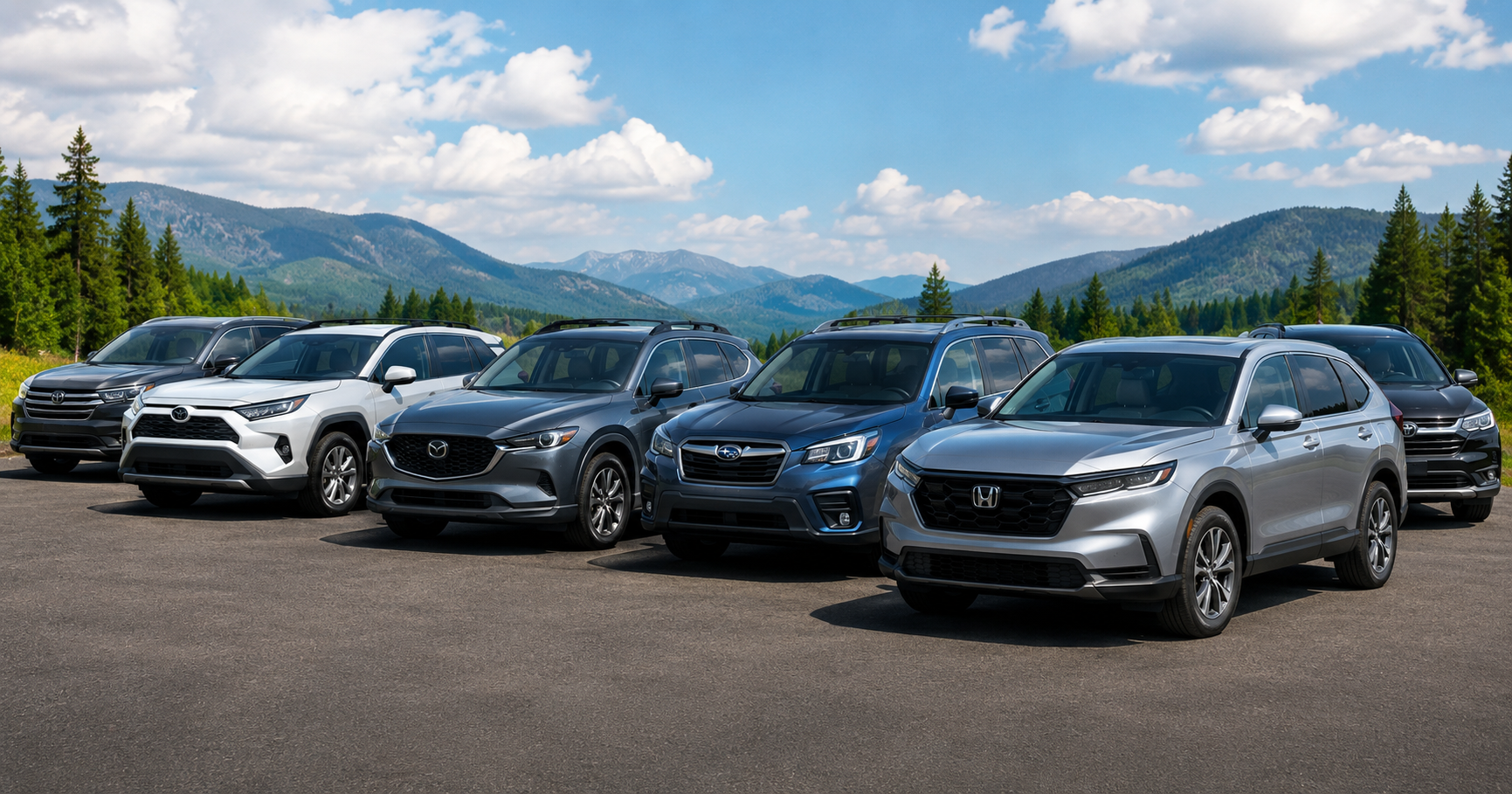
The good news is that several compact and family-oriented SUVs continue to stand out for affordability. Models like the Honda CR-V, Subaru Forester, and Mazda CX-5 combine strong safety scores, low repair costs, and excellent reliability records, helping drivers save hundreds annually on premiums.
Insurance companies now rely heavily on real-world accident data, advanced safety technology, theft statistics, and driver behavior when pricing policies. In many cases, choosing the right SUV can reduce insurance expenses by $400 to $700 per year compared to higher-risk models.
Why Some SUVs Cost Less to Insure in 2026
Insurance companies calculate premiums based on risk. SUVs that are involved in fewer severe accidents, cost less to repair, and are commonly driven by low-risk owners usually receive lower insurance rates.
Several factors help determine whether an SUV lands in the affordable category:
- Top crash-test ratings from IIHS and NHTSA
- Advanced driver-assistance systems
- Moderate engine performance
- Low theft rates
- Affordable replacement parts
- Strong reliability history
- High resale values
Compact SUVs now dominate low-cost insurance rankings because they balance safety, visibility, practicality, and fuel efficiency better than many sedans and trucks.
suv insurance rates – insurance rates for suvs
Average SUV insurance costs in 2026 remain slightly above the national average, but the gap has narrowed significantly. Modern compact SUVs now often match sedans for affordability because manufacturers have invested heavily in collision-avoidance systems and structural safety improvements.
Drivers shopping for low-cost coverage should pay close attention to:
- Vehicle safety ratings
- Repair severity statistics
- Hybrid vs gasoline powertrains
- Theft frequency in their ZIP code
- Usage-based insurance programs
Many insurers now use telematics programs that monitor braking, mileage, speed, and driving habits. Owners of safer compact SUVs can unlock additional discounts through these programs.
1. Honda CR-V

The Honda CR-V continues to rank among the SUVs With Lowest Insurance Rates in America. With annual premiums commonly ranging between $1,930 and $1,950, the CR-V delivers an outstanding balance of affordability, safety, and long-term ownership value.
Why Insurance Rates Stay Low
The CR-V earns consistently strong crash-test scores and has one of the most conservative driver profiles in the segment. Insurance companies view it as a low-risk family vehicle rather than a performance SUV.
Key Advantages
- Excellent fuel economy
- Strong resale value
- Reliable hybrid option
- Low repair frequency
- High safety ratings
Potential Drawbacks
- Base trims may lack premium features
- Infotainment system can feel dated compared to rivals
For families, commuters, and young professionals, the CR-V remains one of the smartest choices for lowering both fuel and insurance expenses.
2. Subaru Forester

The Subaru Forester consistently ranks near the top of low-insurance SUV lists. Some drivers report annual premiums as low as $1,600 depending on location and driving history.
Subaru’s reputation for safety plays a major role here. The Forester comes standard with all-wheel drive and advanced driver-assistance technology, which helps reduce accident claims.
What Makes It Affordable to Insure
- Excellent crashworthiness
- Strong visibility and road safety
- Lower accident severity
- Conservative ownership demographics
Pros
- Standard AWD
- Practical cabin space
- Strong long-term durability
Cons
- Slower acceleration than turbocharged rivals
- Fuel economy trails some hybrids
3. Subaru Outback
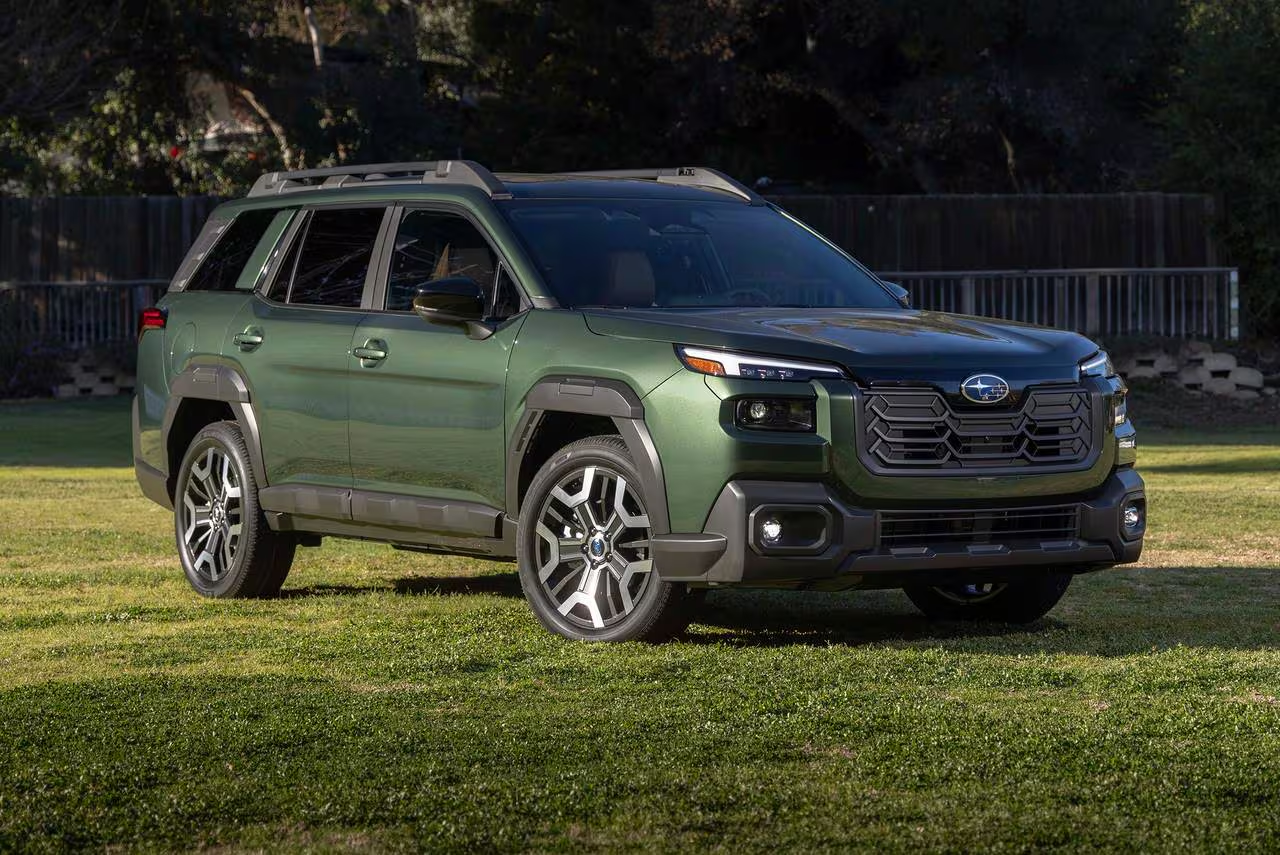
The Subaru Outback blurs the line between wagon and SUV, but its insurance costs remain impressively low for a utility-focused vehicle.
Drivers typically see annual premiums between $1,960 and $2,040, which is below the SUV segment average.
Why Drivers Choose the Outback
The Outback appeals to safe-driving households, outdoor enthusiasts, and families who prioritize practicality over aggressive performance. That profile helps insurers classify it as lower risk.
Strengths
- Excellent safety technology
- Comfortable highway driving
- Standard AWD
- Strong resale value
Weaknesses
- Higher starting price than some compact SUVs
- Not as sporty as competitors
4. Mazda CX-5

The Mazda CX-5 offers something rare in today’s SUV market: premium styling and engaging handling without expensive insurance costs.
Average full-coverage premiums hover around $1,947 annually, making it one of the best-value SUVs for drivers who want refinement without luxury-brand pricing.
Why Insurance Companies Like the CX-5
The CX-5 combines excellent safety ratings with relatively low claim severity. Its owners also tend to file fewer high-cost claims compared to drivers of performance-focused SUVs.
Highlights
- Upscale interior quality
- Responsive driving dynamics
- Excellent safety scores
- Affordable insurance costs
Limitations
- Smaller rear-seat space
- Less cargo capacity than CR-V or RAV4
5. Toyota RAV4
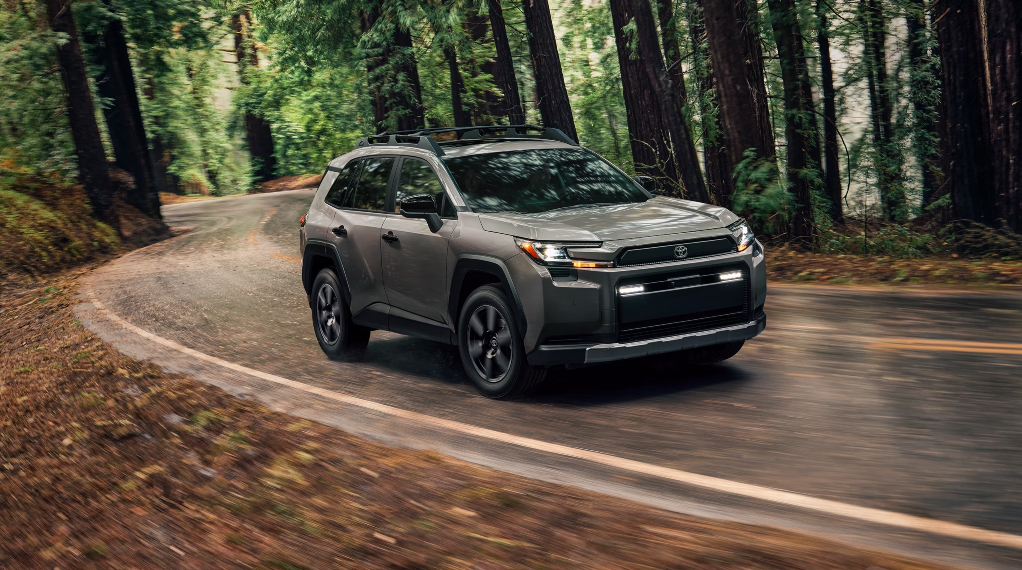
The Toyota RAV4 remains one of America’s best-selling SUVs, and its insurance affordability is a major reason why.
The hybrid version is especially attractive in 2026 because many insurers reward eco-friendly vehicles and lower annual mileage patterns associated with hybrid ownership.
Insurance-Friendly Features
- Excellent reliability record
- Strong safety technology
- Lower repair frequency
- Wide availability of replacement parts
Best For
Families looking for a balance between fuel savings, practicality, and manageable ownership costs.
Downsides
- Hybrid repairs can be expensive outside warranty
- Road noise remains higher than some rivals
6. Toyota Highlander

The Toyota Highlander proves that even larger family SUVs can remain affordable to insure.
Despite offering three-row seating, many Highlander trims still maintain insurance premiums close to smaller compact SUVs thanks to excellent crash ratings and conservative performance tuning.
Why It Performs Well on Insurance Costs
Insurance companies view the Highlander as a safe family vehicle rather than a high-risk SUV. Owners also tend to have strong driving records.
Benefits
- Three-row practicality
- Excellent reliability
- Strong resale value
- Advanced safety systems
Trade-Offs
- Higher purchase price
- Firm ride quality in some trims
7. Hyundai Tucson

The Hyundai Tucson has quietly become one of the best-value compact SUVs in the market. Insurance premiums often land several hundred dollars below the average SUV rate.
Its combination of warranty coverage, modern safety systems, and competitive pricing makes it attractive to cost-conscious buyers.
Why Insurance Costs Remain Competitive
- Good crash-test performance
- Reasonable repair costs
- Modern driver-assistance features
- Lower average claim severity
Pros
- Excellent warranty coverage
- User-friendly technology
- Comfortable interior
Cons
- Some advanced safety systems can be costly to repair
- Past engine recalls may concern some buyers
How to Lower SUV Insurance Costs Even More
Choosing one of the SUVs With Lowest Insurance Rates is only the first step. Drivers can reduce premiums even further by using smart insurance strategies.
Best Ways to Save
- Bundle home and auto insurance
- Increase deductibles if financially comfortable
- Enroll in safe-driving telematics programs
- Maintain strong credit where allowed
- Compare quotes from multiple insurers
- Avoid unnecessary performance packages
Location still matters heavily. A Honda CR-V in a low-claim suburban ZIP code may cost dramatically less to insure than the same vehicle in a dense urban area.
Are Hybrid SUVs Cheaper to Insure?
Hybrid SUVs are becoming more competitive in insurance pricing. While hybrid systems can cost more to repair, insurers increasingly reward the lower-risk behavior associated with hybrid ownership.
Vehicles like the Toyota RAV4 Hybrid and Honda CR-V Hybrid often qualify for lower fuel costs and potential insurance discounts through eco-friendly or low-mileage programs.
However, repair complexity can offset some savings after warranty periods expire.
Final Thoughts
In 2026, the smartest SUV purchase is no longer just about sticker price or fuel economy. Insurance costs have become a major part of total ownership expenses, especially as premiums continue rising nationwide.
Fortunately, models like the Honda CR-V, Subaru Forester, Mazda CX-5, Toyota RAV4, and Hyundai Tucson prove that drivers do not need to sacrifice practicality, comfort, or safety to save money.
For buyers focused on long-term affordability, choosing one of the best SUVs With Lowest Insurance Rates can lead to meaningful savings year after year.
Frequently Asked Questions
Which SUV has the cheapest insurance in 2026?
The Subaru Forester and Honda CR-V are among the cheapest SUVs to insure in 2026, with some drivers paying under $1,700 annually for full coverage depending on driving history and location.
Is a Honda CR-V cheaper to insure than a Toyota RAV4?
In many states, yes. The Honda CR-V often has slightly lower insurance premiums because of lower claim severity and repair costs.
Do hybrid SUVs lower insurance costs?
Sometimes. Hybrid SUVs can qualify for discounts and are often driven conservatively, but repair costs for hybrid systems may increase premiums in certain regions.
Why is the Subaru Forester so cheap to insure?
The Forester earns excellent safety ratings, has low theft rates, and is commonly owned by low-risk drivers, all of which help reduce insurance costs.
How much can drivers save by choosing a low-insurance SUV?
Many drivers can save between $400 and $700 annually by choosing low-risk SUVs instead of sporty or luxury-oriented alternatives.
Are small SUVs cheaper to insure than large SUVs?
Generally, yes. Compact SUVs usually cost less to repair and are involved in fewer expensive claims than larger performance SUVs.
Does full coverage change which SUV is cheapest to insure?
Yes. Some SUVs perform much better under full-coverage pricing because of lower collision and comprehensive claim costs.