
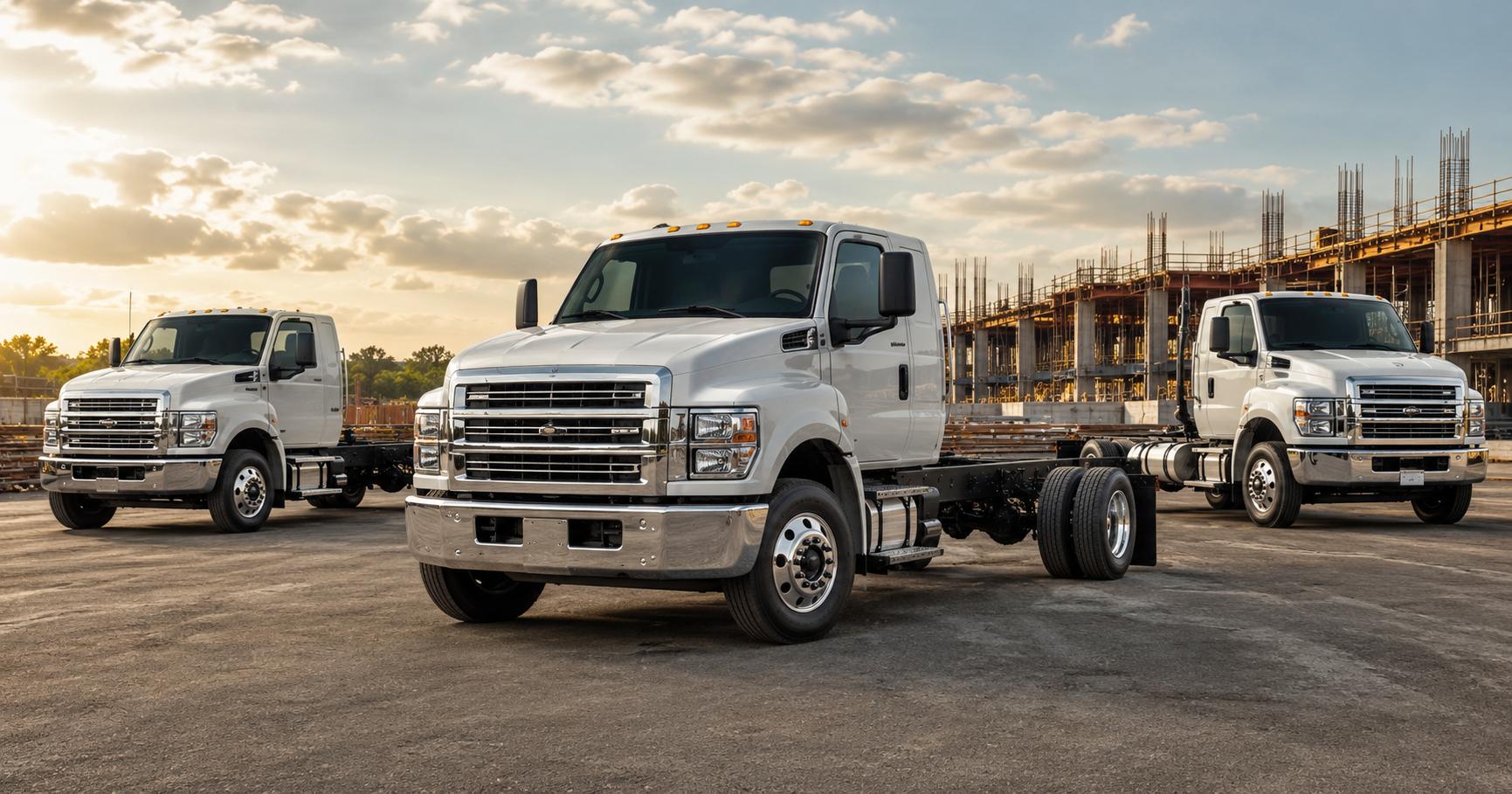
The Chevrolet Silverado medium-duty truck lineup is heading toward a major turning point. General Motors is reportedly ending production of the Silverado 4500 HD, 5500 HD, and 6500 HD chassis cab models by late 2026, closing the chapter on a commercial truck program that was designed specifically for fleet operators, municipalities, tow companies, and vocational upfitters.
Unlike the consumer-focused Silverado 2500 HD and 3500 HD pickups, these larger Class 4 through Class 6 trucks served as work platforms for demanding industries. Their discontinuation is not just another product cancellation. For many fleet buyers, it creates immediate questions about replacement planning, future support, resale value, and whether Chevrolet will eventually return to the medium-duty market.
Reports indicate production could officially end around September 30, 2026, as GM shifts focus toward more profitable and higher-volume truck categories.
Why Chevrolet Is Discontinuing the Silverado Medium-Duty Lineup
The Chevrolet Silverado 4500 HD, 5500 HD, and 6500 HD models were introduced in 2018 as part of GM’s return to the medium-duty commercial truck segment. The trucks were developed to compete against dominant players such as Ford’s F-Series Super Duty chassis cabs and International’s medium-duty offerings.
However, several industry reports suggest the business case for a next-generation Silverado MD program no longer made financial sense for GM.
Low Sales Volume Became a Major Problem
One of the biggest challenges facing the Chevrolet Silverado MD lineup was scale. While the trucks developed a loyal following among certain commercial operators, sales reportedly remained relatively small compared to competitors.
Industry reporting suggests Silverado MD sales reached roughly 8,341 units in 2025 before falling sharply in early 2026. In a segment where manufacturing costs, emissions compliance, and platform development expenses continue rising, low volume can quickly become difficult to justify.
For GM, the math appears straightforward: investing billions into a next-generation medium-duty platform may not deliver enough long-term return compared to focusing on higher-demand products.
The International Partnership Is Also Ending
Another important factor is the manufacturing arrangement behind the trucks themselves.
The Silverado 4500 HD, 5500 HD, and 6500 HD models were produced through a partnership connected to International Motors in Springfield, Ohio. Multiple reports suggest the partnership is ending entirely rather than temporarily pausing production.
That detail matters because the Silverado MD lineup was not built using the same strategy as Chevrolet’s consumer pickup trucks. Once the partnership ends, restarting production later would likely require a completely new business arrangement or platform investment.
What Trucks Are Actually Being Discontinued?
There is some confusion among consumers about what exactly is disappearing from the Chevrolet Silverado family.
The discontinuation only affects these medium-duty chassis cab models:
- Silverado 4500 HD
- Silverado 5500 HD
- Silverado 6500 HD
The standard heavy-duty pickup lineup remains intact, including:
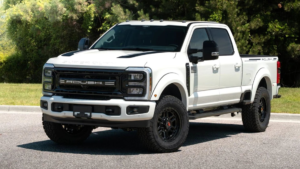
- Silverado 2500 HD
- Silverado 3500 HD
That distinction is critical because GM is not leaving the heavy-duty pickup market. Instead, the company appears to be exiting a lower-volume commercial niche that primarily served specialized fleet customers.
Why the Chevrolet Silverado MD Trucks Mattered to Fleets
For many businesses, these trucks were not lifestyle vehicles or recreational tow rigs. They were revenue-generating tools.
The Silverado MD lineup supported industries such as:
- Towing and recovery
- Construction
- Utility service fleets
- Municipal operations
- Landscaping companies
- Delivery services
- Dump truck operations
- Emergency service upfits
The chassis cab design allowed businesses to customize trucks for highly specific tasks. A utility company could install service bodies and cranes, while a towing operator could add heavy-duty recovery equipment.
That flexibility made the trucks valuable despite their relatively small sales numbers.
What the Shutdown Means for Fleet Operators
Fleet managers are likely to feel the biggest impact from the Chevrolet Silverado discontinuation.
1. Replacement Planning Gets More Complicated
Many fleets rely on standardized vehicle purchasing cycles. When a truck platform disappears, operators may suddenly need to:
- Change vendors
- Retrain technicians
- Stock different parts
- Adjust maintenance procedures
- Reconfigure upfit partnerships
For fleets running dozens or hundreds of medium-duty trucks, changing brands is not a simple overnight decision.
2. Remaining Inventory Could Become More Valuable
As production winds down, remaining Silverado MD inventory may attract increased attention from buyers who want to preserve fleet consistency for several more years.
Some dealers may offer aggressive pricing incentives to move final inventory. However, strong demand from fleet buyers could also tighten supply depending on region and configuration.
3. Upfitters May Shift Their Focus Elsewhere
Commercial truck upfitters often specialize in particular chassis platforms. Once production ends, some suppliers may gradually prioritize Ford, Freightliner, International, or Ram commercial platforms instead.
That shift could eventually affect:
- Body availability
- Customization lead times
- Specialized equipment support
- Long-term aftermarket development
What Current Owners Should Expect
For existing Silverado 4500 HD, 5500 HD, and 6500 HD owners, the trucks do not suddenly become unusable after production ends.
Commercial trucks often remain in service for decades, especially when properly maintained.
Still, owners should realistically prepare for several long-term changes.
Parts and Service Support
GM dealers will continue supporting these trucks for years, particularly because fleet customers depend heavily on service continuity.
However, over time:
- Certain parts may become harder to source
- Dealer familiarity could decline
- Specialized components may become more expensive
- Third-party support networks may shrink
Resale Value Questions
Resale outcomes could vary significantly depending on the truck’s application and condition.
Some vocational trucks maintain strong value because businesses still need functioning work platforms regardless of production status. Others may lose appeal if buyers worry about future support or limited parts availability.
For example, a well-maintained tow truck chassis with established service history could remain highly desirable, while niche configurations may become more difficult to sell later.
How Chevrolet’s Exit Changes the Medium-Duty Truck Market
The medium-duty truck market is already highly competitive and heavily dominated by established commercial brands.
Ford remains especially strong in the chassis cab segment, while International, Freightliner, and other commercial manufacturers maintain deep relationships with fleet customers.
GM’s departure narrows the number of factory-backed options available for buyers seeking Class 4 through Class 6 work trucks.
That could potentially strengthen competitors by:
- Reducing price competition
- Increasing market share concentration
- Pushing existing GM fleet customers toward rival brands
- Giving competitors additional leverage in fleet negotiations
Could Chevrolet Return to the Medium-Duty Segment Later?
Some industry observers believe GM could eventually re-enter the medium-duty market if commercial demand changes or electrification reshapes fleet economics.
At the moment, though, there is no confirmed replacement program.
That distinction is important because automakers occasionally leave segments temporarily before returning years later with entirely new platforms or technologies.
Still, current reporting consistently frames this move as a full discontinuation rather than a redesign pause.
Should Fleets Buy Remaining Silverado MD Inventory?
The answer depends heavily on operational priorities.
Buying Before Production Ends May Make Sense If:
- Your fleet already relies heavily on Chevrolet medium-duty trucks
- You want short-term fleet consistency
- You already have trained technicians and parts inventory
- You can secure favorable pricing on remaining stock
Switching Brands May Make More Sense If:
- You prioritize long-term factory support stability
- You are already evaluating alternative platforms
- You want future product continuity
- You are expanding fleet size aggressively over the next decade
Ultimately, this is less about whether the trucks are “good” or “bad” and more about long-term operational strategy.
The Bigger Picture Behind GM’s Decision
The Chevrolet Silverado medium-duty shutdown reflects a broader reality across the auto industry: manufacturers increasingly prioritize segments with stronger margins, larger sales volume, and clearer long-term growth potential.
Commercial medium-duty trucks require:
- High engineering investment
- Strict emissions compliance
- Expensive durability testing
- Complex fleet support networks
Without large-scale demand, maintaining that ecosystem becomes difficult.
For GM, continuing to compete in a specialized commercial segment may simply no longer align with broader corporate priorities.
FAQ
Is Chevrolet discontinuing all Silverado HD trucks?
No. The discontinuation only affects the Silverado 4500 HD, 5500 HD, and 6500 HD medium-duty chassis cab lineup. The Silverado 2500 HD and 3500 HD pickup models remain available.
When will Chevrolet stop producing the Silverado MD trucks?
Reports indicate production is expected to end around September 30, 2026.
Why is GM discontinuing the Chevrolet Silverado medium-duty lineup?
The main reason appears to be low sales volume and an insufficient business case for funding a next-generation replacement platform.
Will parts still be available after production ends?
Yes. Existing trucks should continue receiving parts and service support for years, although availability could gradually tighten over time.
Are Silverado 4500 HD and 6500 HD trucks still worth buying?
For some fleets, yes. Businesses that already operate Chevrolet medium-duty trucks may still benefit from maintaining fleet consistency, especially if remaining inventory becomes discounted.
Could Chevrolet bring back medium-duty trucks in the future?
It is possible, but there is currently no confirmed replacement or successor program.