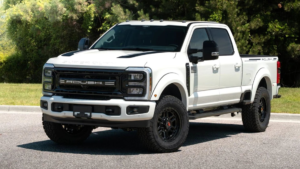

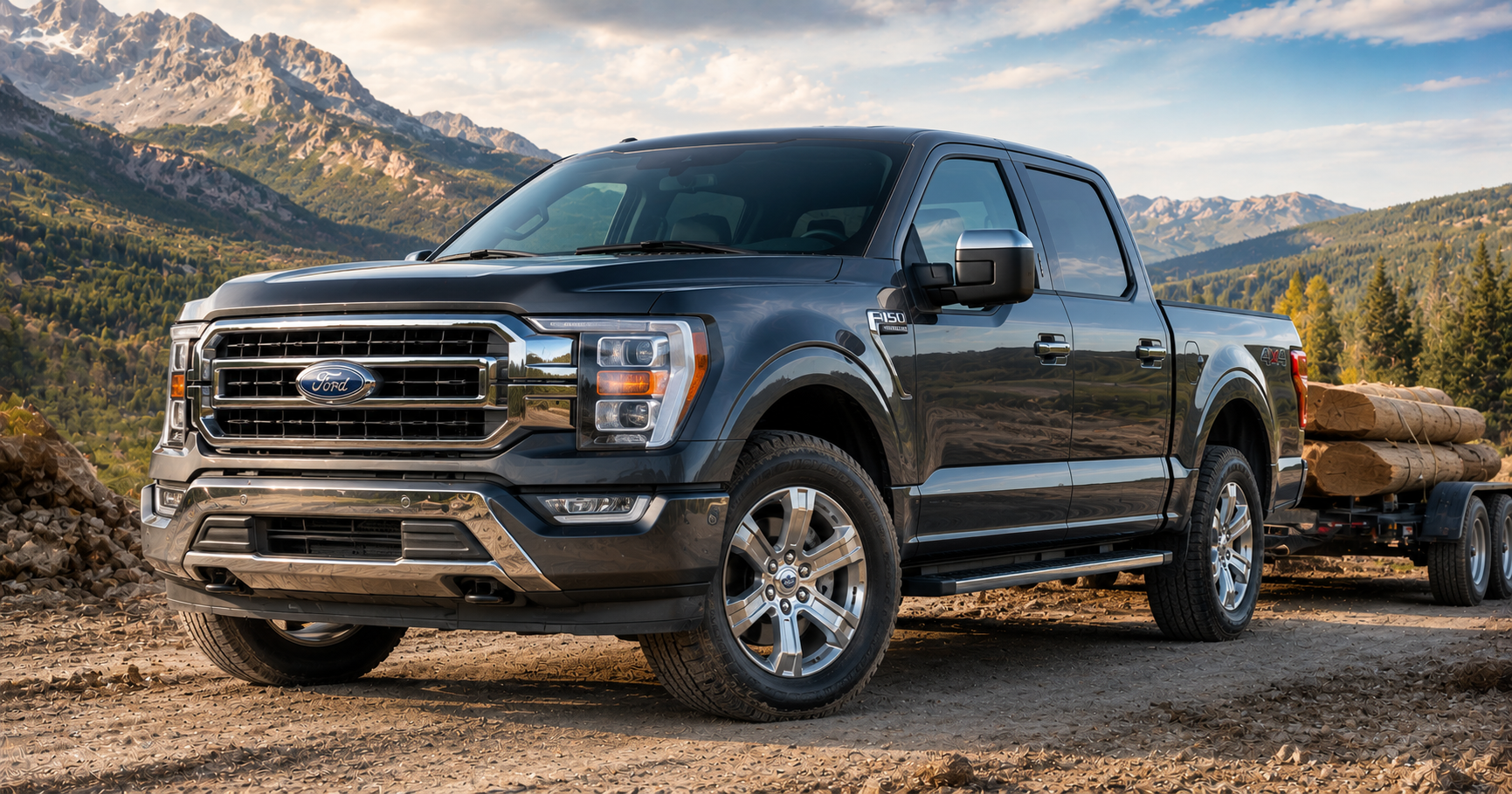
The Ford 3.0L Power Stroke diesel was introduced in the 2018 F-150 as a fuel-efficient option for drivers seeking diesel torque and strong highway economy without moving to a heavy-duty truck. Despite offering up to 30 mpg on the highway and 440 pound-feet of torque, the engine was discontinued after the 2021 model year as changing customer demand, new powertrain options, and reliability concerns reshaped the F-150 lineup.
Ford Ended the 3.0L Power Stroke After Four Model Years
Ford launched the 3.0-liter Power Stroke diesel in the 2018 F-150, positioning it as the lineup’s fuel-economy choice for buyers who regularly towed while seeking improved highway efficiency.
The engine remained available through the 2021 model year before being removed from the 2022 F-150 lineup. According to the article, Ford did not introduce a replacement, instead citing shifting customer preferences.
PowerBoost Hybrid Replaced the Diesel’s Role
When confirming the discontinuation in July 2021, a Ford representative told MotorTrend: “Our customers overwhelmingly order our EcoBoost V6 gasoline engines, which is why we are removing the diesel from our lineup. For customers who need maximum towing torque, we now offer the F-150 PowerBoost as the ideal combination of capability, power and fuel efficiency, which wasn’t available when Power Stroke was introduced.”
The article compares the two powertrains, noting that the PowerBoost hybrid produces 430 horsepower and 570 lb-ft of torque, with a maximum towing capacity of 12,700 pounds and a payload rating of 2,120 pounds.
By comparison, the 3.0L Power Stroke delivered 250 horsepower, 440 lb-ft of torque, a towing capacity of 12,100 pounds, and a maximum payload of 1,840 pounds. Fuel economy was rated at 22 mpg city and 27 mpg highway, while the PowerBoost hybrid was rated at 24 mpg in both city and highway driving.
Pricing and Equipment Reduced Its Appeal
According to the article, diesel fuel prices have remained higher than regular gasoline prices for nearly 20 years, reducing the financial advantage of the diesel engine despite its highway fuel economy.
By 2021, the Power Stroke carried a $500 higher price than the PowerBoost hybrid across the F-150 lineup. The diesel engine also could not be paired with the 36-gallon extended-range fuel tank and was unavailable with Ford’s Pro Power Onboard mobile generator system.
The article states that these factors made it difficult for the diesel model to compete with Ford’s own hybrid alternative.
Reliability Issues Added to the Challenges
The article identifies the Bosch CP4.2 high-pressure fuel pump as the engine’s most significant reliability concern. It states that the pump was not designed for 520-plus-micron diesel fuel available in the United States, leading to metal-to-metal contact that could send metal particles throughout the fuel system.
According to the article, repairing the resulting damage could require replacing the fuel pump, rails, injectors, valves, and fuel lines, with repair costs reaching approximately $10,000.
The engine was also reported to experience oil dilution during active regeneration cycles, allowing fuel to mix with engine oil. The article says this reduced oil viscosity and accelerated engine wear, making oil changes every 5,000 miles advisable instead of the factory-recommended 10,000-mile interval.
Additional concerns included recurring diesel particulate filter (DPF) clogging and exhaust gas recirculation (EGR) cooler failures, particularly for vehicles driven on short trips.
Competition Increased the Pressure
According to the article, the 3.0L Power Stroke also faced strong competition outside Ford’s lineup. Chevrolet introduced its 3.0-liter Duramax diesel in 2019 with 277 horsepower, 460 lb-ft of torque, and a highway fuel economy rating of 33 mpg.
With lower customer demand, stronger in-house alternatives, pricing disadvantages, and ongoing reliability concerns, the Ford 3.0L Power Stroke’s four-year run in the F-150 came to an end after the 2021 model year.