
The National Highway Traffic Safety Administration (NHTSA) has denied a petition seeking an investigation into Tesla Model 3 emergency door handles, but the agency said it will move forward with developing new rules aimed at ensuring vehicle door exit systems are more obvious and reliable during emergencies.
NHTSA Rejects Tesla Model 3 Door Handle Investigation
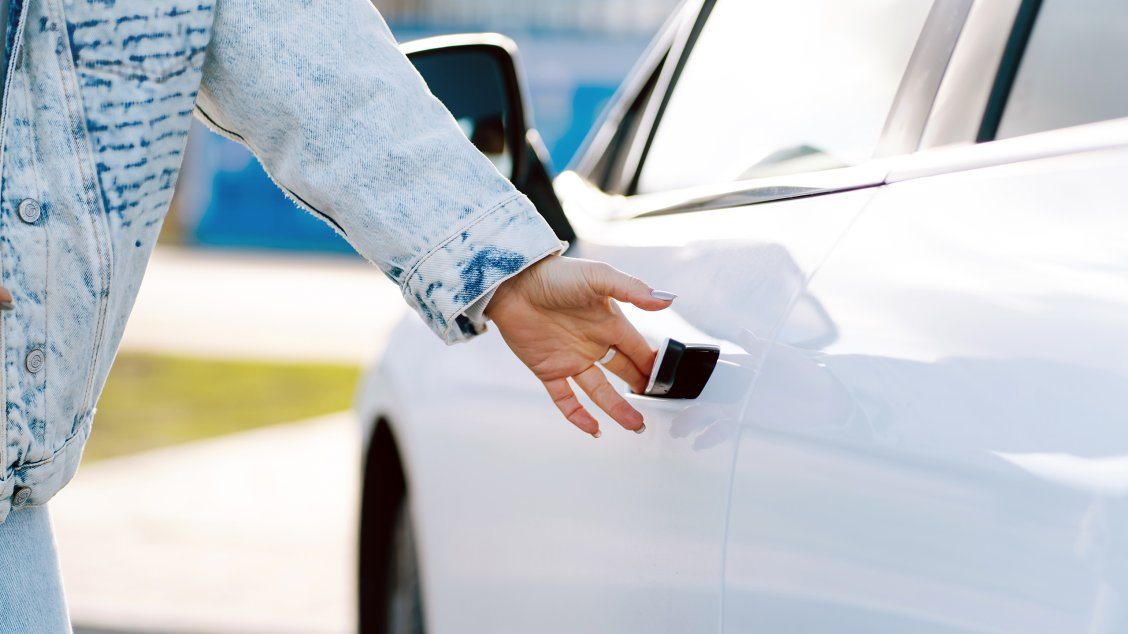
On Friday, NHTSA denied a petition requesting an investigation into the Tesla Model 3’s emergency door handles over concerns that they can be difficult to locate during a crash.
The agency determined that Tesla’s system was not defective because it operates as designed. However, NHTSA said the broader issue should be addressed through a new rulemaking process focused on emergency vehicle exits.
In its decision, NHTSA said it intends to create new regulations that would “mandate a robust and obvious door egress system in all motor vehicles.”
New Vehicle Exit Rules Could Take Years
The development of new regulations is expected to take time. One expert who spoke with Bloomberg estimated that the rules may not become part of a new Federal Motor Vehicle Safety Standard until 2030 at the earliest.
Despite the long timeline, the move represents an effort to establish broader requirements for emergency door systems across the automotive industry rather than focusing on a single manufacturer.
Hidden Mechanical Releases Raise Safety Concerns
In recent years, some passengers have found themselves trapped in crashed or burning vehicles because electronic door handles failed and mechanical emergency releases were difficult to find.
The problem can become more challenging because many backup handles are located inside vehicles, making it harder for first responders to access them from outside.
Rivian’s Emergency Handle Design Highlights the Issue
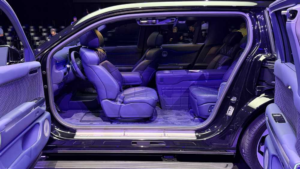
Rivian’s newer R1S and R1T models provide one example of the challenges surrounding emergency door releases. For a rear-seat passenger to reach the emergency handles, they must first remove a plastic panel that covers a pull cord.
Rivian was reportedly aware of potential concerns with that design decision, as the company chose not to hide the secondary handles in the same way on the newer, smaller R2. However, the R1 series continues to use the existing setup, and there is currently no requirement forcing a change.
NHTSA Says Rulemaking Is the Right Path Forward
NHTSA said the Tesla-specific petition did not indicate a safety-related defect that would justify a defect investigation. Instead, the agency said the issue would be better addressed through updated safety standards.
“NHTSA does not believe that the issues presented by the Petitioner indicate the likelihood of a safety related defect that would warrant a defect investigation, and the issue is best addressed through the rulemaking process,” the department’s docket filed Friday stated.
The agency’s upcoming rulemaking process will focus on establishing clearer requirements for emergency door exit systems in all motor vehicles.