

Ferrari has revealed another one-off creation following the HC25, combining futuristic styling with the unmistakable design language of Maranello. Called the CZ26, the bespoke supercar was commissioned by an anonymous U.S.-based collector and is built on the bones of the SF90 Stradale, the predecessor to today’s 849 Testarossa.
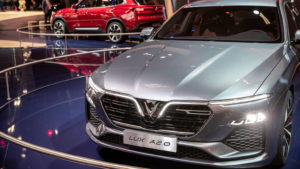
While its design appears influenced by the controversial Luce EV, the CZ26 remains distinctly Ferrari. Beneath its unique bodywork is a 4.0-liter twin-turbo V8 plug-in hybrid powertrain producing 1,017 horsepower and 593 lb-ft of torque. The setup is the same as the hardcore SF90 XX that arrived between the SF90 and Testarossa.
Ferrari estimates that the CZ26 can accelerate from 0 to 62 mph in 2.5 seconds, reach 124 mph in 6.7 seconds and achieve a top speed of 204 mph. But outright performance is not the primary attraction. The main draw is its highly distinctive design.
Ferrari CZ26 Combines Futuristic Design With Flowing Lines
The CZ26 was created by the Ferrari Design Studio as part of the automaker’s Special Projects program under the supervision of Flavio Manzoni. The result is a clean, heavily sculpted design that introduces unusual shapes while retaining clear Ferrari influences.
At the front, ultra-slim LED lighting sits within a full-width black mask, creating a visual connection with the Luce and other recent Ferrari models such as the 12Cilindri. Strakes in the hood help evacuate air from the front section and improve downforce.
Red detailing behind the hood initially appears unusual, but the color is repeated around the side intakes and brake calipers. Two red uprights beneath the upper fascia emphasize the gap between the hood line and splitter, while concealed intakes and sensors help maintain the car’s smooth appearance.
In profile, the CZ26 becomes even more distinctive. A pronounced bulge over the front wheel arches is outlined in black carbon fiber, creating a more dynamic shape behind the wheels. Recessed sections in the lower doors and side skirts add a more voluptuous appearance, while the glasshouse retains visual links to the SF90.
At the rear, muscular haunches flow toward a shortened tail featuring an integrated spoiler. Cantilevered taillights sit below it and resemble those of the 12Cilindri, although they were created specifically for the CZ26.
Dual titanium exhaust outlets echo the design of the SF90, while a new diffuser uses significantly more carbon fiber to reduce the visual mass of the rear. The Scuderia shield on the doors is paired with a tricolore flag, while bespoke wheels combine a gloss-black painted finish with a shot-peened polished surface created using microscopic beads.
The exterior is finished in an exclusive shade called Argento Veloce, with contrasting red accents in Rosso Lampante. The same color combination continues inside the cabin.
Ferrari CZ26 Interior Keeps the Cabin Simple and Technical
Inside, the CZ26 features a “technical” fabric along with 3D-printed seat inserts finished in Rosso Lampante. The seats carry embroidered CZ26 logos, while additional badges appear between the seats and across the carbon-fiber-rich dashboard.
Argento Veloce accents add contrast to the interior, creating a simple but distinctive cabin that complements the exterior design.
The one-off Ferrari was also comprehensively tested in the wind tunnel, giving its anonymous commissioning owner the ability to drive the car at its full potential.
Ferrari has not revealed how much the CZ26 cost, although the article suggests that the price was likely in the seven-figure range.
Ferrari’s Growing Number of One-Off Cars Raises Questions
The CZ26 follows the HC25 and the SC40, meaning Ferrari is now producing more than one Special Projects car in a year. That raises a question about whether the increasing number of bespoke creations could weaken the exclusivity that makes such cars special.
There was a gap in 2024, when no Special Projects car was revealed. Even so, the growing number of special supercars means standing out is becoming increasingly difficult.
The CZ26 attempts to solve that problem through a design that combines futuristic influences, aggressive aerodynamic details and unmistakable Ferrari character. Its performance is formidable, but its individuality is ultimately what sets this one-off apart.